Canadian Peptides in Manitoba, Canada Peptides Uses & Side Effects
What are Peptides?
Biologically, peptides are short chains of amino acids linked by peptide bonds. Unlike anabolic steroids, which often replace natural hormones with synthetic versions, peptides typically act as signaling molecules. They function like keys that unlock specific cellular processes, instructing the body to release its own growth hormone, repair tissue, or regulate insulin. Because they trigger endogenous (internal) production, they are often viewed as having a “milder” safety profile than traditional anabolics.
Primary Uses in the Canadian Market
In Manitoba, peptides are generally sought for three specific goals:
Injury Repair (BPC-157 & TB-500): Given the active outdoor lifestyles in the province, injury recovery is a top priority. BPC-157 is renowned for angiogenesis (forming new blood vessels), helping to accelerate the healing of tendonitis and ligaments. TB-500 is used to improve cell migration, reducing inflammation in damaged tissue.
Anti-Aging (Ipamorelin & CJC-1295): These “Growth Hormone Secretagogues” signal the pituitary gland to release pulses of the body’s natural HGH. Users report improved sleep, skin elasticity, and fat metabolism without the severity of synthetic HGH injections.
Weight Loss (Semaglutide): GLP-1 agonists mimic the “satiety hormone,” delaying digestion and curbing appetite. These have become a dominant force for rapid body composition changes.
Potential Side Effects
Water Retention: Certain GH peptides can elevate cortisol, leading to bloating.
Local Irritation: Redness or itching at the subcutaneous injection site is common.
Digestive Issues: GLP-1s are notorious for causing nausea and lethargy.
The Manitoba Context
For Manitobans, logistics are critical. Peptides are fragile chains that degrade in heat or agitation. Sourcing “Canadian Peptides” domestically ensures that products reach cities like Winnipeg quickly, maintaining their potency without sitting in international customs.
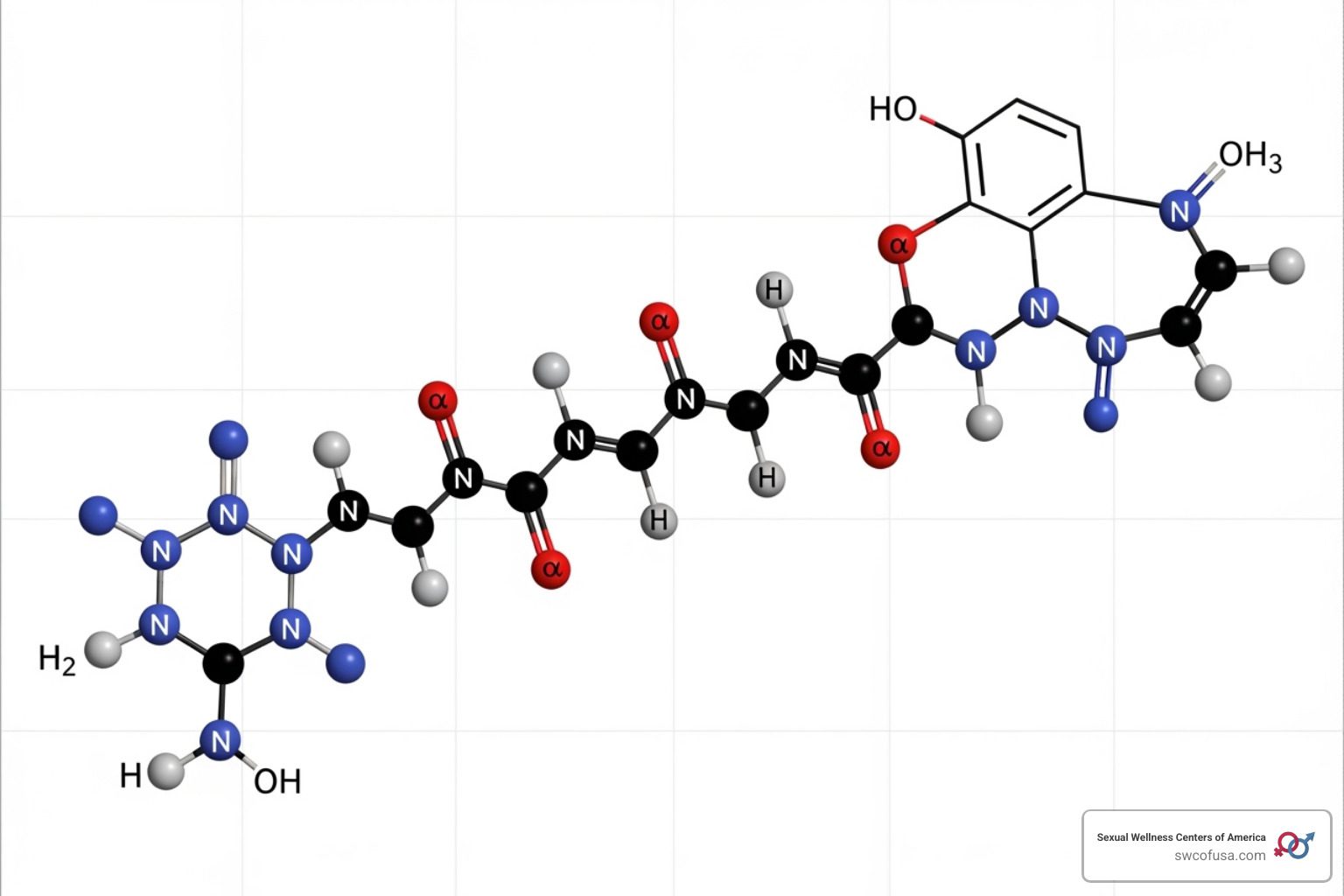
Molecular model of the pentadecapeptide BPC-157. Known for its regenerative signaling, this peptide is frequently researched for its ability to promote angiogenesis and accelerate the healing of ligaments and tendons.
What Is BPC-157?
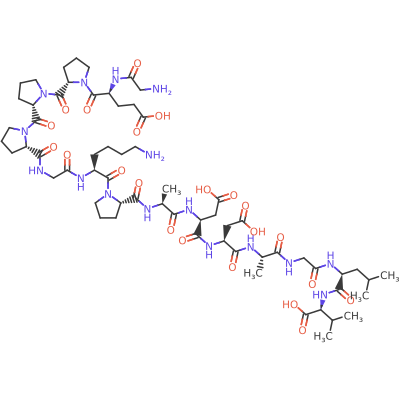
BPC-157, technically known as a pentadecapeptide, is a synthetic peptide chain consisting of 15 specific amino acids. Derived from a protective protein discovered in human gastric juice (Body Protection Compound), BPC-157 is distinguished by its unique ability to initiate systemic healing processes without interacting with androgen receptors or manipulating sex hormones.
This structural design allows BPC-157 to exhibit strong cytoprotective (cell-protecting) and angiogenic (blood vessel building) properties. Crucially, unlike anabolic steroids, BPC-157 does not rely on hypertrophy or nitrogen retention to function. Instead, it signals the upregulation of Vascular Endothelial Growth Factor (VEGF), promoting the formation of new capillaries. This unique characteristic accelerates the repair of avascular tissues—such as tendons and ligaments—which typically heal slowly due to poor blood supply. Additionally, it has a documented ability to protect and heal the epithelial lining of the gut, acting as a potent anti-inflammatory agent.
The chemical design of BPC-157 provides several functional characteristics in regenerative and clinical contexts, including:
Angiogenic Modulation: Stimulates the creation of new blood vessels (angiogenesis) to deliver nutrients to damaged tissue.
Non-Hormonal Mechanism: Operates independently of the HPTA (Hypothalamic-Pituitary-Testicular Axis), eliminating risks of suppression or estrogenic conversion.
Nitric Oxide Stimulation: Protects the endothelium and modulates blood flow to support rapid tissue repair.
Systemic Stability: Uniquely stable in gastric juice, allowing it to remain active whether injected or, in specific formulations, ingested orally.
Due to these characteristics, BPC-157 has historically been the subject of research for conditions such as inflammatory bowel disease (IBD), gastric ulcers, and complex soft tissue trauma. Unlike muscle-building agents that focus on fiber size, BPC-157 is designed to restore structural integrity to connective tissue and heal damage caused by inflammation or overuse.
While BPC-157 is widely regarded for its high safety profile relative to traditional performance enhancers, it remains a substance with complex regulatory status. It is often classified as a research chemical or prescription compound depending on the jurisdiction, and it is currently on the WADA Prohibited List. Unlike steroids, it does not carry hepatotoxicity risks, but user reports occasionally note mild side effects such as injection site irritation or nausea. Its usage is strictly monitored in professional sports to ensure fair play and safety.