

Canadian Oral Steroids in Newfoundland, Canada
Proudly Serving Canadians with Anabolics Throughout BNewfoundland, Canada

Fast Shipping

Discreet Delivery

Affordable Canadian Steroids
Find Anabolic Steroids Near You in British Columbia, Canada
Canadian Peptides in Newfoundland, Canada
Proudly Serving Canadians with Canadian Made Peptides Throughout Newfoundland, Canada
Fast Shipping
Discreet Delivery
Affordable Canadian Steroids
Canadian Anabolic Steroids in Newfoundland, Canada Anabolic Uses & Side Effects
Anabolic-androgenic steroids (AAS) are pharmaceutical-grade synthetic derivatives of the male hormone testosterone that have been used in medical and clinical settings to help address muscle-wasting conditions, severe anemia, and hormonal deficiencies. In Canada, including Montreal, anabolic steroids are classified as Schedule IV substances under the Controlled Drugs and Substances Act (CDSA), making them strictly regulated drugs that require a valid prescription from a licensed healthcare provider for legal possession and use.
When prescribed and monitored appropriately, anabolics are primarily used to promote protein synthesis and nitrogen retention, essential processes for repairing tissue and preserving lean muscle mass in patients with chronic illnesses. They are also widely utilized off-label in athletic and physique settings to significantly enhance muscle size, strength, and recovery rates. However, like all potent medications that influence the endocrine system, anabolic steroids carry potential benefits as well as serious possible side effects—such as cardiovascular strain, liver toxicity (hepatotoxicity), and natural testosterone suppression—that individuals should fully understand prior to use.
In 2026, increased emphasis on safe usage, harm reduction, and legal compliance in Montreal and across Canada remains especially important as health regulations and enforcement standards regarding performance-enhancing drugs continue to evolve. This guide explores what anabolic steroids are, their recognized medical and performance uses, potential side effects, and key considerations relevant to Montreal and Canada in 2026.
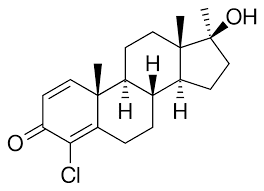
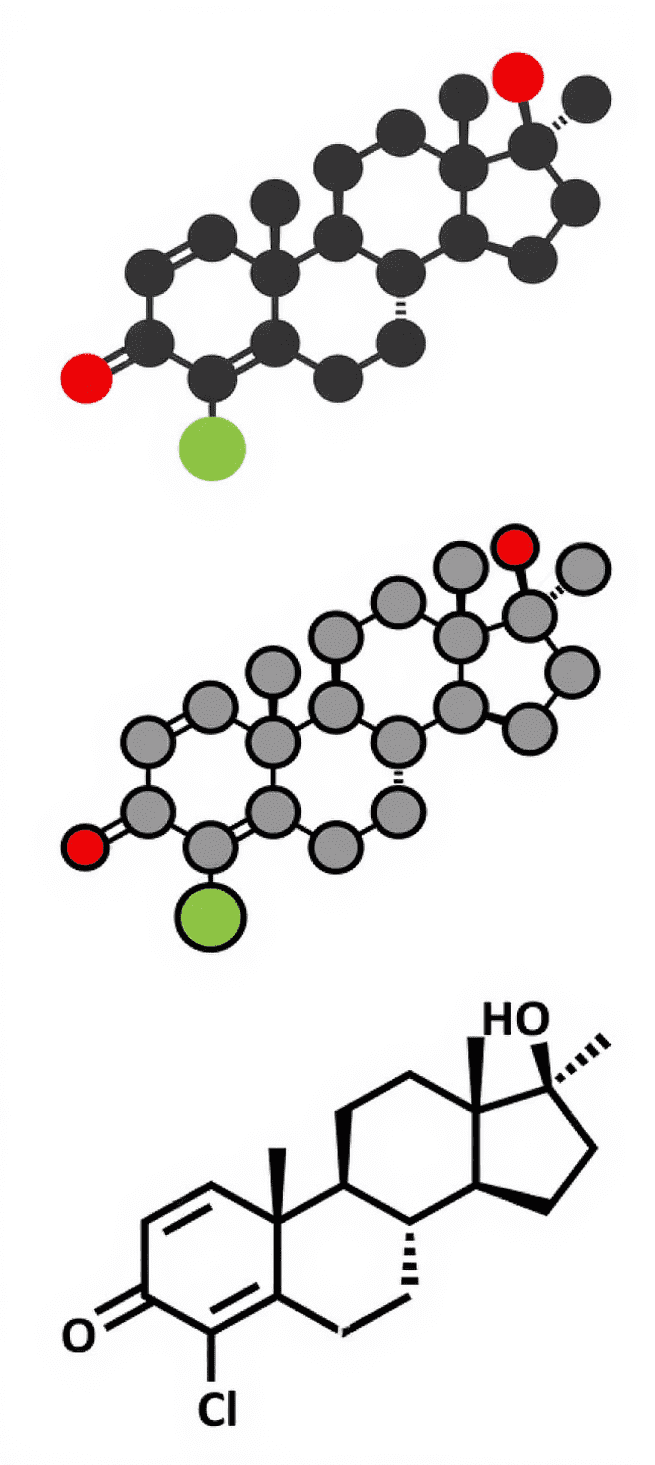
What Is Turinabol
Turinabol, chemically known as chlorodehydromethyltestosterone (CDMT), is a synthetic anabolic steroid derived from testosterone (specifically a derivative of methandrostenolone). Unlike direct testosterone replacements, Turinabol is distinguished by a specific chemical modification—a 4-chloro substitution at the carbon-4 position—which significantly alters its interaction with the enzyme aromatase and the body’s endocrine system.
This structural design allows Turinabol to exhibit distinct anabolic (muscle-building) properties while drastically reducing its androgenic (masculinizing) potential. Crucially, unlike its parent compound Dianabol, the 4-chloro alteration prevents the molecule from aromatizing (converting) into estrogen. This unique characteristic prevents water retention and estrogenic side effects, promoting a “dry,” athletic, and dense appearance in muscle tissue rather than the soft, fluid-filled look associated with other mass builders. Additionally, it has a strong binding affinity for Sex Hormone-Binding Globulin (SHBG), which enhances the availability of “free” testosterone circulating in the body.
The chemical design of Turinabol provides several functional characteristics in medical and performance contexts, including:
C-17 Alpha-Alkylation: A modification allowing high oral bioavailability by surviving first-pass liver metabolism.
4-Chloro Substitution: Completely inhibits aromatization, eliminating the risk of estrogen-related water retention and gynecomastia.
High Anabolic-to-Androgenic Ratio: Favors muscle tissue repair and performance over androgenic side effects, making it historically significant for female athletes.
Extended Half-Life: An active life of approximately 16 hours, allowing for stable blood levels with less frequent dosing compared to other orals.
Due to these characteristics, Turinabol has a unique history, having been developed by Jenapharm in the 1960s specifically for the East German state-sponsored doping program (State Plan 14.25). Unlike bulk-building agents that rely on rapid glycogen and water loading, Turinabol was engineered to produce lean, functional tissue and specific strength increases without significant body weight fluctuation, allowing athletes to stay within weight classes.
While Turinabol is a widely recognized compound in performance circles, it is a controlled substance that carries distinct risks and side effects, most notably hepatotoxicity (liver stress) due to its C-17 alkylation, as well as significant adverse changes to cholesterol profiles (suppressing HDL) and the suppression of natural testosterone production. Its legal status and usage are strictly regulated by health authorities to ensure safety and prevent misuse.