
100% Secure Checkout Secure
Third-Party HPLC Tested HPLC Tested
Wolverine Peptide Stack

How to use the Wolverine Peptide Stack

How to use the Wolverine Peptide Stack: A Comprehensive Guide to Healing and Regeneration

Performance optimization and systemic repair are cornerstones for individuals engaged in advanced research, high-level athletics, or simply seeking to enhance their body’s inherent healing capabilities. As recovery barriers often limit progress and well-being, the “Wolverine Peptide Stack”—a combination of the potent regenerative peptides BPC-157 and TB-500—has emerged as a compelling area of study.

Named for its perceived dramatic regenerative properties, this combination aims to accelerate tissue healing, reduce recovery limitations, and promote overall regeneration. This article serves as a strictly informational guide on how to use this powerful peptide combination effectively for advanced research purposes.

Wolverine Peptide Stack

Wolverine Peptide Stack

Understanding the Components

To truly grasp how to use the Wolverine Stack effectively, it is essential to first understand the individual peptides that comprise it.

BPC-157: The Targeted Healer

BPC-157 (Body Protection Compound 157) is a pentadecapeptide composed of 15 amino acids, initially discovered as a protective protein within human gastric juice.

  • Mechanism of Action: It upregulates several crucial growth factors and improves blood flow to injured tissues by stimulating angiogenesis (the formation of new blood vessels) and increasing collagen synthesis.

  • Primary Use: It is considered a targeted healer, demonstrating significant efficacy in promoting the repair of specific localized tissues, including tendons, ligaments, muscles, bones, nerves, and the gut lining.

TB-500: The Systemic Regenerator

TB-500 is a synthetic version of the naturally occurring peptide Thymosin Beta-4 (Tβ4), which is present in almost all human and animal cells.

  • Mechanism of Action: TB-500 exerts a potent systemic action, promoting cell migration to the site of injury and fostering angiogenesis. It also possesses significant anti-inflammatory properties, reducing potential scar tissue formation.

  • Primary Use: Unlike the localized focus of BPC-157, TB-500 influences tissue repair and regeneration across the entire body, making it highly effective for widespread muscle tears, joint issues, and systemic inflammation.

The Power of the Stack: Synergistic Effects

The concept behind combining BPC-157 and TB-500 lies in their distinct, yet complementary, modes of action. While BPC-157 offers targeted healing through improved localized blood supply and collagen support, TB-500 provides systemic regeneration by reducing total-body inflammation and mobilizing cellular “workers” to the damaged tissue.

When run concurrently, research suggests a highly comprehensive recovery process:

  1. BPC-157 creates the necessary local infrastructure (vascularity and collagen scaffolding).

  2. TB-500 sends in the regenerative cells and suppresses systemic inflammation.

This synergy aims to address both the localized tear and the underlying systemic stress, potentially offering optimal results in a much shorter timeframe.

Reconstitution and Dosing Guide

Disclaimer: The information provided here is strictly for educational purposes, referencing commonly discussed protocols in advanced research communities. Peptides are research chemicals, not approved medical treatments. Always consult a qualified healthcare professional before beginning any peptide regimen.

Peptide Reconstitution Steps

Peptides typically arrive in lyophilized (freeze-dried) powder form. They must be reconstituted in Bacteriostatic Water (BAC) to remain stable and sterile.

  1. Prep: Gently wipe the tops of both the peptide vial and the BAC water vial with an alcohol swab.

  2. Draw: Use a sterile syringe to draw the specified amount of BAC water.

  3. Mix: Slowly and gently add the BAC water to the peptide vial, letting it run down the side of the glass. Do not shoot the water directly onto the powder, and never shake the vial violently.

  4. Dissolve: Allow the peptide to dissolve completely, either on its own or through very gentle swirling.

  5. Store: Reconstituted peptides must be stored in the refrigerator when not in use.

Conceptual Dosing Considerations

There is no one-size-fits-all approach. A cautious “low and slow” strategy is generally advised in the research community.

1. BPC-157 Dosing Protocols (Daily Admin)

  • Range: 250mcg to 500mcg per injection.

  • Frequency: 1 to 2 times daily (e.g., total 500mcg daily).

  • Application: Administered near the site of injury or systemically.

  • Cycle: Typically run for 4 to 8 weeks, followed by a break.

2. TB-500 Dosing Protocols (Weekly Admin) TB-500 utilizes a loading phase followed by a maintenance phase due to its longer systemic action.

  • Loading Phase (First 2-4 weeks): 2.5mg to 5mg weekly, split into 2 or 3 injections (e.g., 2.5mg twice weekly).

  • Maintenance Phase (Subsequent weeks): Dropping down to 2.5mg once weekly.

  • Cycle: Typically run for 4 to 12 weeks.

3. Integration Example (The Wolverine Stack)

  • BPC-157: 250mcg twice daily, every day.

  • TB-500: 2.5mg twice weekly for a 4-week loading phase, followed by 2.5mg once weekly for maintenance.

  • Total duration: 8 to 10 weeks, followed by an off-cycle.

Administration and Logistics

Both BPC-157 and TB-500 are primarily administered via Subcutaneous (SubQ) injections into fatty tissue.

  • Tools Needed: Small insulin syringes (e.g., 29G-31G), alcohol prep pads, bacteriostatic water, and proper refrigerated storage.

  • Location: Subcutaneous injections into the abdomen or upper thighs are generally considered safe, relatively painless, and capable of delivering peptides systemically.

  • Best Practices: Always rotate injection sites and adhere strictly to aseptic (sterile) techniques to prevent site infections.

how to use the wolverine stack

how to use the wolverine stack

Important Considerations and Potential Risks

Disclaimer: Detailed information about the long-term safety of research peptides is limited. The following observations are based on community reporting and ongoing research.

  • Side Effects: While often reported as well-tolerated, side effects can include temporary skin irritation at the injection site, mild lethargy, or a brief head rush.

  • Quality and Sourcing: Obtaining high-purity, research-grade peptide compounds from reputable, lab-tested suppliers is critical. Unverified black-market products pose significant risks, including contamination or incorrect dosing. Ensure your supplier provides verifiable, third-party lab testing.

  • Integrative Approach: Peptides are not magical cures. They are most effective when utilized as tools within a comprehensive approach that includes a nutritious diet, adequate hydration, sufficient sleep, and proper physical rehabilitation protocols.

Conclusion

The Wolverine Peptide Stack offers profound potential for accelerating recovery, enhancing tissue repair, and optimizing physiological regeneration. By understanding the distinct mechanisms of BPC-157’s localized vascular infrastructure and TB-500’s systemic cellular mobilization, researchers can approach tissue repair strategically. Always prioritize meticulous reconstitution, strict sterile administration, high-quality lab-tested sourcing, and professional medical consultation when exploring these advanced performance optimization tools.

3D illustration of human arm musculature demonstrating the Wolverine Stack, showing BPC-157 and TB-500 peptide strands converging on a targeted area to accelerate tissue repair.

How to Combine BPC-157 & TB-500

In the spheres of high-performance athletics, advanced bodybuilding, and regenerative medicine, the ultimate bottleneck has never been training intensity; it has always been tissue recovery. Anabolic steroids can push muscle hypertrophy beyond genetic limitations, but they often leave tendons, ligaments, and joints struggling to support the new, rapid force generation. This discrepancy leads to catastrophic tears, chronic tendinopathy, and systemic inflammation.

Enter the world of therapeutic peptides.

Moving away from the brute-force biological manipulation of traditional anabolics, peptides like BPC-157 (Body Protection Compound) and TB-500 (Thymosin Beta-4) act as precise biological messengers. They do not force the body to grow; they signal the body to heal. When run concurrently, this combination is colloquially known as the “Wolverine Stack” due to its profound capacity to accelerate the repair of muscle, tendon, ligament, and bone tissue.

This guide provides a strictly informational breakdown of the biological mechanisms, synergistic effects, reconstitution math, and standard community protocols for combining BPC-157 and TB-500.

3D illustration of human arm musculature demonstrating the Wolverine Stack, showing BPC-157 and TB-500 peptide strands converging on a targeted area to accelerate tissue repair.
Visualizing the Wolverine Stack: How the combined properties of BPC-157 and TB-500 target localized injuries to accelerate muscle and tissue recovery.

Part 1: The Anatomy of Healing – Understanding the Peptides

To understand why these two compounds are combined, you must first understand how they operate individually. They achieve the same ultimate goal (tissue repair) through entirely different, non-competing biological pathways.

BPC-157 (Body Protection Compound-157)

BPC-157 is a synthetic, 15-amino-acid sequence derived from a naturally occurring protective protein found in human gastric juice. In the stomach, its primary role is to heal ulcers and protect the endothelial lining from damage. However, when synthesized and injected, its healing properties extend to nearly every tissue in the body.

  • The Mechanism of Action (Angiogenesis): BPC-157’s primary mechanism of tissue repair is angiogenesis—the creation of new blood vessels. It heavily upregulates Vascular Endothelial Growth Factor (VEGF). Tendons and ligaments notoriously have poor blood supply, which is why a torn Achilles or rotator cuff takes months to heal compared to a torn muscle. BPC-157 forces new capillary networks to form around the damaged avascular tissue, flooding the injury with oxygen, nutrients, and the body’s natural healing factors.
  • Fibroblast Upregulation: It also accelerates the migration and proliferation of fibroblasts, the biological “builders” responsible for creating collagen and extracellular matrix.
  • Systemic vs. Localized: While BPC-157 does have systemic effects, clinical observations and community consensus strongly suggest it is most effective when injected as close to the site of the injury as safely possible.

TB-500 (Synthetic Thymosin Beta-4)

TB-500 is a synthetic version of Thymosin Beta-4, an naturally occurring peptide present in almost all human and animal cells, highly concentrated in blood platelets and wound fluid.

  • The Mechanism of Action (Actin Upregulation): TB-500’s primary function revolves around actin binding. Actin is a crucial cellular protein that forms the cytoskeleton (the structural scaffolding) of cells. By upregulating actin, TB-500 dramatically enhances cell motility—the ability of cells to travel through the body to the site of an injury.
  • Inflammation Control and Flexibility: Beyond cellular migration, TB-500 is a profound anti-inflammatory agent. It is known to reduce scar tissue formation and improve joint flexibility by preventing the fibrotic tissue adhesions that often follow severe muscle tears.
  • Highly Systemic: Unlike BPC-157, TB-500 is entirely systemic. Because its molecular weight is relatively low, it travels efficiently through the bloodstream to find damaged tissue, meaning it can be injected into stomach fat (subcutaneously) and still effectively heal a torn shoulder or knee.

Part 2: The Biological Synergy – Why Combine Them?

Running BPC-157 or TB-500 individually yields impressive results, but combining them creates a biological synergy that exponentially accelerates the healing timeline.

The easiest way to conceptualize this synergy is to view the injury site as a massive construction project:

  • BPC-157 builds the roads. By triggering angiogenesis, it constructs the vascular highways leading directly to the damaged tendon or ligament. It ensures that the logistics network is in place.
  • TB-500 brings the workers and materials. By upregulating actin and cellular motility, it rapidly transports the specialized stem cells, fibroblasts, and building blocks down those newly constructed roads directly into the core of the injury.

Furthermore, because BPC-157 is largely localized and TB-500 is entirely systemic, the user is attacking the injury from two different angles. BPC acts as a targeted strike on the specific tear, while TB-500 lowers total-body inflammation and addresses micro-tears the user might not even be fully aware of yet.

Part 3: Reconstitution and Handling (The Chemistry)

Peptides are not sold in liquid form; they are highly fragile chains of amino acids. To survive shipping and prevent rapid degradation, they are lyophilized (freeze-dried) into a solid puck of white powder at the bottom of a glass vial. Before they can be administered, they must be reconstituted.

1. The Diluent: Bacteriostatic Water (BAC) Peptides must be reconstituted exclusively with Bacteriostatic Water. BAC water is sterile water containing 0.9% Benzyl Alcohol. The alcohol prevents the growth of bacteria, allowing the reconstituted peptide vial to remain sterile and safe to inject for approximately 28 to 30 days when refrigerated. Using plain sterile water means the vial will become a breeding ground for bacteria within 48 hours.

2. The Fragility of Peptide Bonds Amino acid bonds are incredibly delicate. Rough handling, violent shaking, or aggressive reconstitution can shear the bonds, destroying the compound before it ever enters your body.

  • When introducing the BAC water into the peptide vial, you must angle the needle so the water drips slowly down the glass wall of the vial.
  • Never spray the water directly onto the powder.
  • Never shake the vial. Gently swirl it in a circular motion until the powder dissolves perfectly clear.

3. The Reconstitution Math Understanding how to dose requires basic division. You are dissolving a massive amount of micrograms (mcg) into a small amount of milliliters (mL).

Example using a standard 5mg vial of BPC-157:

  • 5mg equals 5,000mcg.
  • If you add 2mL of BAC water into the vial, you now have 5,000mcg suspended in 2mL of water.
  • An insulin syringe is generally 1mL (which equals 100 “ticks” or units).
  • Therefore, 2mL equals 200 units.
  • 5,000mcg / 200 units = 25mcg per single unit on the syringe.
  • If your protocol calls for a 250mcg dose, you will draw the liquid up to the “10” mark on the insulin syringe (10 units x 25mcg = 250mcg).

Part 4: Protocol and Administration – The “Wolverine Stack”

Because these are research chemicals, there is no FDA-approved dosing guideline. The protocols below reflect the established consensus among performance enhancement researchers, longevity clinics, and elite athletes.

The BPC-157 Protocol

Because BPC-157 has a relatively short half-life (roughly 4 to 6 hours), it must be administered frequently to maintain elevated serum levels for continuous healing.

  • Dosage: 250mcg to 500mcg per administration.
  • Frequency: Twice daily (e.g., once in the morning, once before bed). Total daily dose ranges from 500mcg to 1,000mcg.
  • Administration Style: Subcutaneous (SubQ) or Intramuscular (IM). As stated, BPC is highly effective when pinned locally. If healing a torn bicep, the injection is often administered SubQ into the skin immediately above the bicep.

The TB-500 Protocol

TB-500 has a much longer active life in the body, meaning daily injections are entirely unnecessary. It is typically front-loaded to build up blood serum levels, followed by a maintenance phase.

  • Dosage: 2.0mg to 2.5mg per administration.
  • Frequency: Twice per week (e.g., Monday and Thursday) for a total weekly dose of 4mg to 5mg.
  • Administration Style: Subcutaneous (SubQ). Because it is highly systemic, injecting into the abdominal fat pad with a standard insulin needle is perfectly effective, regardless of where the actual injury is located.

Cycle Duration

Tissue repair is a biologically demanding process that cannot be instantly resolved, even with advanced chemical signaling.

  • A standard Wolverine Stack protocol lasts between 4 to 8 weeks.
  • After 8 weeks, if the injury is completely resolved, the peptides can be discontinued without any need for Post Cycle Therapy (PCT), as peptides do not suppress the body’s natural endocrine system or testosterone production.
  • If minor aches persist, researchers often drop the BPC-157 entirely and maintain a low “cruise” dose of TB-500 (e.g., 2mg once per month) to keep systemic inflammation at bay.

Part 5: Managing Expectations and Harm Reduction

While the healing properties of these peptides are profound, they are bound by the laws of physics and biology.

1. They Are Not Surgical Replacements If an athlete completely ruptures a tendon (where the tendon separates entirely from the bone), BPC-157 and TB-500 cannot magically reattach it. Complete ruptures require surgical intervention. However, utilizing the Wolverine Stack post-surgery can cut the rehabilitation and recovery timeline in half and result in a vastly stronger structural repair.

2. Side Effects and Tolerability Compared to anabolic steroids or harsh anti-inflammatory drugs (NSAIDs) which destroy the stomach lining and tax the liver, peptides are exceptionally well-tolerated.

  • Because BPC-157 naturally occurs in gastric juices, it generally causes zero stomach distress; in fact, it is often taken orally to cure leaky gut syndrome.
  • The most commonly reported side effects are a mild head rush immediately following an injection, lethargy (as the body uses energy to repair tissue), and occasional mild pain at the injection site (PIP).
  • Note on TB-500 and Cancer: Because TB-500 promotes cellular migration and angiogenesis, there is a theoretical risk that if a user already has an active, undiagnosed tumor, TB-500 could help the tumor grow new blood vessels. Peptides should not be used by individuals with active cancers.

3. The Importance of Sourcing The peptide market is notoriously under-regulated. Because a vial of 5mg of BPC-157 looks identical to a vial of 5mg of baking soda, inferior black-market labs frequently underdose their products or sell degraded, improperly synthesized amino acid chains. Utilizing impure peptides can lead to severe site infections, systemic immune responses, and zero therapeutic benefit. Always ensure your research chemicals are sourced from facilities that provide verifiable, third-party lab testing.

Infographic explaining the Wolverine Stack recovery pathway, detailing the functions, synergistic effects, and administration protocols for combining BPC-157 and TB-500 peptides.
The Wolverine Stack breakdown: A comprehensive guide to the individual functions, synergistic healing effects, and standard research protocols for combining BPC-157 and TB-500.

Conclusion

The integration of BPC-157 and TB-500 represents a paradigm shift in sports medicine and performance recovery. By understanding the distinct mechanisms—BPC-157 driving the localized vascular infrastructure and TB-500 mobilizing the systemic cellular workers—researchers can systematically dismantle the barriers of chronic pain and injury.

When properly reconstituted, accurately dosed, and combined over a rigid 4-to-8-week protocol, the Wolverine Stack provides the biological signaling required to heal the unhealable, allowing athletes to return to baseline faster, stronger, and more resilient than before.

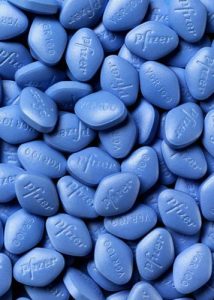
Where to Buy Viagra Online in Canada

Struggling with confidence in the bedroom? You’re not alone. Erectile dysfunction (ED) affects millions of men across Canada—but the good news is that effective treatments like Viagra are more accessible than ever. Here’s what you need to know about buying Viagra online in Canada, how it works, and why Forged Pharma is one of the most trusted places to order from safely and discreetly.

Buying Viagra Online in Canada

What Is Viagra?

Viagra (Sildenafil) is a medication primarily used to treat erectile dysfunction (ED). It belongs to a class of drugs called PDE5 inhibitors, which work by relaxing blood vessels and increasing blood flow to the penis.1 This physiological response makes it significantly easier to achieve and maintain a hard erection during sexual stimulation.2

Originally developed as a treatment for heart-related chest pain (angina), clinical trials revealed its potent ability to induce erections. Today, it remains the gold standard for men seeking reliable performance enhancement.

How Can Viagra Help Me?

Viagra offers fast, proven relief from the symptoms of ED, but its benefits extend beyond just the physical. Users often turn to Sildenafil to overcome:

  • Performance Anxiety: Breaking the cycle of worry that prevents natural erections.
  • Refractory Time: Helping reduce the time needed to recover between rounds.
  • Psychological Confidence: Restoring the self-assurance that comes with knowing you can perform on demand.

Many athletes using anabolic steroids also utilize Viagra to counteract the potential libido fluctuations or blood pressure side effects sometimes associated with heavy cycles.

How to Buy Viagra Online in Canada

Buying Viagra online in Canada is the most convenient way to secure your sexual health without the awkwardness of in-person visits. However, quality varies wildly across the internet. Here is how to ensure you get a premium product:

  1. Choose a Trusted Domestic Vendor
    Avoid ordering from international sites where packages are frequently seized by customs. A domestic Canadian supplier ensures your order arrives safely and quickly without border delays.
  2. Select Brand or Generic
    You do not need to pay a premium for the brand name. Generic Sildenafil contains the exact same active ingredient as Pfizer’s Viagra but at a fraction of the cost.
  3. Place Your Order Discreetly
    Use secure, private websites like ForgedPharma that prioritize your anonymity. We ensure fast, private delivery with plain packaging—no one will know what is inside but you.
  4. Start with the Right Dosage
    Most men begin with a 50mg dose approx. 1 hour before activity.3 Depending on your tolerance, this can be adjusted up to 100mg or down to 25mg.4

Viagra vs. Cialis: Which One Is Better?

Both Viagra (Sildenafil) and Cialis (Tadalafil) are powerhouse ED medications, but they serve different purposes. Choosing the right one depends on your lifestyle and goals.

FeatureViagra (Sildenafil)Cialis (Tadalafil)
Active Life4 – 6 HoursUp to 36 Hours
Onset of Action30 – 60 Minutes30 – 45 Minutes
Best ForScheduled, high-intensity performanceSpontaneity & “Weekend” reliability
Daily Use?No (On-demand only)Yes (Low dose daily option)
Food InteractionCan be delayed by heavy/fatty mealsLess affected by food

The Verdict:

  • Choose Viagra if you want a powerful, short-term boost for a specific planned evening.
  • Choose Cialis (often called “The Weekend Pill”) if you want to be ready at any moment over a 2-3 day period without needing to time your dose.

For a full selection of sexual health aids, visit our Sexual Health Category.

Buying Viagra Online from Forged Pharma

Forged Pharma is a trusted Canadian supplier of pharmaceutical-grade Viagra and other performance-enhancing medications. Here’s why it’s the best place to order:

  • Domestic shipping with Canada Post
  • Discreet packaging and private checkout
  • Competitive pricing on Viagra and generic sildenafil
  • Responsive customer service
  • Secure payment via Interac e-Transfer

Whether you’re ordering for the first time or restocking your supply, Forged Pharma makes the process simple, fast, and secure.

Browse products now at ForgedPharma.is

Viagra Dosage Guidelines

User TypeRecommended DosageNotes
First-time Users50 mgTake 30–60 minutes before activity
Experienced Users100 mgMax strength; don’t exceed 1 dose/day
Sensitive Users25 mgLower side effect risk, for mild ED
Seniors (65+)25–50 mgStart low, increase only if tolerated

Pro tips:

  • Do not take Viagra more than once in 24 hours.
  • Avoid heavy meals or alcohol right before taking.
  • Store in a cool, dry place away from sunlight.

Conclusion: Buy Viagra Online in Canada with Confidence

Erectile dysfunction can impact your mental and emotional well-being—but Viagra offers a proven way to take back control. By buying from a reliable source like Forged Pharma, you avoid scams, ensure quality, and benefit from fast shipping anywhere in Canada.

If you’re ready to experience real results, discreetly and safely, check out ForgedPharma.is and place your order today.

Buying Viagra Online in Canada

FAQ: Buying Viagra Online in Canada

1. Is it legal to buy Viagra online in Canada?
Yes, it is legal to purchase Viagra online for personal use. Always choose a licensed or reputable vendor like Forged Pharma to ensure safe products.

2. How fast does Viagra work?
Viagra usually starts working within 30–60 minutes. For best results, take it on an empty stomach and allow enough time before sexual activity.

3. What are the side effects of Viagra?
Common side effects include headache, flushing, upset stomach, and nasal congestion. Rare but serious effects include vision changes or priapism (prolonged erection).

4. Can I take Viagra daily?
Viagra is intended for occasional use. If you want a daily ED solution, talk to your doctor about Cialis (tadalafil), which has a once-daily option.

5. What payment methods does Forged Pharma accept?
Forged Pharma accepts Interac e-Transfer, ensuring safe and secure payment for Canadian customers.

6. How is Viagra shipped?
All orders from Forged Pharma are shipped in plain, discreet packaging via Canada Post with tracking information provided.

Product has been added to your cart
Compare (0)