100% Secure Checkout Secure
Third-Party HPLC Tested HPLC Tested

Buy HGH Online in Canada

Buy HGH Online in Canada: The Ultimate Guide to Sourcing Premium Somatropin

When it comes to advanced physiological optimization, cellular regeneration, and breaking through genetic performance plateaus, Human Growth Hormone (HGH) stands entirely in a class of its own. For decades, it has been the foundational compound for elite bodybuilders, high-level endurance athletes, and individuals seeking aggressive anti-aging and lipolysis protocols.

However, for Canadian researchers and athletes, acquiring high-quality, accurately dosed Somatropin presents a unique set of logistical challenges. The market is flooded with underdosed vials, degraded peptides, and international shipments that routinely end up seized at the border.

If you are looking to buy HGH online in Canada, you do not just need a supplier; you need a domestic infrastructure that guarantees cold-chain stability, verifiable purity, and zero customs risk. This comprehensive guide breaks down the clinical mechanics of exogenous growth hormone, the protocols for optimal deployment, and exactly how to secure premium, lab-tested HGH kits shipped securely from within our borders.

The Mechanics of Exogenous HGH (Somatropin)

Before investing in a 100 IU kit, it is critical to understand precisely how exogenous Human Growth Hormone alters the body’s metabolic and anabolic environment. HGH is a 191-amino acid single-chain polypeptide peptide. When you inject synthetic Somatropin, it is biologically identical to the growth hormone naturally secreted by your pituitary gland.

Once introduced into the subcutaneous tissue, it acts on two distinct, highly synergistic pathways:

1. Direct Lipolysis (Fat Burning) HGH binds directly to somatropin receptors found in adipose (fat) tissue. This binding initiates a profound metabolic shift. It upregulates the production of hormone-sensitive lipase, an enzyme that aggressively breaks down stored triglycerides into free fatty acids. Furthermore, HGH forces the body to prioritize these free fatty acids for energy rather than utilizing circulating glucose. The result is continuous, 24/7 fat oxidation that occurs even while the user is entirely sedentary or in a deep sleep state. This is why HGH is universally regarded as the ultimate body recomposition agent.

2. The IGF-1 Conversion (Hypertrophy and Regeneration) While HGH burns fat directly, its anabolic and regenerative properties are primarily mediated through the liver. When circulating HGH reaches the hepatic cells, it triggers a massive surge in the production and release of Insulin-like Growth Factor 1 (IGF-1).

IGF-1 is a highly anabolic hormone that drives cellular hyperplasia—the actual creation of new muscle cells, rather than just expanding existing ones (hypertrophy). Beyond muscle tissue, IGF-1 binds to receptors in tendons, ligaments, and bone, accelerating the synthesis of type I and type III collagen. This dual action is what provides the “Wolverine-like” healing capabilities, deep restorative sleep, and joint repair that HGH users universally report.

The Canadian Dilemma: Why Domestic Sourcing is Mandatory

For a Canadian buyer, the internet offers countless international pharmacies and overseas peptide labs selling cheap HGH kits. Attempting to import these kits into Canada is a critical error for several logistical and chemical reasons.

The CBSA Customs Barrier

The Canada Border Services Agency (CBSA) operates one of the strictest pharmaceutical import checkpoints in the world. International packages originating from known steroid and peptide manufacturing hubs (such as China or Eastern Europe) are routinely X-rayed and subjected to secondary screening. If your HGH kit is flagged, it will be seized, your address will be blacklisted, and you will face a total loss of your financial investment.

When you buy HGH domestically from a supplier operating within Canada, the package never crosses an international border. Shipping from a centralized hub like Ontario to destinations like Vancouver, Calgary, or Halifax utilizes domestic carriers like Canada Post or private couriers. This entirely bypasses the CBSA, guaranteeing a 100% secure, rapid delivery without the anxiety of tracking a package through customs clearance.

Molecular Fragility and Transit Degradation

HGH is an incredibly fragile polypeptide chain. Even when lyophilized (freeze-dried) into a powder puck, it remains sensitive to extreme temperatures and violent physical agitation. An international shipment can take weeks to arrive, sitting in sweltering cargo holds or freezing tarmac environments. This thermal stress degrades the delicate amino acid bonds. You may purchase a 100 IU kit, but by the time it survives a three-week international transit, the biological activity could be degraded to the equivalent of 40 IUs.

Domestic shipping ensures rapid transit times. A package dispatched via Xpresspost within Canada typically arrives in 2 to 4 business days. This minimal transit window ensures the lyophilized powder remains completely stable, guaranteeing you receive the exact potency you paid for.

Evaluating HGH Quality: What to Look for in a Kit

When browsing for HGH online, the standard offering is a “100 IU Kit.” This typically arrives as a box containing 10 glass vials, with each vial holding 10 IUs of lyophilized Somatropin powder (a 10×10 IU configuration). However, not all kits are created equal.

Verifiable Purity and Dosing The black market is notorious for substituting expensive HGH with cheaper peptides like HCG or utilizing excessive amounts of mannitol (a sugar filler) to make the powder puck look larger. Premium Canadian sources back their products with rigorous quality control. The Somatropin must yield a pure, 191-amino acid sequence with zero bacterial residue or heavy metal contamination.

The Reconstitution Test High-quality HGH reveals itself during the reconstitution process. When you introduce bacteriostatic water into the vial, premium Somatropin will dissolve almost instantly, leaving a crystal-clear, transparent liquid. If the solution remains cloudy, milky, or contains floating particulates after gentle swirling, the compound is heavily degraded, impure, or synthesized incorrectly.

Optimal HGH Protocols and Administration

Securing premium HGH is only the first step; deploying it correctly dictates your return on investment. HGH is not a compound that yields results overnight. It requires consistent, daily administration to elevate baseline IGF-1 levels.

Administration Guidelines HGH must be reconstituted with Bacteriostatic Water (water containing 0.9% benzyl alcohol) to remain sterile for up to 28 days in the refrigerator. It is administered via a subcutaneous (SubQ) injection, typically into the abdominal fat pad using a standard 29G to 31G insulin syringe. It is virtually painless.

Protocol 1: Anti-Aging, Lipolysis, and Recovery

  • Dosage: 2.0 to 3.0 IUs per day.

  • Schedule: Administered either first thing in the morning (fasted) to maximize fat burning, or immediately before bed to mimic the body’s natural nocturnal GH pulse and maximize deep REM sleep.

  • Expectations: At this dose, users experience profound improvements in skin elasticity, rapid reduction of visceral fat, complete resolution of minor joint aches, and highly restorative sleep.

Protocol 2: Advanced Hypertrophy and Anabolism

  • Dosage: 4.0 to 8.0 IUs per day.

  • Schedule: Often split into two daily injections (e.g., 2 IUs in the morning, 2 IUs post-workout) to keep blood serum levels stable and prevent insulin resistance.

  • Expectations: This is the realm of competitive bodybuilders and athletes. At this tier, the massive surge in IGF-1 begins building dense, permanent muscle tissue. Because high doses of HGH can impact insulin sensitivity, advanced users carefully monitor their fasting blood glucose and often run the compound alongside an anabolic foundation (like Testosterone Enanthate) to maximize the synergistic effects.

Cycle Duration Unlike anabolic steroids, which are run in short 10-to-16-week blasts, HGH requires a long-term commitment. The cellular changes take time to manifest. A minimum cycle length of 4 to 6 months is required to truly witness the transformative power of Somatropin, making reliable, consistent domestic sourcing absolutely critical.

How to Complete Your Order Securely

Purchasing advanced performance compounds requires absolute discretion, financial security, and frictionless logistics. The premier standard for securing your HGH in Canada is the utilization of localized, anonymous payment gateways.

The Power of Interac e-Transfer Credit card processors routinely block transactions related to performance-enhancing compounds, and international wire transfers are slow and heavily monitored. The ultimate solution for Canadian buyers is Interac e-Transfer. It is fast, entirely secure, and instantly processed.

When you finalize your order, you simply send the payment directly from your Canadian bank account using the provided encrypted email address (such as a secure ProtonMail address). The transaction clears in minutes, allowing the fulfillment center to instantly process, pack, and dispatch your kit. There are no flagged credit cards and no international currency conversion fees.

Discreet, Rapid Delivery Your privacy is paramount. Premium suppliers utilize vacuum-sealed, heavily padded, and entirely unbranded packaging. There are no logos, no chemical names, and no external indicators of the contents. Whether your package is being delivered to a condo in downtown Toronto, a residential address in Barrie, or a PO Box in rural Alberta, it arrives looking like any standard commercial parcel.

Once your Interac e-Transfer is confirmed, orders are swiftly handed off to the carrier, providing you with a domestic tracking number so you can monitor your package from the dispatch hub straight to your doorstep.

Secure Your 10 IU HGH Kit Today

Stop rolling the dice with international customs, degraded transit temperatures, and unreliable overseas communication. The foundation of an elite physique and unparalleled recovery requires a consistent, pure, and readily available supply of Somatropin.

By sourcing your HGH domestically, you are investing in verifiable purity, guaranteeing cold-chain stability, and ensuring your exact protocol is never interrupted by a seized package.

Experience the pinnacle of biological optimization. Browse our selection of premium 10×10 IU HGH kits, utilize our secure Interac e-Transfer checkout, and have the ultimate recovery and recomposition agent delivered rapidly and discreetly directly to your Canadian address. Upgrade your physique today.

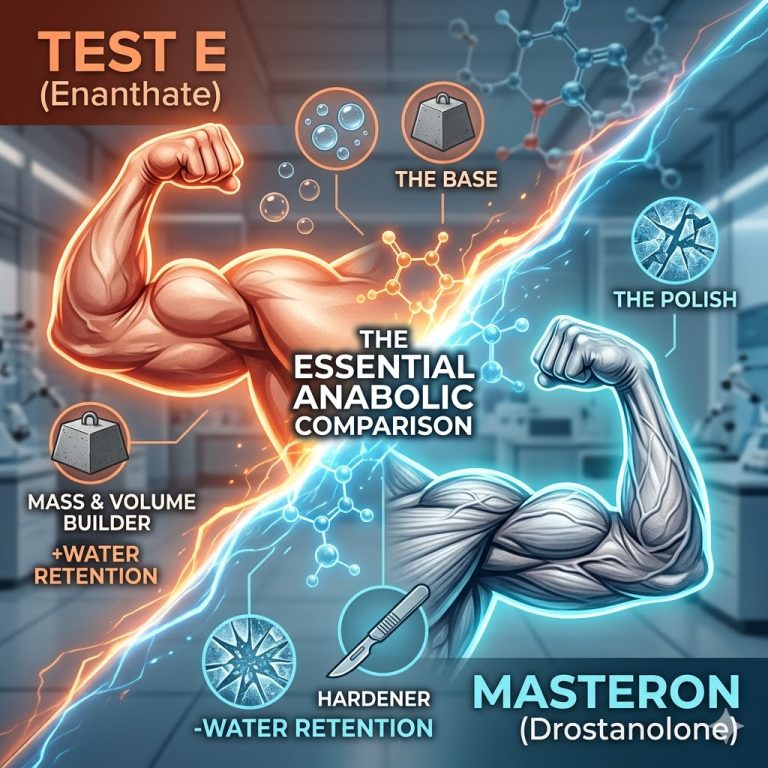
Testosterone Enanthate vs. Masteron

Testosterone Enanthate vs. Masteron Explained

In the advanced study of sports pharmacology, compounds are rarely judged in isolation. They are evaluated based on their specific physiological roles, their mechanisms of action, and how they interact with the human endocrine system. When researchers and performance athletes discuss “Test E” (Testosterone Enanthate) and “Masteron” (Drostanolone), they are not looking at two interchangeable drugs. They are looking at two fundamentally different tools that serve entirely different structural purposes.

To compare Testosterone Enanthate against Masteron is to compare the concrete foundation of a building against the final aesthetic polish applied to its exterior. One provides the biological baseline required for mass and function; the other refines that mass, stripping away water and amplifying the cosmetic appearance of the muscle.

This comprehensive guide breaks down the independent mechanics of both Testosterone Enanthate and Masteron, their direct comparisons, and the profound biochemical synergy that occurs when these two compounds are utilized together.

Part 1: The Foundation – Testosterone Enanthate (Test E)

Before any secondary anabolic compound can be introduced, a physiological baseline must be established. This is the role of Testosterone Enanthate.

Origins and Primary Function

Testosterone is the primary male androgen, responsible for the development of male physical characteristics, muscle hypertrophy, bone density, and neurological drive. In its raw, unesterified form, exogenous testosterone has an incredibly short half-life and would require multiple injections per day to maintain stable blood serum levels.

To solve this, the testosterone molecule is attached to an Enanthate ester. This ester is a lipid (fat) chain that slows the release of the hormone into the bloodstream. Once injected, enzymes in the body slowly cleave off the Enanthate ester, releasing the active testosterone. Testosterone Enanthate carries a half-life of approximately 4.5 to 5 days, making it ideal for stable, long-term cycles ranging from 12 to 16 weeks, typically requiring injections twice per week.

Mechanism of Action: The “Wet” Mass Builder

Testosterone is the ultimate biological signaling molecule for growth. When introduced at supraphysiological doses, it binds directly to the androgen receptors within muscle tissue, triggering a cascade of anabolic processes:

  • Nitrogen Retention: It forces the muscles to hold more nitrogen, creating a positive nitrogen balance that is essential for synthesizing new muscle proteins.

  • IGF-1 Production: It signals the liver and muscle tissues to drastically increase the production of Insulin-like Growth Factor 1 (IGF-1), a highly anabolic hormone that drives cellular hyperplasia (the creation of new muscle cells).

  • Red Blood Cell Count: It stimulates the kidneys to release erythropoietin (EPO), increasing red blood cell production for greater muscular endurance and oxygen delivery.

Crucially, Testosterone is a “wet” compound. It heavily interacts with the aromatase enzyme, which converts a portion of the circulating testosterone into Estradiol (Estrogen). While high estrogen can cause side effects, a moderate amount of estrogen is highly anabolic. It increases glucose utilization, protects joints by increasing synovial fluid, and drives intracellular water into the muscles, resulting in massive strength gains and rapid tissue accumulation.

Part 2: The Architectural Polish – Masteron (Drostanolone)

If Testosterone is the raw material, Masteron is the precision scalpel used to carve out the final aesthetic.

Origins and Primary Function

Masteron (chemical name Drostanolone) was originally synthesized in 1959 and later utilized as a highly effective treatment for inoperable breast cancer in postmenopausal women. Its medical application was rooted in its unique ability to lower estrogen levels and halt the growth of estrogen-dependent tumors.

In performance enhancement, Masteron is classified as a strict “dry” compound and a cosmetic finisher. It does not build massive amounts of raw tissue like Testosterone or Dianabol. Instead, it alters the visual density of the muscle that already exists.

The Structural Biochemistry

To understand Masteron, you must look at its molecular structure. Drostanolone is a derivative of Dihydrotestosterone (DHT). It has been chemically altered with the addition of a 2-alpha-methyl group. This seemingly small structural change does two critical things:

  1. Protects against breakdown: It prevents the compound from being instantly destroyed by the 3-alpha hydroxysteroid dehydrogenase enzyme found in skeletal muscle, allowing it to remain highly active.

  2. Prevents aromatization: Because it is derived from DHT, it inherently lacks the chemical structure required to interact with the aromatase enzyme. Masteron cannot convert into estrogen.

Because it does not aromatize, Masteron causes zero water retention. It pulls subcutaneous fluid out from under the skin, leaving the muscles looking incredibly dense, hard, and heavily vascular.

Part 3: The Direct Comparison (Test E vs. Masteron)

When evaluating these two compounds side-by-side, their differences in application become starkly apparent.

1. The Role in a Protocol

  • Testosterone Enanthate is the Base: No cycle should ever be run without a testosterone base. Exogenous androgens shut down the body’s natural production of testosterone. Running any steroid without a testosterone base will result in lethargy, sexual dysfunction, and severe physiological crash.

  • Masteron is the Addition: Masteron is never run alone. Running a DHT derivative by itself would crush natural testosterone production, crash estrogen levels, and lead to miserable side effects. Masteron is an ancillary compound explicitly designed to be stacked on top of a testosterone base.

2. Anabolic vs. Androgenic Activity

  • Testosterone possesses an anabolic-to-androgenic ratio of 100:100. It builds muscle efficiently but also carries significant androgenic traits.

  • Masteron possesses a ratio of roughly 62:25. It has a relatively low anabolic rating, which is why it is not used to build massive size. However, it is highly androgenic in its binding affinity, which leads to intense central nervous system (CNS) stimulation, increased aggression in training, and immense strength output relative to body weight.

3. The Side Effect Profile

Because they operate through different pathways, their side effect profiles are entirely distinct.

  • Testosterone Risks: Driven by aromatization. The primary side effects are estrogenic—gynecomastia (male breast tissue growth), severe water retention, elevated blood pressure from the water weight, and potential acne.

  • Masteron Risks: Driven by its DHT nature. Masteron is notorious for causing highly androgenic side effects in individuals prone to them. This includes accelerated male pattern baldness (alopecia), prostate enlargement, and increased aggression. Crucially, anti-hair-loss drugs like Finasteride are entirely useless against Masteron, because Finasteride stops the conversion of testosterone to DHT. Masteron is already a DHT derivative; the conversion has already happened.

Part 4: The Synergistic Alchemy – Why Test and Mast are Stacked

The true value of analyzing Test E and Masteron comes from understanding what happens when they are combined. The “Test/Mast” stack is considered one of the most mechanically perfect combinations in performance pharmacology.

When these two compounds are introduced simultaneously, Masteron chemically alters how the body processes the Testosterone Enanthate. It acts as an amplifier.

1. The SHBG Binding Affinity

Sex Hormone-Binding Globulin (SHBG) is a protein produced in the liver. Its job is to bind to sex hormones (like testosterone) floating in the blood, rendering them inactive. In a normal human male, roughly 98% of all testosterone is bound by SHBG and albumin. Only the remaining 2% is “Free Testosterone”—the active hormone that can actually enter the muscle cells and trigger growth.

Masteron has a remarkably high binding affinity for SHBG. When introduced into the bloodstream, the Masteron molecules aggressively attach themselves to the SHBG proteins. Because the SHBG is entirely occupied by the Masteron, it can no longer bind to the Testosterone.

The result? The amount of “Free” (active) Testosterone from the Test E injection skyrockets. The Masteron effectively unlocks the Testosterone, multiplying its anabolic potential without requiring the user to increase the actual dosage of the Test E.

2. The Anti-Estrogenic Effect

As discussed, Testosterone Enanthate aromatizes into estrogen, which often requires the user to take a secondary drug—an Aromatase Inhibitor (AI) like Aromasin or Arimidex—to prevent gynecomastia and water bloat.

However, Masteron possesses unique, inherent anti-estrogenic properties. While it is not a true suicide inhibitor like Aromasin, it acts similarly to a SERM (Selective Estrogen Receptor Modulator) in the breast tissue, and it has a mild inhibitory effect on the aromatase enzyme itself.

By stacking Masteron with Test E, the user can often run much higher doses of Testosterone without needing a harsh, chemical AI. The Masteron keeps the estrogenic side effects in check, preventing the water bloat from the Test E and ensuring the resulting muscle gains are clean, dry, and highly aesthetic.

Part 5: Application and Cycle Context

When deploying these compounds, the ester timeline and the athlete’s body fat percentage dictate the protocol.

Ester Matching (Test E + Mast E)

Because Testosterone Enanthate utilizes a long, slow-acting ester, it is optimal to pair it with Masteron Enanthate (Mast E). This ensures that both hormones release into the bloodstream at the exact same rate. The user can draw both compounds into the same syringe and inject them simultaneously on a simple twice-per-week schedule (e.g., Monday and Thursday), keeping blood serum levels perfectly stable.

  • Standard Ratio: Researchers often utilize a 1:1 or 2:1 ratio. A common protocol might look like 400mg of Test E alongside 400mg of Mast E per week.

The Body Fat Requisite

While Testosterone works efficiently at any body fat level to build mass, Masteron is entirely dependent on the user’s conditioning. Because Masteron is a cosmetic finisher, its effects are invisible if the user is covered by a thick layer of adipose tissue.

Deploying Masteron when a user is above 12% to 15% body fat is a waste of the compound. The DHT derivative will harden the muscle underneath, but the visual “dry, granular” look will be hidden by the fat. Masteron shines exclusively when the user is already exceptionally lean, serving to pull out the final layer of subcutaneous water to reveal deep muscle striations and extreme vascularity.

Conclusion

Testosterone Enanthate and Masteron are not opposing forces; they are the two halves of a highly refined physiological equation.

Testosterone Enanthate provides the raw, unavoidable biological foundation. It serves as the primary driver of nitrogen retention, neurological output, and overall muscular hypertrophy. It is the heavy machinery required to build the structure.

Masteron serves as the specialized architect. Devoid of estrogenic conversion, it functions not to build new mass, but to dramatically amplify the efficiency of the testosterone baseline by binding to SHBG. It simultaneously acts as a biological shield, mitigating the estrogenic fallout of the testosterone base while stripping away extracellular water to yield a dense, clinically hardened aesthetic.

Anadrol vs Aromasin

The Pharmacological Paradox: Anadrol vs. Aromasin Explaine

In the advanced study of sports pharmacology and performance endocrinology, understanding how different compounds interact is the dividing line between optimal physiological enhancement and biological chaos. Often, researchers and athletes attempt to pair compounds based on fundamental assumptions—assuming that if Drug A causes a specific side effect, Drug B, which treats that side effect, must be the logical countermeasure.

Perhaps nowhere is this misunderstanding more prevalent—and potentially harmful—than in the combined use of Anadrol (Oxymetholone) and Aromasin (Exemestane).

While searching for “Anadrol vs. Aromasin” might imply a comparison of similar compounds, comparing these two drugs is a category error. Anadrol is a powerful, highly toxic anabolic-androgenic steroid (AAS) designed to build massive amounts of tissue. Aromasin is an ancillary drug—specifically, an aromatase inhibitor (AI)—designed to control estrogen.

The true educational value of exploring these two compounds together lies in a notorious biochemical paradox: Why Aromasin is entirely useless at stopping the severe estrogenic side effects of Anadrol.

This comprehensive guide breaks down the independent mechanics of both drugs, the science behind the aromatase enzyme, and why attempting to use Aromasin to mitigate Anadrol’s side effects is a fundamental misunderstanding of human endocrinology.

Disclaimer: The following article is strictly for informational and educational purposes. The compounds discussed are powerful prescription medications and research chemicals. This information does not constitute medical advice, nor does it endorse the illicit use of controlled substances.

Part 1: The Profile of Anadrol (Oxymetholone)

To understand the conflict between these two compounds, we must first isolate their individual mechanisms of action.

Origins and Primary Function

Anadrol (chemical name Oxymetholone) was developed in the 1960s primarily to treat severe anemia and muscle-wasting diseases. Because red blood cells carry oxygen to muscle tissue, a lack of red blood cells results in lethargy and weakness. Anadrol triggers a massive release of erythropoietin (EPO), pushing red blood cell production into overdrive.

In performance and bodybuilding contexts, Anadrol is classified as a “wet” mass builder. It is renowned for rapid, explosive weight gain, delivering massive surges in absolute strength and intracellular water retention. Users frequently report gaining 10 to 15 pounds in a matter of weeks.

The Structural Paradox

Biochemically, Anadrol is a derivative of Dihydrotestosterone (DHT). It has been modified with an added 2-hydroxymethylene group, which dramatically increases its anabolic power, and it is 17-alpha-alkylated (C17-aa), allowing it to survive oral ingestion and pass through the liver.

This structural origin is where the confusion begins. In the human body, DHT cannot aromatize (convert) into estrogen. Because Anadrol is a DHT derivative, it inherently lacks the chemical structure required to interact with the aromatase enzyme. It is mathematically and biologically impossible for Anadrol to convert into circulating estradiol.

Yet, Anadrol is notorious for causing some of the most severe “estrogenic” side effects of any steroid in existence, including massive water retention, blood pressure spikes, and rapid-onset gynecomastia (the growth of male breast tissue).

If it doesn’t convert to estrogen, why does it act like estrogen? Researchers theorize two mechanisms:

  1. Direct Receptor Activation: Anadrol, or its metabolites, may directly bind to and activate the estrogen receptor in tissue, bypassing the need to convert into estrogen first.

  2. Progestational Activity: While studies show Anadrol has low affinity for the progesterone receptor, some researchers believe it acts synergistically with circulating estrogen, amplifying its effects.

Part 2: The Profile of Aromasin (Exemestane)

Now, we look at the ancillary compound often mistakenly deployed to fix the Anadrol paradox.

Origins and Primary Function

Aromasin (Exemestane) was developed as an adjuvant treatment for estrogen-receptor-positive breast cancer in postmenopausal women. Certain breast cancers feed heavily on estrogen to grow. By eliminating the estrogen in the body, Aromasin effectively starves the tumor.

In the realm of performance enhancement, when athletes inject supraphysiological amounts of Testosterone (or other aromatizing compounds like Dianabol), the body attempts to maintain homeostasis. It takes the excess testosterone and forces it through the aromatase enzyme, converting it into estrogen. Aromasin is used to halt this process.

The Mechanism: Suicidal Inhibition

Aromatase Inhibitors are divided into two categories: Type II (non-steroidal) like Arimidex, and Type I (steroidal) like Aromasin.

Aromasin is a Type I “suicidal” inhibitor.

  • When a drug like Arimidex binds to the aromatase enzyme, it only does so temporarily. If you stop taking Arimidex, the enzymes are freed, leading to a massive “estrogen rebound.”

  • Aromasin, conversely, is structurally similar to androgens. The aromatase enzyme grabs the Aromasin molecule, attempting to convert it. In doing so, the Aromasin permanently bonds to the enzyme, disabling and destroying it. The enzyme commits “suicide.”

Estrogen levels cannot rise again until the body literally manufactures brand new aromatase enzymes, which takes days or weeks. This makes Aromasin incredibly powerful, highly effective, and relatively forgiving regarding estrogen rebound.

Part 3: The Pharmacological Clash – Why Aromasin Fails Against Anadrol

We now arrive at the intersection of the two compounds and the core of the informational thesis: Taking Aromasin to cure Anadrol-induced gynecomastia or water retention is a futile and dangerous practice.

To understand why, visualize a lock and a key.

  • The Aromatase Enzyme is a lock.

  • Testosterone is a key that fits into the lock, turns, and comes out the other side as Estrogen.

  • Aromasin is glue. You squirt it into the lock, permanently jamming it so no more keys can enter.

If an athlete runs a cycle of Testosterone and begins to develop itchy nipples (the onset of gynecomastia), they introduce Aromasin. The Aromasin jams the lock (destroys the enzyme), stopping the conversion of testosterone to estrogen. The estrogen levels drop, and the gynecomastia subsides. The protocol works flawlessly.

However, Anadrol does not use the lock.

Because Anadrol is a DHT derivative, it does not interact with the aromatase enzyme. It causes gynecomastia and water retention through direct activation at the receptor site in the breast tissue or through alternative progestational pathways.

If an athlete takes Anadrol and develops gynecomastia, and they respond by taking Aromasin, the Aromasin will successfully destroy the aromatase enzymes in the body. But this achieves absolutely nothing regarding the Anadrol. The Anadrol continues directly bombarding the breast tissue receptors, entirely unimpeded by the lack of aromatase enzymes.

The Danger of Crashing Estrogen

The scenario described above is not just ineffective; it is actively destructive.

Oral steroids like Anadrol are never run in isolation; they are run alongside an injectable Testosterone base. The testosterone is necessary for normal physiological function, libido, and neuroprotection.

If a user takes Aromasin to combat Anadrol side effects, the Aromasin will target the only thing it can target: the estrogen converting from the Testosterone base. The user will rapidly drive their circulating estradiol levels to near zero (crashing their estrogen).

Estrogen is highly cardioprotective, vital for lipid management, and essential for joint lubrication. An athlete who makes this pharmacological error will find themselves in a worst-case scenario:

  1. They will still have gynecomastia and high blood pressure from the Anadrol.

  2. They will simultaneously suffer from crashed estrogen, resulting in severely painful, dry joints, lethargy, destroyed HDL cholesterol levels, and a complete loss of libido.

They will have subjected their body to a harsh chemical for zero benefit, multiplying their side effects rather than resolving them.

Part 4: Harm Reduction and Alternative Solutions

If an aromatase inhibitor like Aromasin is pharmacologically useless against the estrogenic side effects of Anadrol, how do clinical researchers and advanced athletes manage the compound?

The answer lies in targeting the receptor, rather than the enzyme.

SERMs (Selective Estrogen Receptor Modulators)

Instead of trying to stop the creation of estrogen (which Anadrol circumvents anyway), the solution is to block the receptor where the Anadrol is binding. This is achieved using SERMs, most notably Nolvadex (Tamoxifen) or Raloxifene.

SERMs work by competing for the estrogen receptor. When Tamoxifen is introduced, it travels to the breast tissue and securely locks itself into the estrogen receptors. However, unlike estrogen or Anadrol, the Tamoxifen molecule does not activate the receptor. It acts as a shield.

When the Anadrol attempts to bind to the breast tissue to cause gynecomastia, it finds the receptor already occupied by Tamoxifen. The Anadrol is repelled, and the gynecomastia is halted.

  • Aromasin attempts to stop the factory from making estrogen (Useless against Anadrol).

  • Nolvadex puts up a shield over the target tissue (Highly effective against Anadrol).

Managing the Toxicity

It is also vital to note that Anadrol’s side effects extend far beyond the estrogen receptor. Because it is a C17-aa oral compound, it is notoriously hepatotoxic (toxic to the liver). It causes significant elevations in liver enzymes (AST/ALT) and heavily skews the lipid profile, driving bad cholesterol (LDL) up and good cholesterol (HDL) down.

While SERMs can protect the breast tissue, they do nothing for the internal organs. Protocols utilizing Anadrol strictly require robust organ support:

  • TUDCA (Tauroursodeoxycholic acid): A water-soluble bile acid that is highly effective at clearing liver bile and protecting hepatic cells from toxic stress.

  • NAC (N-Acetyl Cysteine): A precursor to glutathione, the body’s most powerful master antioxidant, crucial for liver detoxification.

  • Hydration and Cardio: Rigorous cardiovascular protocols and deep hydration (4+ liters of water daily) are required to offset the extreme blood pressure spikes associated with Anadrol’s intracellular water retention.

Conclusion: The Importance of Chemical Literacy

The juxtaposition of Anadrol and Aromasin serves as a vital lesson in the science of performance endocrinology. Biochemistry does not operate on assumptions.

Aromasin is an elite, highly effective Type I suicidal inhibitor, perfect for managing the aromatization of compounds like Testosterone, Dianabol, and Equipoise. It protects the physique by managing circulating estradiol at the enzymatic level.

Anadrol is a volatile, incredibly powerful DHT derivative that builds massive amounts of tissue while bypassing standard enzymatic pathways to exert its side effects.

Understanding that these two compounds operate on entirely separate, non-intersecting biological tracks is crucial. Utilizing the wrong ancillary drug does not just fail to solve the problem; it creates entirely new, highly damaging physiological states. In the world of advanced research and physical enhancement, chemical literacy is the only viable defense mechanism.

Wolverine Peptide Stack

How to use the Wolverine Peptide Stack

How to use the Wolverine Peptide Stack: A Comprehensive Guide to Healing and Regeneration

Performance optimization and systemic repair are cornerstones for individuals engaged in advanced research, high-level athletics, or simply seeking to enhance their body’s inherent healing capabilities. As recovery barriers often limit progress and well-being, the “Wolverine Peptide Stack”—a combination of the potent regenerative peptides BPC-157 and TB-500—has emerged as a compelling area of study.

Named for its perceived dramatic regenerative properties, this combination aims to accelerate tissue healing, reduce recovery limitations, and promote overall regeneration. This article serves as a strictly informational guide on how to use this powerful peptide combination effectively for advanced research purposes.

Wolverine Peptide Stack

Wolverine Peptide Stack

Understanding the Components

To truly grasp how to use the Wolverine Stack effectively, it is essential to first understand the individual peptides that comprise it.

BPC-157: The Targeted Healer

BPC-157 (Body Protection Compound 157) is a pentadecapeptide composed of 15 amino acids, initially discovered as a protective protein within human gastric juice.

  • Mechanism of Action: It upregulates several crucial growth factors and improves blood flow to injured tissues by stimulating angiogenesis (the formation of new blood vessels) and increasing collagen synthesis.

  • Primary Use: It is considered a targeted healer, demonstrating significant efficacy in promoting the repair of specific localized tissues, including tendons, ligaments, muscles, bones, nerves, and the gut lining.

TB-500: The Systemic Regenerator

TB-500 is a synthetic version of the naturally occurring peptide Thymosin Beta-4 (Tβ4), which is present in almost all human and animal cells.

  • Mechanism of Action: TB-500 exerts a potent systemic action, promoting cell migration to the site of injury and fostering angiogenesis. It also possesses significant anti-inflammatory properties, reducing potential scar tissue formation.

  • Primary Use: Unlike the localized focus of BPC-157, TB-500 influences tissue repair and regeneration across the entire body, making it highly effective for widespread muscle tears, joint issues, and systemic inflammation.

The Power of the Stack: Synergistic Effects

The concept behind combining BPC-157 and TB-500 lies in their distinct, yet complementary, modes of action. While BPC-157 offers targeted healing through improved localized blood supply and collagen support, TB-500 provides systemic regeneration by reducing total-body inflammation and mobilizing cellular “workers” to the damaged tissue.

When run concurrently, research suggests a highly comprehensive recovery process:

  1. BPC-157 creates the necessary local infrastructure (vascularity and collagen scaffolding).

  2. TB-500 sends in the regenerative cells and suppresses systemic inflammation.

This synergy aims to address both the localized tear and the underlying systemic stress, potentially offering optimal results in a much shorter timeframe.

Reconstitution and Dosing Guide

Disclaimer: The information provided here is strictly for educational purposes, referencing commonly discussed protocols in advanced research communities. Peptides are research chemicals, not approved medical treatments. Always consult a qualified healthcare professional before beginning any peptide regimen.

Peptide Reconstitution Steps

Peptides typically arrive in lyophilized (freeze-dried) powder form. They must be reconstituted in Bacteriostatic Water (BAC) to remain stable and sterile.

  1. Prep: Gently wipe the tops of both the peptide vial and the BAC water vial with an alcohol swab.

  2. Draw: Use a sterile syringe to draw the specified amount of BAC water.

  3. Mix: Slowly and gently add the BAC water to the peptide vial, letting it run down the side of the glass. Do not shoot the water directly onto the powder, and never shake the vial violently.

  4. Dissolve: Allow the peptide to dissolve completely, either on its own or through very gentle swirling.

  5. Store: Reconstituted peptides must be stored in the refrigerator when not in use.

Conceptual Dosing Considerations

There is no one-size-fits-all approach. A cautious “low and slow” strategy is generally advised in the research community.

1. BPC-157 Dosing Protocols (Daily Admin)

  • Range: 250mcg to 500mcg per injection.

  • Frequency: 1 to 2 times daily (e.g., total 500mcg daily).

  • Application: Administered near the site of injury or systemically.

  • Cycle: Typically run for 4 to 8 weeks, followed by a break.

2. TB-500 Dosing Protocols (Weekly Admin) TB-500 utilizes a loading phase followed by a maintenance phase due to its longer systemic action.

  • Loading Phase (First 2-4 weeks): 2.5mg to 5mg weekly, split into 2 or 3 injections (e.g., 2.5mg twice weekly).

  • Maintenance Phase (Subsequent weeks): Dropping down to 2.5mg once weekly.

  • Cycle: Typically run for 4 to 12 weeks.

3. Integration Example (The Wolverine Stack)

  • BPC-157: 250mcg twice daily, every day.

  • TB-500: 2.5mg twice weekly for a 4-week loading phase, followed by 2.5mg once weekly for maintenance.

  • Total duration: 8 to 10 weeks, followed by an off-cycle.

Administration and Logistics

Both BPC-157 and TB-500 are primarily administered via Subcutaneous (SubQ) injections into fatty tissue.

  • Tools Needed: Small insulin syringes (e.g., 29G-31G), alcohol prep pads, bacteriostatic water, and proper refrigerated storage.

  • Location: Subcutaneous injections into the abdomen or upper thighs are generally considered safe, relatively painless, and capable of delivering peptides systemically.

  • Best Practices: Always rotate injection sites and adhere strictly to aseptic (sterile) techniques to prevent site infections.

how to use the wolverine stack

how to use the wolverine stack

Important Considerations and Potential Risks

Disclaimer: Detailed information about the long-term safety of research peptides is limited. The following observations are based on community reporting and ongoing research.

  • Side Effects: While often reported as well-tolerated, side effects can include temporary skin irritation at the injection site, mild lethargy, or a brief head rush.

  • Quality and Sourcing: Obtaining high-purity, research-grade peptide compounds from reputable, lab-tested suppliers is critical. Unverified black-market products pose significant risks, including contamination or incorrect dosing. Ensure your supplier provides verifiable, third-party lab testing.

  • Integrative Approach: Peptides are not magical cures. They are most effective when utilized as tools within a comprehensive approach that includes a nutritious diet, adequate hydration, sufficient sleep, and proper physical rehabilitation protocols.

Conclusion

The Wolverine Peptide Stack offers profound potential for accelerating recovery, enhancing tissue repair, and optimizing physiological regeneration. By understanding the distinct mechanisms of BPC-157’s localized vascular infrastructure and TB-500’s systemic cellular mobilization, researchers can approach tissue repair strategically. Always prioritize meticulous reconstitution, strict sterile administration, high-quality lab-tested sourcing, and professional medical consultation when exploring these advanced performance optimization tools.

3D illustration of human arm musculature demonstrating the Wolverine Stack, showing BPC-157 and TB-500 peptide strands converging on a targeted area to accelerate tissue repair.

How to Combine BPC-157 & TB-500

In the spheres of high-performance athletics, advanced bodybuilding, and regenerative medicine, the ultimate bottleneck has never been training intensity; it has always been tissue recovery. Anabolic steroids can push muscle hypertrophy beyond genetic limitations, but they often leave tendons, ligaments, and joints struggling to support the new, rapid force generation. This discrepancy leads to catastrophic tears, chronic tendinopathy, and systemic inflammation.

Enter the world of therapeutic peptides.

Moving away from the brute-force biological manipulation of traditional anabolics, peptides like BPC-157 (Body Protection Compound) and TB-500 (Thymosin Beta-4) act as precise biological messengers. They do not force the body to grow; they signal the body to heal. When run concurrently, this combination is colloquially known as the “Wolverine Stack” due to its profound capacity to accelerate the repair of muscle, tendon, ligament, and bone tissue.

This guide provides a strictly informational breakdown of the biological mechanisms, synergistic effects, reconstitution math, and standard community protocols for combining BPC-157 and TB-500.

3D illustration of human arm musculature demonstrating the Wolverine Stack, showing BPC-157 and TB-500 peptide strands converging on a targeted area to accelerate tissue repair.
Visualizing the Wolverine Stack: How the combined properties of BPC-157 and TB-500 target localized injuries to accelerate muscle and tissue recovery.

Part 1: The Anatomy of Healing – Understanding the Peptides

To understand why these two compounds are combined, you must first understand how they operate individually. They achieve the same ultimate goal (tissue repair) through entirely different, non-competing biological pathways.

BPC-157 (Body Protection Compound-157)

BPC-157 is a synthetic, 15-amino-acid sequence derived from a naturally occurring protective protein found in human gastric juice. In the stomach, its primary role is to heal ulcers and protect the endothelial lining from damage. However, when synthesized and injected, its healing properties extend to nearly every tissue in the body.

  • The Mechanism of Action (Angiogenesis): BPC-157’s primary mechanism of tissue repair is angiogenesis—the creation of new blood vessels. It heavily upregulates Vascular Endothelial Growth Factor (VEGF). Tendons and ligaments notoriously have poor blood supply, which is why a torn Achilles or rotator cuff takes months to heal compared to a torn muscle. BPC-157 forces new capillary networks to form around the damaged avascular tissue, flooding the injury with oxygen, nutrients, and the body’s natural healing factors.
  • Fibroblast Upregulation: It also accelerates the migration and proliferation of fibroblasts, the biological “builders” responsible for creating collagen and extracellular matrix.
  • Systemic vs. Localized: While BPC-157 does have systemic effects, clinical observations and community consensus strongly suggest it is most effective when injected as close to the site of the injury as safely possible.

TB-500 (Synthetic Thymosin Beta-4)

TB-500 is a synthetic version of Thymosin Beta-4, an naturally occurring peptide present in almost all human and animal cells, highly concentrated in blood platelets and wound fluid.

  • The Mechanism of Action (Actin Upregulation): TB-500’s primary function revolves around actin binding. Actin is a crucial cellular protein that forms the cytoskeleton (the structural scaffolding) of cells. By upregulating actin, TB-500 dramatically enhances cell motility—the ability of cells to travel through the body to the site of an injury.
  • Inflammation Control and Flexibility: Beyond cellular migration, TB-500 is a profound anti-inflammatory agent. It is known to reduce scar tissue formation and improve joint flexibility by preventing the fibrotic tissue adhesions that often follow severe muscle tears.
  • Highly Systemic: Unlike BPC-157, TB-500 is entirely systemic. Because its molecular weight is relatively low, it travels efficiently through the bloodstream to find damaged tissue, meaning it can be injected into stomach fat (subcutaneously) and still effectively heal a torn shoulder or knee.

Part 2: The Biological Synergy – Why Combine Them?

Running BPC-157 or TB-500 individually yields impressive results, but combining them creates a biological synergy that exponentially accelerates the healing timeline.

The easiest way to conceptualize this synergy is to view the injury site as a massive construction project:

  • BPC-157 builds the roads. By triggering angiogenesis, it constructs the vascular highways leading directly to the damaged tendon or ligament. It ensures that the logistics network is in place.
  • TB-500 brings the workers and materials. By upregulating actin and cellular motility, it rapidly transports the specialized stem cells, fibroblasts, and building blocks down those newly constructed roads directly into the core of the injury.

Furthermore, because BPC-157 is largely localized and TB-500 is entirely systemic, the user is attacking the injury from two different angles. BPC acts as a targeted strike on the specific tear, while TB-500 lowers total-body inflammation and addresses micro-tears the user might not even be fully aware of yet.

Part 3: Reconstitution and Handling (The Chemistry)

Peptides are not sold in liquid form; they are highly fragile chains of amino acids. To survive shipping and prevent rapid degradation, they are lyophilized (freeze-dried) into a solid puck of white powder at the bottom of a glass vial. Before they can be administered, they must be reconstituted.

1. The Diluent: Bacteriostatic Water (BAC) Peptides must be reconstituted exclusively with Bacteriostatic Water. BAC water is sterile water containing 0.9% Benzyl Alcohol. The alcohol prevents the growth of bacteria, allowing the reconstituted peptide vial to remain sterile and safe to inject for approximately 28 to 30 days when refrigerated. Using plain sterile water means the vial will become a breeding ground for bacteria within 48 hours.

2. The Fragility of Peptide Bonds Amino acid bonds are incredibly delicate. Rough handling, violent shaking, or aggressive reconstitution can shear the bonds, destroying the compound before it ever enters your body.

  • When introducing the BAC water into the peptide vial, you must angle the needle so the water drips slowly down the glass wall of the vial.
  • Never spray the water directly onto the powder.
  • Never shake the vial. Gently swirl it in a circular motion until the powder dissolves perfectly clear.

3. The Reconstitution Math Understanding how to dose requires basic division. You are dissolving a massive amount of micrograms (mcg) into a small amount of milliliters (mL).

Example using a standard 5mg vial of BPC-157:

  • 5mg equals 5,000mcg.
  • If you add 2mL of BAC water into the vial, you now have 5,000mcg suspended in 2mL of water.
  • An insulin syringe is generally 1mL (which equals 100 “ticks” or units).
  • Therefore, 2mL equals 200 units.
  • 5,000mcg / 200 units = 25mcg per single unit on the syringe.
  • If your protocol calls for a 250mcg dose, you will draw the liquid up to the “10” mark on the insulin syringe (10 units x 25mcg = 250mcg).

Part 4: Protocol and Administration – The “Wolverine Stack”

Because these are research chemicals, there is no FDA-approved dosing guideline. The protocols below reflect the established consensus among performance enhancement researchers, longevity clinics, and elite athletes.

The BPC-157 Protocol

Because BPC-157 has a relatively short half-life (roughly 4 to 6 hours), it must be administered frequently to maintain elevated serum levels for continuous healing.

  • Dosage: 250mcg to 500mcg per administration.
  • Frequency: Twice daily (e.g., once in the morning, once before bed). Total daily dose ranges from 500mcg to 1,000mcg.
  • Administration Style: Subcutaneous (SubQ) or Intramuscular (IM). As stated, BPC is highly effective when pinned locally. If healing a torn bicep, the injection is often administered SubQ into the skin immediately above the bicep.

The TB-500 Protocol

TB-500 has a much longer active life in the body, meaning daily injections are entirely unnecessary. It is typically front-loaded to build up blood serum levels, followed by a maintenance phase.

  • Dosage: 2.0mg to 2.5mg per administration.
  • Frequency: Twice per week (e.g., Monday and Thursday) for a total weekly dose of 4mg to 5mg.
  • Administration Style: Subcutaneous (SubQ). Because it is highly systemic, injecting into the abdominal fat pad with a standard insulin needle is perfectly effective, regardless of where the actual injury is located.

Cycle Duration

Tissue repair is a biologically demanding process that cannot be instantly resolved, even with advanced chemical signaling.

  • A standard Wolverine Stack protocol lasts between 4 to 8 weeks.
  • After 8 weeks, if the injury is completely resolved, the peptides can be discontinued without any need for Post Cycle Therapy (PCT), as peptides do not suppress the body’s natural endocrine system or testosterone production.
  • If minor aches persist, researchers often drop the BPC-157 entirely and maintain a low “cruise” dose of TB-500 (e.g., 2mg once per month) to keep systemic inflammation at bay.

Part 5: Managing Expectations and Harm Reduction

While the healing properties of these peptides are profound, they are bound by the laws of physics and biology.

1. They Are Not Surgical Replacements If an athlete completely ruptures a tendon (where the tendon separates entirely from the bone), BPC-157 and TB-500 cannot magically reattach it. Complete ruptures require surgical intervention. However, utilizing the Wolverine Stack post-surgery can cut the rehabilitation and recovery timeline in half and result in a vastly stronger structural repair.

2. Side Effects and Tolerability Compared to anabolic steroids or harsh anti-inflammatory drugs (NSAIDs) which destroy the stomach lining and tax the liver, peptides are exceptionally well-tolerated.

  • Because BPC-157 naturally occurs in gastric juices, it generally causes zero stomach distress; in fact, it is often taken orally to cure leaky gut syndrome.
  • The most commonly reported side effects are a mild head rush immediately following an injection, lethargy (as the body uses energy to repair tissue), and occasional mild pain at the injection site (PIP).
  • Note on TB-500 and Cancer: Because TB-500 promotes cellular migration and angiogenesis, there is a theoretical risk that if a user already has an active, undiagnosed tumor, TB-500 could help the tumor grow new blood vessels. Peptides should not be used by individuals with active cancers.

3. The Importance of Sourcing The peptide market is notoriously under-regulated. Because a vial of 5mg of BPC-157 looks identical to a vial of 5mg of baking soda, inferior black-market labs frequently underdose their products or sell degraded, improperly synthesized amino acid chains. Utilizing impure peptides can lead to severe site infections, systemic immune responses, and zero therapeutic benefit. Always ensure your research chemicals are sourced from facilities that provide verifiable, third-party lab testing.

Infographic explaining the Wolverine Stack recovery pathway, detailing the functions, synergistic effects, and administration protocols for combining BPC-157 and TB-500 peptides.
The Wolverine Stack breakdown: A comprehensive guide to the individual functions, synergistic healing effects, and standard research protocols for combining BPC-157 and TB-500.

Conclusion

The integration of BPC-157 and TB-500 represents a paradigm shift in sports medicine and performance recovery. By understanding the distinct mechanisms—BPC-157 driving the localized vascular infrastructure and TB-500 mobilizing the systemic cellular workers—researchers can systematically dismantle the barriers of chronic pain and injury.

When properly reconstituted, accurately dosed, and combined over a rigid 4-to-8-week protocol, the Wolverine Stack provides the biological signaling required to heal the unhealable, allowing athletes to return to baseline faster, stronger, and more resilient than before.

Where to Buy Viagra Online in Canada

Struggling with confidence in the bedroom? You’re not alone. Erectile dysfunction (ED) affects millions of men across Canada—but the good news is that effective treatments like Viagra are more accessible than ever. Here’s what you need to know about buying Viagra online in Canada, how it works, and why Forged Pharma is one of the most trusted places to order from safely and discreetly.

Buying Viagra Online in Canada

What Is Viagra?

Viagra (Sildenafil) is a medication primarily used to treat erectile dysfunction (ED). It belongs to a class of drugs called PDE5 inhibitors, which work by relaxing blood vessels and increasing blood flow to the penis.1 This physiological response makes it significantly easier to achieve and maintain a hard erection during sexual stimulation.2

Originally developed as a treatment for heart-related chest pain (angina), clinical trials revealed its potent ability to induce erections. Today, it remains the gold standard for men seeking reliable performance enhancement.

How Can Viagra Help Me?

Viagra offers fast, proven relief from the symptoms of ED, but its benefits extend beyond just the physical. Users often turn to Sildenafil to overcome:

  • Performance Anxiety: Breaking the cycle of worry that prevents natural erections.
  • Refractory Time: Helping reduce the time needed to recover between rounds.
  • Psychological Confidence: Restoring the self-assurance that comes with knowing you can perform on demand.

Many athletes using anabolic steroids also utilize Viagra to counteract the potential libido fluctuations or blood pressure side effects sometimes associated with heavy cycles.

How to Buy Viagra Online in Canada

Buying Viagra online in Canada is the most convenient way to secure your sexual health without the awkwardness of in-person visits. However, quality varies wildly across the internet. Here is how to ensure you get a premium product:

  1. Choose a Trusted Domestic Vendor
    Avoid ordering from international sites where packages are frequently seized by customs. A domestic Canadian supplier ensures your order arrives safely and quickly without border delays.
  2. Select Brand or Generic
    You do not need to pay a premium for the brand name. Generic Sildenafil contains the exact same active ingredient as Pfizer’s Viagra but at a fraction of the cost.
  3. Place Your Order Discreetly
    Use secure, private websites like ForgedPharma that prioritize your anonymity. We ensure fast, private delivery with plain packaging—no one will know what is inside but you.
  4. Start with the Right Dosage
    Most men begin with a 50mg dose approx. 1 hour before activity.3 Depending on your tolerance, this can be adjusted up to 100mg or down to 25mg.4

Viagra vs. Cialis: Which One Is Better?

Both Viagra (Sildenafil) and Cialis (Tadalafil) are powerhouse ED medications, but they serve different purposes. Choosing the right one depends on your lifestyle and goals.

FeatureViagra (Sildenafil)Cialis (Tadalafil)
Active Life4 – 6 HoursUp to 36 Hours
Onset of Action30 – 60 Minutes30 – 45 Minutes
Best ForScheduled, high-intensity performanceSpontaneity & “Weekend” reliability
Daily Use?No (On-demand only)Yes (Low dose daily option)
Food InteractionCan be delayed by heavy/fatty mealsLess affected by food

The Verdict:

  • Choose Viagra if you want a powerful, short-term boost for a specific planned evening.
  • Choose Cialis (often called “The Weekend Pill”) if you want to be ready at any moment over a 2-3 day period without needing to time your dose.

For a full selection of sexual health aids, visit our Sexual Health Category.

Buying Viagra Online from Forged Pharma

Forged Pharma is a trusted Canadian supplier of pharmaceutical-grade Viagra and other performance-enhancing medications. Here’s why it’s the best place to order:

  • Domestic shipping with Canada Post
  • Discreet packaging and private checkout
  • Competitive pricing on Viagra and generic sildenafil
  • Responsive customer service
  • Secure payment via Interac e-Transfer

Whether you’re ordering for the first time or restocking your supply, Forged Pharma makes the process simple, fast, and secure.

Browse products now at ForgedPharma.is

Viagra Dosage Guidelines

User TypeRecommended DosageNotes
First-time Users50 mgTake 30–60 minutes before activity
Experienced Users100 mgMax strength; don’t exceed 1 dose/day
Sensitive Users25 mgLower side effect risk, for mild ED
Seniors (65+)25–50 mgStart low, increase only if tolerated

Pro tips:

  • Do not take Viagra more than once in 24 hours.
  • Avoid heavy meals or alcohol right before taking.
  • Store in a cool, dry place away from sunlight.

Conclusion: Buy Viagra Online in Canada with Confidence

Erectile dysfunction can impact your mental and emotional well-being—but Viagra offers a proven way to take back control. By buying from a reliable source like Forged Pharma, you avoid scams, ensure quality, and benefit from fast shipping anywhere in Canada.

If you’re ready to experience real results, discreetly and safely, check out ForgedPharma.is and place your order today.

Buying Viagra Online in Canada

FAQ: Buying Viagra Online in Canada

1. Is it legal to buy Viagra online in Canada?
Yes, it is legal to purchase Viagra online for personal use. Always choose a licensed or reputable vendor like Forged Pharma to ensure safe products.

2. How fast does Viagra work?
Viagra usually starts working within 30–60 minutes. For best results, take it on an empty stomach and allow enough time before sexual activity.

3. What are the side effects of Viagra?
Common side effects include headache, flushing, upset stomach, and nasal congestion. Rare but serious effects include vision changes or priapism (prolonged erection).

4. Can I take Viagra daily?
Viagra is intended for occasional use. If you want a daily ED solution, talk to your doctor about Cialis (tadalafil), which has a once-daily option.

5. What payment methods does Forged Pharma accept?
Forged Pharma accepts Interac e-Transfer, ensuring safe and secure payment for Canadian customers.

6. How is Viagra shipped?
All orders from Forged Pharma are shipped in plain, discreet packaging via Canada Post with tracking information provided.

A flat-lay photograph of a steroid cycle planning setup featuring a testosterone vial, syringe, alcohol prep pads, PCT pills, a lab requisition form, an open notebook with a handwritten cycle schedule, and a tablet displaying a calendar app.

How To Start a Steroid Cycle

The decision to transition from natural training to utilizing anabolic-androgenic steroids (AAS) is not merely a step up in a fitness routine; it is a fundamental, systemic alteration of the body’s endocrine system. In the world of performance enhancement, the line between calculated biological optimization and reckless physiological damage is incredibly thin.

For those researching how a first steroid cycle is structured, the internet is often a minefield of conflicting “bro-science,” outdated forum advice, and dangerous protocols. This article provides a strictly informational breakdown of the biological mechanics, standard community protocols, and harm-reduction strategies involved in understanding a first steroid cycle.

A flat-lay photograph of a steroid cycle planning setup featuring a testosterone vial, syringe, alcohol prep pads, PCT pills, a lab requisition form, an open notebook with a handwritten cycle schedule, and a tablet displaying a calendar app.
Successful and safe cycles require meticulous planning, baseline bloodwork, and ensuring all primary and ancillary compounds are on hand before the first injection.

Phase 1: The Pre-Cycle Prerequisites

Before a needle ever pierces the skin, a physiological foundation must be established. The introduction of exogenous hormones stresses the cardiovascular system, the liver, the kidneys, and the hypothalamic-pituitary-gonadal (HPG) axis. Without a proper baseline, an athlete is flying blind into potentially permanent health issues.

1. The Biological and Training Baseline Endocrinologists and harm-reduction experts generally advise against the use of AAS before the mid-twenties. Until roughly age 25, the male brain (specifically the prefrontal cortex) and the endocrine system are still developing. Introducing suppressive compounds too early can cause permanent alterations to natural testosterone production. Furthermore, a user should have several years of consistent, progressive training and a dialed-in nutritional protocol. Steroids amplify existing habits; they do not fix broken ones.

2. Comprehensive Bloodwork (The Internal Audit) Bloodwork is the only objective measure of internal health. A “before” snapshot is mandatory so the user knows what their baseline normal looks like, allowing them to return to it post-cycle. Essential pre-cycle markers include:

  • Comprehensive Metabolic Panel (CMP): To evaluate kidney and liver function (AST, ALT, BUN, Creatinine).
  • Lipid Panel: Steroids notoriously crush HDL (good cholesterol) and elevate LDL (bad cholesterol). A baseline is critical.
  • Complete Blood Count (CBC): To monitor hematocrit and red blood cell count, as AAS stimulate red blood cell production, potentially thickening the blood.
  • Hormone Panel: Total Testosterone, Free Testosterone, Estradiol (E2), Luteinizing Hormone (LH), Follicle-Stimulating Hormone (FSH), and Prolactin.

Phase 2: Compound Selection – The “Testosterone Only” Philosophy

When looking at the vast array of available compounds—Trenbolone, Dianabol, Deca Durabolin, Winstrol—the temptation for a beginner is to stack multiple drugs to maximise gains. Biologically, this is the worst possible approach.

The Golden Rule: One Compound at a Time The human body reacts uniquely to different exogenous hormones. If a user stacks Testosterone, Deca, and Dianabol on their first cycle and develops severe acne, erectile dysfunction, or panic-inducing blood pressure spikes, it is impossible to pinpoint which compound is causing the side effect.

For this reason, the universal standard for a first cycle in the performance community is Testosterone only. Testosterone is the hormone the male body already produces and recognizes. It is highly effective for building muscle, highly tolerable, and provides a clear baseline for how the user’s body reacts to supraphysiological (above natural) hormone levels.

Understanding Esters Testosterone is attached to an ester, which dictates how slowly the hormone is released into the bloodstream.

  • Testosterone Enanthate and Cypionate: These are long-acting esters. They require less frequent injections (typically twice a week) and maintain highly stable blood serum levels. They are the standard recommendation for a first cycle.
  • Testosterone Propionate: A short-acting ester requiring every-other-day (EOD) injections. While it clears the system faster (which is helpful if side effects occur), the injection frequency is usually too burdensome and causes too much blood level fluctuation for a beginner.

Phase 3: Dosage, Duration, and Administration

The mechanics of the cycle involve balancing the dose to maximise protein synthesis while minimizing androgenic and estrogenic side effects.

1. The Dosage In a clinical setting (TRT – Testosterone Replacement Therapy), doctors prescribe 100mg to 200mg per week to put a man into the normal physiological range. In the performance enhancement community, a standard first cycle pushes the body into a supraphysiological state. Typically, this ranges from 300mg to 500mg per week.

  • 300mg/week: Often referred to as a “sports TRT” or highly conservative cycle. It yields significant gains over a natural baseline with a very low risk of severe side effects.
  • 500mg/week: The traditional bodybuilding standard for a first cycle. It provides maximum initial muscle tissue accrual but dramatically increases the likelihood of needing ancillary medications to manage side effects.

2. The Duration A standard first cycle lasts between 12 to 16 weeks. Why not shorter? Long-acting esters like Enanthate take 4 to 5 weeks to reach peak blood serum concentration. Stopping at week 8 means the user is aborting the cycle just as the physiological benefits are fully materializing. Why not longer? Beyond 16 weeks, health markers (lipids, hematocrit) begin to degrade significantly, and myostatin (a protein that inhibits muscle growth) rises, diminishing returns.

3. Administration Frequency To avoid severe peaks and valleys in hormone levels—which trigger acne, mood swings, and estrogen spikes—the weekly dosage is split. A 500mg/week protocol is almost always divided into two 250mg injections, typically administered on a Monday/Thursday or Tuesday/Friday schedule.

Phase 4: Ancillary Medications (Managing the Conversion)

Injecting high amounts of testosterone means the body will attempt to maintain homeostasis. It does this through a process called aromatization, where the aromatase enzyme converts excess testosterone into estrogen (Estradiol/E2).

While some estrogen is vital for muscle growth, libido, and joint health, too much leads to high blood pressure, severe water retention, and gynecomastia (the development of breast tissue in men).

Aromatase Inhibitors (AIs) Users mitigate this by keeping an Aromatase Inhibitor on hand. The two most common are:

  • Arimidex (Anastrozole): A non-suicidal AI that temporarily binds to the aromatase enzyme.
  • Aromasin (Exemestane): A suicidal AI that permanently binds to and disables the enzyme.

The Harm Reduction Protocol: The modern consensus is not to take an AI blindly. Crashing estrogen to zero causes severe joint pain, depression, and lipid destruction. AIs are used reactively—only deployed if bloodwork shows massive estrogen spikes or if the user exhibits physical symptoms like itchy, sensitive nipples.

Phase 5: Post Cycle Therapy (PCT) – The Recovery

When exogenous testosterone enters the body, the brain senses the massive surplus and completely shuts down its natural production. The testicles atrophy (shrink), and luteinizing hormone (LH) drops to zero.

When the 16-week cycle ends, the exogenous testosterone eventually clears the bloodstream. The user is left with no synthetic testosterone and a shut-down natural system. This is the “crash”—characterized by depression, muscle loss, and zero libido.

Post Cycle Therapy (PCT) is the pharmacological intervention used to forcefully restart the body’s natural testosterone production.

1. The Waiting Period A user cannot start PCT the day after their last injection. Testosterone Enanthate takes roughly 14 to 18 days to clear the system. Starting PCT while synthetic testosterone is still suppressing the brain is entirely useless.

2. The PCT Compounds (SERMs) Selective Estrogen Receptor Modulators (SERMs) trick the pituitary gland into producing LH and FSH, signaling the testes to turn back on.

  • Nolvadex (Tamoxifen): The gold standard for PCT. A standard protocol might be 40mg per day for two weeks, followed by 20mg per day for two weeks.
  • Clomid (Clomiphene): Often used in conjunction with Nolvadex for a highly suppressive cycle, though it carries a higher risk of emotional side effects and visual disturbances.

3. HCG (Human Chorionic Gonadotropin) Advanced users run HCG during the cycle (e.g., 250 IU twice a week). HCG mimics LH, keeping the testicles plump and functioning while the brain is shut down. This makes the eventual PCT phase significantly easier and faster, as the testes do not need to be “woken up” from total atrophy.

Phase 6: The Post-Cycle Reality Check

A cycle is not over when the PCT pills run out. It is over when bloodwork confirms that natural homeostasis has been restored.

Approximately 6 to 8 weeks after the final day of PCT, the user must undergo a complete blood panel identical to the pre-cycle baseline.

  • Did natural testosterone levels return to baseline?
  • Did the lipid profile recover?
  • Are liver and kidney enzymes back in the safe range?

If the numbers have not recovered, the user remains in a state of hypogonadism and may require further medical intervention from an endocrinologist.

Infographic titled 'The Anatomy of a First Steroid Cycle: A Structured Timeline for Beginners' outlining a 6-phase protocol from pre-cycle bloodwork to post-cycle recovery.
A step-by-step visual timeline detailing the standard protocols, required bloodwork, and harm-reduction strategies for a beginner’s first testosterone cycle.

Conclusion

Starting a steroid cycle is a profound biochemical commitment. It requires meticulous planning, a willingness to spend heavily on comprehensive bloodwork and ancillary medications, and the discipline to adhere to strict pharmacological protocols.

The most successful researchers and athletes view performance enhancement not as a quick fix, but as a rigid science. Understanding the mechanisms of testosterone, the risks of estrogen conversion, and the vital importance of Post Cycle Therapy is what separates calculated physiological optimization from long-term endocrinological damage.

A flat-lay photograph of an injection safety kit containing a vial of Testosterone Cypionate, a 27G syringe, an alcohol prep pad, a sharps container, a thermometer, a gel pack, and a safety guide booklet.

Minimizing Steroid Injection Reactions

For the millions of individuals who utilize self-administered injectables—whether for Testosterone Replacement Therapy (TRT), peptide protocols like BPC-157, or performance enhancement—the injection itself is often the easy part. The anxiety usually stems from the aftermath: the crippling soreness that lasts for days, the red and itchy welts, the mysterious lumps, or the terrifying possibility of an infection.

While the internet is full of “bro-science” blaming “bad gear” or “high solvents” for every reaction, the reality is that the vast majority of injection issues are mechanical. They are caused by human error, poor technique, or a misunderstanding of how the body interacts with foreign substances.

This guide is designed to move beyond the basics of “stick and push.” It explores the physiology of intramuscular (IM) and subcutaneous (SubQ) administration, providing a detailed roadmap to minimizing trauma, preventing inflammation, and distinguishing between a harmless depot and a medical emergency.

A flat-lay photograph of an injection safety kit containing a vial of Testosterone Cypionate, a 27G syringe, an alcohol prep pad, a sharps container, a thermometer, a gel pack, and a safety guide booklet.
The essential toolkit for safe self-administration, emphasizing hygiene, proper hardware, and reaction monitoring.

1. Understanding the Enemy: Types of Reactions

Before you can prevent a reaction, you must identify what you are trying to avoid. Reactions generally fall into a hierarchy of severity.

Post-Injection Pain (PIP): This is the most common issue. It manifests as a dull, deep ache in the muscle, often starting 12 to 24 hours after the injection. It can feel like a severe bruise or an intense workout soreness (DOMS).

  • Cause: Mechanical trauma from the needle, high concentrations of solvents (Benzyl Alcohol), or the volume of fluid physically stretching the muscle fibers.

Sterile Abscess (The “Lump”): A hard, often painless or mildly tender nodule under the skin.

  • Cause: This is usually an “oil depot.” The oil has not absorbed quickly enough, so the body walls it off with scar tissue to isolate it. It is not infected, but it can take weeks to dissipate.

Subcutaneous Leak (The “Red Patch”): A red, itchy, warm patch of skin, often accompanied by a lump.

  • Cause: Oil intended for the muscle leaked back up the needle track and settled in the subcutaneous fat layer. Oils often irritate fat tissue, causing a localized inflammatory response that looks like an infection but isn’t.

Infection (Cellulitis/Septic Abscess): The true danger. Symptoms include spreading redness (streaking), skin that is hot to the touch, fever, and throbbing pain.

  • Cause: Bacteria introduced via a dirty needle or unsterile skin.

2. Chemistry Control: Solvents and Carriers

Many users endure unnecessary pain because they do not understand the chemistry of what they are injecting. The liquid in the vial is a delicate balance of hormone, carrier oil, and solvents.

The Solvent Trap (BA and BB):

  • Benzyl Alcohol (BA): Used to keep the solution sterile (bacteriostatic). Standard gear contains 1% to 2% BA. If a UGL (Underground Lab) brews with 5% BA to ensure sterility in dirty conditions, it will burn significantly upon injection.
  • Benzyl Benzoate (BB): Used as a co-solvent to dissolve the hormone powder. High-concentration gear (e.g., “Test 400” or “Sustanon 350”) requires massive amounts of BB to keep the hormone from crashing out of solution. This is the #1 cause of PIP.
    • The Fix: Avoid “super-dosed” gear. A standard Testosterone Enanthate at 250mg/mL is painless. At 400mg/mL, it is liquid fire. Stick to standard concentrations.

The Carrier Oil Viscosity: The thickness of the oil dictates how much force you need to use.

  • MCT Oil / Miglyol: The “gold standard” for thinness. It flows like water, requires almost no pressure, and disperses instantly. It rarely causes PIP.
  • Grapeseed/Cottonseed Oil: The pharmaceutical standard. Slightly thicker, but generally well-tolerated.
  • Castor Oil: Extremely thick. Often used for slow esters. It sits in the muscle like a rock and can cause significant soreness.

3. The Hardware: Stop Harpooning Yourself

One of the biggest mistakes in self-administration is using outdated medical standards. Doctors often use 21g or 23g needles because they are fast. For a daily or weekly user, these are unnecessary harpoons.

The Physics of Trauma: A 21g needle creates a significant channel in the muscle tissue. This leads to:

  1. More Bleeding: You are more likely to nick a capillary.
  2. Scar Tissue: Repeated trauma leads to fibrosis, making the muscle harder to inject over time.
  3. Leakage: A large hole allows oil to flow back out easily.

The Optimal Setup:

  • For Oils (IM): Use a 25g to 27g needle (1 inch or 1.5 inch depending on body fat). A 27g needle is virtually painless and causes minimal trauma. It takes longer to push the oil, but that patience pays off in reduced inflammation.
  • For Peptides (SubQ): Use a 29g to 31g insulin syringe. Since peptides are water-based, they flow effortlessly through these tiny needles.
  • The “Draw” Needle: Always draw with a large gauge (18g-21g) and inject with a fresh, smaller gauge. Puncturing the rubber stopper dulls the needle tip microscopically. Injecting with a dulled needle is like pushing a jagged saw blade through your skin.

4. Pre-Flight Protocol: Temperature and Hygiene

You can reduce PIP by 50% simply by manipulating the temperature of the oil.

The Heat Hack: Injecting room-temperature (20°C) oil into a 37°C body causes “thermal shock.” The muscle contracts around the cold fluid, and the thick oil requires force to push, leading to hand tremors and tissue tearing.

  • Protocol: Run the barrel of the loaded syringe (capped) under hot tap water for 60 seconds, or use a candle warmer/heating pad for the vial.
  • Result: The oil becomes as thin as water. It flows through a 27g needle with zero resistance, enters the muscle at body temperature, and disperses immediately.

Hygiene (The Non-Negotiables):

  • Alcohol Swabs: Use separate swabs for the vial stopper and your skin.
  • The “Dry” Rule: After swabbing your skin, wait 30 seconds. Let the alcohol evaporate. If you inject while the skin is wet, the needle drags alcohol into the subcutaneous tissue and muscle. Alcohol is a solvent; injecting it causes an immediate, sharp stinging sensation (the “alcohol burn”).

5. The Mechanics of the Shot

This is where the rubber meets the road. Even with perfect gear, bad mechanics will cause a reaction.

A. Stabilization (The Anchor) The needle must remain absolutely still once inside the muscle. If your hand shakes, the needle tip vibrates like a jackhammer, slicing micro-fibers inside the tissue.

  • Technique: Use the “Tripod” method. Lean your body against a wall or table. Rest the heel of your injecting hand against your own body to stabilize the syringe. Never “free hand” a shot in mid-air.

B. The Z-Track Method (Crucial for IM) To prevent the “subcutaneous leak” (red, itchy lumps), use the Z-Track technique.

  1. Pull the skin and fat layer 1 inch to the side with your non-injecting hand.
  2. Insert the needle and inject.
  3. Wait 10 seconds.
  4. Withdraw the needle simultaneously as you release the skin.
  • Why: This aligns the layers of tissue during the shot but misaligns them after. It creates a “zigzag” path that seals the oil deep in the muscle, preventing it from leaking back up to the skin.

6. Site Selection: Rotating the Battlefield

Injecting the same spot repeatedly leads to scar tissue buildup and sterile abscesses. You must rotate.

The Ventroglute (The King): The traditional “butt shot” (Dorsoglute) is actually risky due to the sciatic nerve and deep fat layers. The Ventroglute (side of the hip) is superior.

  • Pros: Thin skin, massive muscle density, almost no nerves or major blood vessels.
  • Cons: Can be awkward to find initially.

The Deltoid: Great for small volumes (under 1mL).

  • Warning: The delt is a small muscle. Injecting 3mL here will cause pain simply due to volume overload (hydrostatic pressure).

The Quadriceps (The Danger Zone): While easy to access, the quads are notorious for PIP. They are dense with nerves and veins.

  • Guideline: If you must inject quads, use the Vastus Lateralis (outer sweep). Never inject the “tear drop” or the top/inner thigh.

7. Post-Injection Care

What you do immediately after the needle leaves the skin matters.

To Massage or Not?

  • For Oils (IM): Yes. Gently massaging the area for 1-2 minutes helps disperse the depot, increasing surface area for absorption. A heating pad applied 10 minutes post-injection also increases blood flow and absorption speed.
  • For Peptides (SubQ): No. Peptides are fragile chains. Massaging can bruise the delicate fat tissue or alter the absorption speed. Inject and leave it alone.

Dealing with “Virgin Muscle” PIP: If you are injecting a muscle for the first time, it will hurt. The fascia (the sheath around the muscle) has to stretch to accommodate the fluid. This “virgin muscle” pain is unavoidable but only happens the first 1-2 times. Do not mistake this for an infection.

Infographic titled 'Mastering the Needle: A Guide to Avoiding Injection Reactions' featuring four panels: optimizing chemistry and hardware, perfecting the Z-track technique, site selection, and a 'Red Flag' decision tree for infections.
A step-by-step visual guide to minimizing injection risks, from choosing the right needle gauge to identifying signs of infection.

8. Troubleshooting: When to Worry

Most reactions are benign, but you need a rubric for escalation.

The “Test Flu”: A systemic reaction where you feel achy, feverish, and lethargic for 24 hours after a shot.

  • Verdict: Harmless. It is your immune system reacting to the solvents or the carrier oil. It usually resolves on its own as your body adapts.

The “Red Line” Test: If you have a red, hot, painful area:

  1. Take a sharpie and draw a circle around the border of the redness.
  2. Wait 6-12 hours.
  • If it stays within the line: It is local irritation/leak. Apply heat and rest.
  • If it expands past the line: The infection is spreading (Cellulitis). If accompanied by fever, seek medical attention immediately.

Conclusion

Avoiding injection reactions is a discipline. It requires treating the procedure not as a quick chore, but as a minor medical intervention. By upgrading your hardware to smaller gauges, mastering the Z-track technique, warming your oils, and respecting the chemistry of the vial, you can virtually eliminate the “crippling PIP” that plagues so many users. Respect the needle, and your body will thank you.

GH Canada

BPC-157 & TB-500 for Armwrestling

Infographic titled 'Using BPC-157 & TB-500 for Armwrestling' displaying three panels: the problem of avascular tendons, the synergistic repair mechanisms of the stack, and common dosage protocols for acute injury and maintenance.
A breakdown of the “Wolverine Stack,” detailing how these peptides bridge the vascularity gap and the specific protocols used by athletes for recoverArmwrestling is a sport of contradictions. It is static yet explosive, relying on leverage as much as brute strength. But biologically, it is a sport of connective tissue. While a bodybuilder chases muscle hypertrophy, an armwrestler chases “tendon hardness”—the ability of the ligaments and tendons to withstand immense torque without snapping.However, the biology of the human arm is not designed for the specific rotational and shear forces generated in a competitive match. The result is a sport with a 100% injury rate. If you pull hard enough for long enough, you will hurt your elbow. Whether it is the nagging ache of medial epicondylitis (Golfer’s Elbow) or a catastrophic distal bicep tear, tissue failure is the primary limiting factor in an armwrestler’s career.

In the quest to overcome the slow biological limitations of tendon repair, many pullers have turned to the “Wolverine Stack”: BPC-157 and TB-500. These two peptides have become staples in the community, promising to turn months of rehab into weeks of recovery.

This article explores the science behind these compounds, specifically tailored to the unique physiological demands of armwrestling.

The Physiology of the “Pull”: Why Armwrestlers Break

To understand why these peptides are so highly valued, we must first understand the structural failure points of an armwrestler.

In a hook or a toproll, the primary stress is not on the belly of the bicep, but on the musculotendinous junction (where muscle meets tendon) and the enthesis (where tendon meets bone).

  • Side Pressure: Places immense strain on the Medial Collateral Ligament (MCL) of the elbow and the humerus bone itself.
  • Back Pressure: Loads the distal bicep tendon and the brachioradialis.

The “Vascularity Gap”: Muscles are highly vascular; they are full of blood. If you tear a muscle belly, it heals quickly because it has a highway of nutrients delivered to it. Tendons and ligaments are avascular (white tissue). They receive very little blood flow. This is why a strained bicep heals in two weeks, but “Golfer’s Elbow” (tendonitis) can plague an armwrestler for two years. The nutrients simply cannot get to the crash site.

This is where the “Wolverine Stack” enters the equation. It is not about building muscle; it is about bridging the vascularity gap.

Component 1: BPC-157 (The Road Builder)

Body Protection Compound-157 is a peptide derived from a protein found in human gastric juice. While it is famous for healing gut issues (like ulcers), its primary application in sports is angiogenesis.

Mechanism for Armwrestling: BPC-157 triggers the formation of new blood vessels (capillaries) from existing ones. For an armwrestler with chronic medial epicondylitis, the tendon is often degenerating because it is starving for oxygen and repair factors. BPC-157 theoretically “builds a road” into that avascular tissue.

Specific Benefits for the Puller:

  1. Accelerated Tendon Repair: By increasing blood flow to the connective tissue, BPC-157 allows the distal bicep and elbow ligaments to heal at a rate comparable to muscle tissue.
  2. Increased Collagen Synthesis: It promotes the production of collagen, specifically organizing it in a way that restores tensile strength. This is critical for the “side pressure” integrity of the elbow.
  3. Neuro-Protection: Armwrestlers often suffer from nerve entrapment (ulnar nerve issues). Some research suggests BPC-157 has neuroprotective properties that can heal damaged nerve endings, reducing the numbness and tingling often felt after a hard practice.

The “Local” Debate: There is a debate in the community about systemic vs. local injection. For BPC-157, the consensus among athletes is that proximity matters.

  • Protocol: Armwrestlers often inject BPC-157 subcutaneously as close to the injury as possible. If the pain is in the inner elbow (medial epicondyle), the injection is done in the skin directly above it. The theory is that while the peptide eventually goes systemic, the high local concentration immediately post-injection offers a stronger angiogenic effect at the site of damage.

Component 2: TB-500 (The Foreman)

TB-500 is the synthetic version of Thymosin Beta-4, a naturally occurring protein involved in cell structure and motility. While BPC-157 focuses on blood flow, TB-500 focuses on flexibility and cell migration.

Mechanism for Armwrestling: TB-500 is an actin-sequestering peptide. It upregulates the amount of actin available in the body.

  • Cell Migration: It acts as a chemical signal telling repair cells to move from surrounding tissue or bone marrow to the injury site.
  • Anti-Inflammatory: It potently reduces chronic inflammation, which is the hallmark of overtraining in armwrestling.

Specific Benefits for the Puller:

  1. Preventing the “Stiff Arm”: Veteran armwrestlers often cannot fully straighten their arm due to fibrosis and scar tissue buildup. TB-500 helps regulate collagen deposition and keeps healed tissue pliable.
  2. Muscle Recovery: TB-500 accelerates recovery in muscles like the brachialis and pronator teres that are heavily stressed during hooks and table practice.

Systemic Nature: Unlike BPC-157, TB-500 is widely considered fully systemic. It does not need to be injected near the elbow; a subcutaneous injection in the abdomen will circulate to the injured tissue.

The Synergy: Why Stack Them?

In the armwrestling community, these two are rarely used in isolation. They are viewed as two halves of a whole repair system.

  • BPC-157 provides the supply line (angiogenesis and blood vessel formation).
  • TB-500 provides the workers and materials (cell migration and tissue remodeling).

The “Cycle” Context: Armwrestling creates intense isometric torsion in the elbow joint. If an athlete is running anabolic steroids, muscles can grow stronger faster than tendons adapt. This is the “danger zone” where muscle strength can exceed connective tissue tolerance. The BPC/TB stack is often used alongside androgen cycles to help connective tissue keep pace with muscular strength gains.

Protocols: How Armwrestlers Use It

Note: This section reflects common practices in athletic communities and is not medical advice.

Usage typically falls into two categories: Acute Repair and Maintenance.

1. Acute Injury Protocol (The “Snap” Scenario)

  • BPC-157: 250mcg–500mcg twice daily, usually injected subcutaneously near the injury site.
  • TB-500: 2mg–5mg per week split into two doses during a loading phase lasting 4–6 weeks.
  • Duration: Usually run for about four weeks or until acute pain subsides.

2. Maintenance / Prevention Protocol (The “Table Time” Scenario)

  • BPC-157: 250mcg once daily.
  • TB-500: 2mg weekly or 500mcg daily.
  • Goal: Reduce inflammation and maintain blood flow to the elbows during heavy training periods.
A close-up of two muscular arms armwrestling with a digital overlay revealing elbow anatomy and peptide structures labeled BPC-157 and TB-500.
Visualizing the internal impact: how peptide-based repair mechanisms target stressed connective tissues in the elbow.

The Risks and Reality Check

1. The Cancer Hypothesis: The same mechanisms that promote healing—angiogenesis and cell migration—are also associated with cancer growth.

  • Angiogenesis: Increased blood vessel formation could theoretically accelerate growth of an undiagnosed tumor.
  • Migration: Increased cell mobility could theoretically aid metastasis.

2. The “False Confidence” Trap: Because BPC-157 may reduce pain signals, athletes might return to training too early. Pain relief does not equal structural healing; connective tissue still requires weeks or months to fully repair.

3. Quality Control: These substances are typically sold as research chemicals rather than pharmaceuticals, meaning regulation is minimal and purity can vary significantly between suppliers.

Conclusion: The Future of “Iron Elbows”

In armwrestling, joint durability has always been the limiting factor. No matter how strong the muscle becomes, if the elbow fails, performance collapses.

BPC-157 and TB-500 represent a new approach to recovery in the sport. By increasing vascularization and mobilizing repair cells, these peptides may help athletes train harder and recover faster.

However, they are not miracle cures. They cannot replace proper technique, smart training, and biological healing time. Used responsibly, they may be valuable tools—but like any powerful intervention, they require caution and respect for the body’s limits.

buy steroids online canada

Where to Buy Steroids Online in Canada: A Practical Guide

Buying steroids online in Canada can feel risky, but if done right, it can be safe, reliable, and discreet. Here’s how to navigate the landscape smartly.

Buy Steroids Online in Canada

1. Understand the Legal & Health Risks

  • In Canada, anabolic-androgenic steroids (AAS) are Schedule IV controlled substances under federal law. Possession without a prescription is legal, but importing or selling them without documentation can lead to penalties—including up to 18 months’ imprisonment.
  • Health Canada warns many online bodybuilding products contain hidden or unverified ingredients, some that pose serious health risks.
  • Research studies show up to 36% of black-market steroids are counterfeit, with another 37% sub-standard—meaning dosing, quality, or contamination risks.

2. Choose Reputable Online Providers

Focus on three key areas when selecting a source:

  1. Peer-Reviewed Quality: Seek providers offering certificates of analysis (COAs), third-party lab testing, and ingredient transparency.
  2. Secure, Discreet Ordering: SSL encryption, multiple payment methods (Interac e-Transfer, credit cards), and discreet shipping (e.g., Canada Post with tracking) are important features.
  3. Reliable Customer Support: Trusted vendors have responsive support (live chat or email) and offer guidance on dosage, cycles, and post-cycle therapy.

Examples of Known Vendors

  • Canadian Anabolics: A popular marketplace offering a wide range of steroids and SARMs with SSL protection, encrypted payments, and Canada Post shipping.
  • Pur Pharma: Pharma-grade injectables and orals, secure payments, fast Express-Post options, and live-chat support.
  • Forged Pharma: Our mission is raising the standard for online steroids in Canada—offering pure formulations, reliable shipping, and honest guidance for athletes and lifters. See our full catalog here → Forged Pharma Official Site.

3. Confirm Product Authenticity

  • Ask each vendor for batch-specific COAs.
  • Use online communities or review platforms—TrueNorthPerformance.to was recently cited for fast, trackable shipping.
  • Consult with a knowledgeable coach or peer—many have established relationships with sources and can help avoid fakes.

4. Prioritize Harm Reduction

  • Start with low doses and track how your body responds.
  • Never skip baseline blood work, and re-test regularly during your cycle.
  • Always follow up with post-cycle therapy (PCT).
  • Source pharma-grade pharmaceuticals rather than relying on black-market chains—this reduces risk from impurities and mislabeling.

5. How Forged Pharma Helps

  • We carry a curated selection of injectables, orals, and HGH backed by Canadian-based COAs.
  • Our secure site, encrypted payments, and discreet Canada Post shipping ensure safe transactions.
  • Our team offers guidance on product choice, dosages, and recovery—available via live chat or email.

Quick Checklist: Before You Buy Steroids Online in Canada

Must-DoWhy
Check for lab COAsConfirms purity and active dosage
Use secure payment and SSLProtects your data
Choose tracked shippingEmergency support if there are delays
Consult peers/coachesPeer validation avoids bunk batches
Monitor blood work + PCTProtect both performance and health

Final Takeaway

While buying steroids online in Canada carries inherent risks, choosing trusted vendors backed by transparency, testing, and secure processes can make it a responsible option. At Forged Pharma, we commit to purity, support, and peace of mind. Interested? Visit our full range of products at https://forgedpharma.is/ and gear up smarter.

Buy Steroids Online in Canada

FAQ: Where to Buy Steroids Online in Canada

1. Is it legal to buy steroids online in Canada?

Yes, it’s legal to possess steroids for personal use in Canada, but it’s illegal to import, distribute, or sell them without a prescription. Buying from a reputable domestic source like Forged Pharma helps you avoid legal issues related to international shipments.

2. What should I look for in a trustworthy steroid website?

Look for websites with lab-tested products, clear ingredient labels, SSL encryption, secure payment methods, discreet shipping, and responsive customer support. Forged Pharma ticks all these boxes.

3. How do I know if the steroids I bought are real?

Only buy from sources that provide Certificates of Analysis (COAs) or third-party lab results. Avoid shady marketplaces or deals that seem too good to be true—they often are.

4. What are the safest steroids for beginners in Canada?

Popular beginner-friendly steroids include Testosterone Enanthate, Dianabol (DBOL), and Anavar. These compounds are often recommended for first-time users starting a basic cycle.

5. How long does shipping take when ordering from a Canadian source?

Most reliable domestic sources, like Forged Pharma, ship via Canada Post Express, with average delivery times of 2–4 business days. You’ll receive tracking info once shipped.

6. What’s the best place to buy steroids online in Canada?

For purity, trust, and professional support, many users choose Forged Pharma as their go-to source for high-quality steroids and performance enhancers in Canada.

Product has been added to your cart
Compare (0)