
100% Secure Checkout Secure
Third-Party HPLC Tested HPLC Tested

What Does TB-500 Do To Your Body?

In the world of regenerative medicine and high-performance athletics, TB-500 has earned a mythical status. Often referred to as the “Wolverine drug,” it is prized for its ability to accelerate recovery from injuries that would otherwise be career-ending. But stripped of the gym-floor hype, what exactly does this peptide do to human physiology?

TB-500 is a synthetic fraction of the naturally occurring protein Thymosin Beta-4 (TB4). Unlike anabolic steroids, which force muscle cells to grow larger through hormonal signaling, TB-500 operates on a microscopic, structural level. It fundamentally alters how your body manages its own “repair crew,” influencing everything from blood vessel formation to how cells move through tissue.
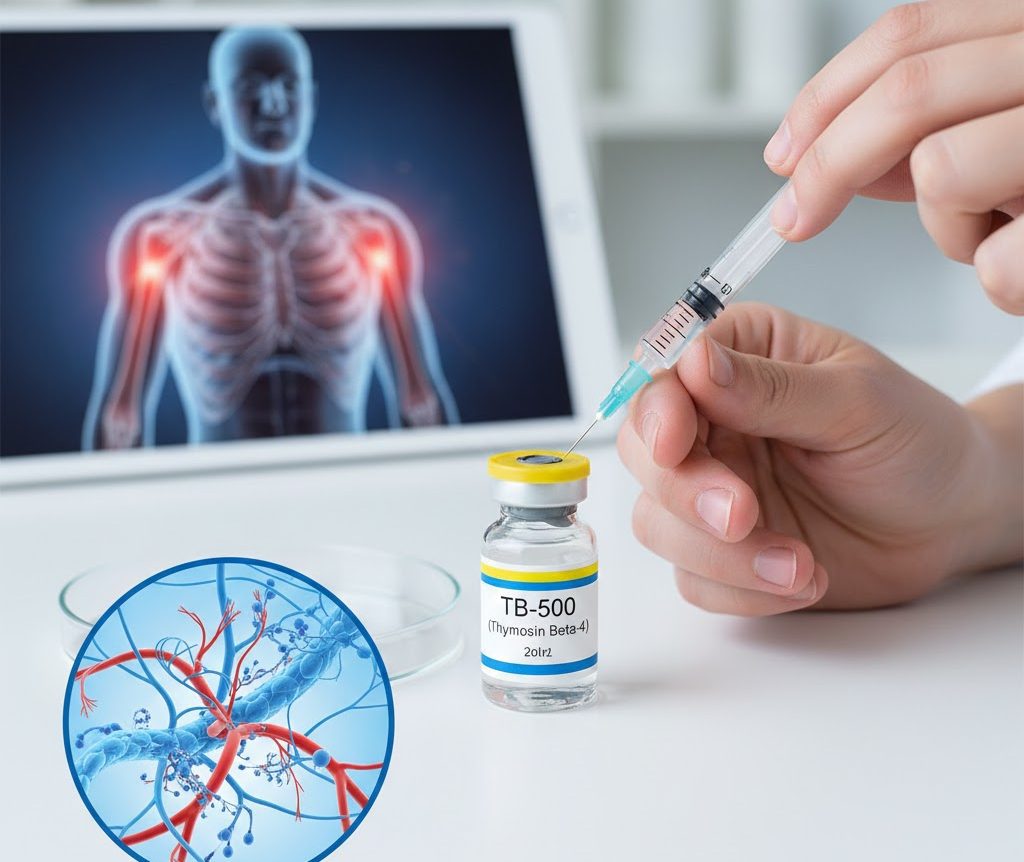
This article explores the specific physiological mechanisms of TB-500, detailing how it interacts with your body to facilitate rapid repair and the biological risks involved.

1. The Primary Mechanism: Actin Sequestration

To understand what TB-500 does to your body, you must first understand actin.

Actin is a protein that makes up the cytoskeleton—the internal scaffolding that gives cells their shape and structure. It is vital for cell movement (motility) and division. In a healthy body, actin exists in two states: “free” monomers (G-actin) and polymerized filaments (F-actin).

Image of actin filament polymerization
Actin filament polymerization

The Physiological Impact: TB-500 functions as a major actin-sequestering molecule. When you inject it, it binds to free actin monomers and acts as a reservoir.

  • The Buffer: It prevents actin from polymerizing prematurely, creating a massive stockpile of “raw materials” for cell construction.
  • The Release: When tissue is damaged, TB-500 releases this stored actin directly to the injury site.

Imagine a construction site where the workers usually have to wait for bricks to be manufactured one by one. TB-500 essentially delivers a pallet of 10,000 bricks directly to the site. This availability allows cells to rebuild their structure and close wounds at a speed that is significantly faster than the body’s natural baseline.

2. Angiogenesis: Growing New Blood Vessels

One of the most profound physical changes TB-500 induces in the body is angiogenesis—the growth of new blood capillaries from existing vessels.

This is particularly critical for avascular tissues like tendons and ligaments (e.g., the rotator cuff, Achilles tendon, or patellar tendon). These white tissues naturally have very poor blood supply, which is why tendonitis can linger for months or years. They simply cannot get the nutrients required to heal.

How TB-500 Changes This: By upregulating Vascular Endothelial Growth Factor (VEGF), TB-500 signals endothelial cells (the lining of blood vessels) to proliferate.

  • Vascularization: Over a cycle of 4-6 weeks, new microscopic capillaries begin to form around the injury site.
  • Nutrient Delivery: This increased vascular density floods the injured area with oxygen, amino acids, and repair factors, effectively turning a “slow-healing” zone into a metabolically active one.

3. Cellular Migration: Mobilizing the Workforce

Healing is a logistical challenge. For a tear to mend, healthy cells must physically move from the surrounding tissue into the gap of the injury. This process is called chemotaxis.

TB-500 acts as a powerful chemoattractant. It changes the chemical signaling environment of your body to make cells more mobile.

  • Keratinocytes: It signals skin cells to migrate faster, closing surface wounds and surgical incisions rapidly.
  • Stem Cells: Research suggests TB-500 can mobilize progenitor cells from the bone marrow, directing them to navigate through the bloodstream to the site of trauma.

In simple terms, TB-500 doesn’t just provide the materials (actin); it also shouts through a megaphone, telling the body’s repair cells exactly where to go and helping them get there faster.

4. Reducing Scar Tissue (Anti-Fibrotic Action)

When the body heals a muscle tear naturally, it often does a “rush job.” Instead of laying down organized muscle fibers, it deposits Type III Collagen—a disorganized, stiff web we know as scar tissue. This scar tissue is weaker than the original muscle and prone to re-injury.

The Physiological Shift: TB-500 modulates inflammation by downregulating specific cytokines (like TGF-beta) that trigger fibrosis.

  • Organized Repair: It encourages the deposition of Type I Collagen in a linear, parallel fashion.
  • Pliability: The result is healed tissue that is flexible and functional, rather than a stiff knot. Users often report that old injuries feel “looser” and less restricted after a cycle.

5. Systemic Effects: Beyond the Injection Site

A common misconception is that TB-500 works locally—that you must inject it directly into the injured shoulder or knee. Physiologically, this is incorrect.

TB-500 is a low molecular weight peptide. Once injected subcutaneously (usually into belly fat), it enters the bloodstream and becomes systemic. It circulates through the entire body, but it only “activates” where it finds damaged tissue signals.

  • Whole-Body Repair: This means a single injection can simultaneously work on a torn pec, a strained hamstring, and gum inflammation. It is a non-discriminatory repair signal.

6. The Risks: The “Cancer Hypothesis”

The physiological power of TB-500 is not without significant risk. The exact mechanisms that make it a miracle for healing—angiogenesis, cell migration, and cell survival—are the same mechanisms utilized by cancer.

  • The Theory: While there is no evidence that TB-500 causes cancer (it is not a mutagen), it could theoretically act as “fertilizer” for an existing tumor.
  • The Mechanism: If you have an undiagnosed micro-tumor, the increased blood vessel growth (angiogenesis) provided by TB-500 could allow that tumor to grow rapidly. Furthermore, the enhanced cell migration could theoretically assist cancer cells in spreading (metastasis) to other parts of the body.

For this reason, TB-500 is considered a high-risk compound for anyone with a history of cancer or those who have not had recent cancer screenings.

Infographic titled What Does TB-500 Do To Your Body detailing mechanisms and risks
A visual breakdown of the four primary regenerative mechanisms of Thymosin Beta-4 and the critical safety considerations regarding tumor growth.

Conclusion

So, what does TB-500 do to your body? It effectively places your system into a state of hyper-recovery. By saturating cells with actin, forcing the growth of new blood vessels, and directing repair cells to move efficiently, it bypasses the body’s natural “speed limits” on healing.

However, this biological override comes with the responsibility of understanding that “growth” is not always positive. The same pathways that repair a tendon can potentially feed a tumor. As a research chemical, TB-500 offers a glimpse into the future of medicine, but currently, it remains an experimental tool with a powerful—and double-edged—physiological impact.

: Split-screen illustration titled "The Semaglutide Effect" comparing a brain experiencing "Food Noise" and hunger signals on the left against a brain experiencing "Satiety & Quiet" on the right due to GLP-1 receptor activation.

How does Semaglutide help you lose weight?

In the last few years, the landscape of weight loss has shifted seismic plates. For decades, the prevailing advice was a variation of “eat less, move more”—a model that framed obesity almost exclusively as a failure of willpower. But the meteoric rise of Semaglutide (sold under brand names like Ozempic, Wegovy, and Rybelsus) has fundamentally changed that conversation.

It is no longer just about calories in versus calories out; it is about hormones, signaling pathways, and the biological architecture of hunger.

Semaglutide is not a stimulant, a fat burner, or a diuretic. It is a peptide that hacks the body’s own satiety system. But how exactly does a weekly injection cause people to lose 15% to 20% of their body weight? The answer lies in a complex interplay between the gut, the brain, and the pancreas.

Infographic explaining how Semaglutide rewires metabolism for weight loss
A step-by-step visual guide explaining the four key biological mechanisms by which Semaglutide promotes sustainable weight loss.

1. The Biological Mimic: Understanding GLP-1

To understand Semaglutide, you have to understand the hormone it copies: Glucagon-Like Peptide-1 (GLP-1).

Under normal conditions, when you eat a meal, your intestines release a cascade of hormones. One of the most important is GLP-1. This hormone travels through the bloodstream and acts as a biological messenger, delivering a “fed state” signal to various organs. It tells the pancreas to release insulin, tells the liver to stop dumping sugar into the blood, and tells the brain that you have had enough to eat.

The Problem with Nature: Natural GLP-1 is incredibly short-lived. It has a half-life of only 1 to 2 minutes before it is broken down by an enzyme called DPP-4. It provides a brief signal of fullness, and then it vanishes.

The Semaglutide Solution: Semaglutide is a synthetic agonist (mimic) of GLP-1. However, it has been chemically modified to survive the DPP-4 enzyme. Instead of lasting two minutes, Semaglutide has a half-life of approximately one week. This means that once injected, it keeps the body in a state of heightened “fullness signaling” 24 hours a day, 7 days a week, rather than just for a few minutes after a meal.

2. Mechanism I: The Hypothalamus (The Hunger Switch)

The most profound effect of Semaglutide occurs in the brain. The drug crosses the blood-brain barrier and binds to GLP-1 receptors in the hypothalamus, the control center for appetite and metabolism.

Within the hypothalamus, there are two primary sets of neurons that regulate weight:

  • POMC Neurons: These are the “brake pedal.” When activated, they suppress appetite and increase energy expenditure.
  • AgRP Neurons: These are the “gas pedal.” When activated, they trigger intense hunger and food-seeking behavior.

Semaglutide essentially keeps its foot on the brake. By stimulating the POMC neurons and inhibiting the AgRP neurons, it drastically lowers the body’s “hunger baseline.” Users often report forgetting to eat or feeling satisfied after consuming portions that are half the size of what they previously ate. It physically limits the desire for food before the first bite is even taken.

3. Mechanism II: Delayed Gastric Emptying

While the brain effect reduces the desire to eat, the gastric effect reduces the ability to overeat.

GLP-1 receptors are highly concentrated in the stomach. When Semaglutide binds to these receptors, it slows down gastric motility—the muscular contractions that push food from the stomach into the small intestine.

Normally, the stomach might empty a meal in 1 to 2 hours. On Semaglutide, this process is significantly decelerated. Because food remains in the stomach for a much longer duration, physical distension is maintained. This sends a prolonged mechanical signal of fullness to the brain via the vagus nerve.

This mechanism is why overeating on Semaglutide can be physically painful. If a user attempts to eat their pre-drug portion sizes, the food has nowhere to go, leading to nausea, bloating, and vomiting.

4. Mechanism III: The “Food Noise” Silencer

Perhaps the most fascinating—and least understood—aspect of Semaglutide is its psychological impact. Many people living with obesity describe a phenomenon known as Food Noise.

What is Food Noise? It is the constant intrusive mental chatter about food: What am I eating for lunch? Is there leftover cake in the breakroom? I shouldn’t have eaten that. When is dinner?

Semaglutide appears to affect the brain’s dopaminergic reward system (the mesolimbic pathway). This is the same pathway involved in addiction. By dampening the dopamine spike associated with palatable foods, Semaglutide turns the volume down on food noise.

Users report that food becomes neutral. A slice of pizza looks like a slice of pizza, not a source of comfort or excitement. This liberation from obsessive food thoughts allows people to make dietary choices based on logic rather than compulsion.

5. Mechanism IV: Metabolic Regulation (Insulin & Glucagon)

While weight loss is the headline, Semaglutide was originally designed for Type 2 Diabetes, and its metabolic effects are critical for fat loss.

  • Insulin Secretion: It stimulates the pancreas to release insulin only when blood sugar is high. Insulin helps usher glucose into cells to be used for energy.
  • Glucagon Suppression: It inhibits the release of glucagon, a hormone that tells the liver to release stored sugar into the bloodstream.

By stabilizing blood sugar levels, Semaglutide prevents the spikes and crashes that often drive sugar cravings. When blood sugar remains stable, energy levels stay consistent and the body is less likely to trigger emergency hunger signals.

6. The Clinical Reality: Results vs. Risks

Semaglutide is not magic; it is a tool that amplifies the effects of a caloric deficit.

The Efficacy Data: In the landmark STEP trials, participants taking 2.4 mg weekly lost an average of 14.9% of their body weight over 68 weeks, compared to just 2.4% in the placebo group.

The Side Effect Profile:

  • GI Distress: Because it slows the stomach, nausea, vomiting, diarrhea, and constipation are common.
  • Muscle Loss (Sarcopenia): Rapid weight loss often includes muscle loss without adequate protein and resistance training.
  • “Ozempic Face”: Rapid facial fat loss can create a gaunt or aged appearance.
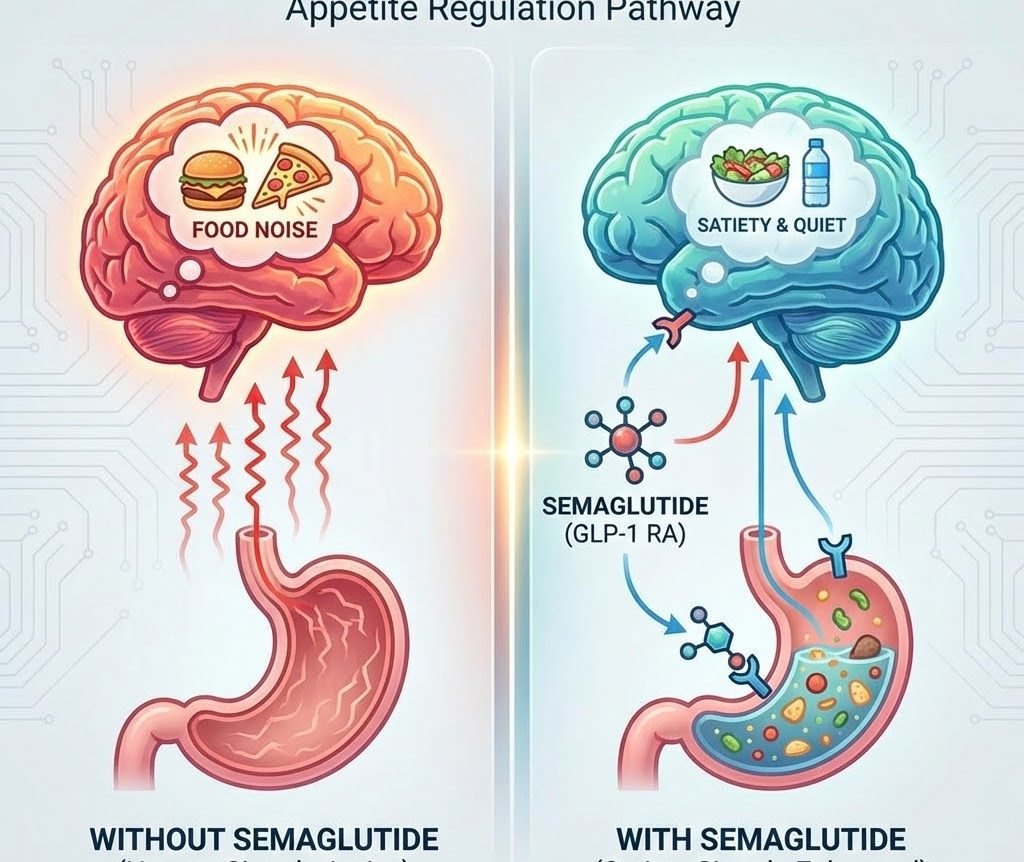
Illustration comparing hunger signals versus satiety with Semaglutide
A visual comparison of the brain-gut axis showing how Semaglutide shifts the body from hunger signaling to biological satiety.

7. The “Set Point” Theory and Long-Term Use

The Set Point Theory suggests the body fights to maintain a certain weight range. When you diet, metabolism slows and hunger hormones increase.

Semaglutide appears to lower this set point, convincing the body it is safe to release stored energy without triggering starvation alarms.

The Rebound Trap: However, current data suggests Semaglutide is a treatment rather than a cure. When the drug is discontinued, gastric emptying speeds up and food noise often returns. Many users regain up to two-thirds of lost weight within a year.

Conclusion

Semaglutide helps people lose weight not by burning fat directly but by altering the signals the brain receives about hunger and energy balance. It creates a physiological environment where eating less feels natural rather than forced. By synchronizing the gut and brain, it bridges the gap between biological drive and behavioral intent.

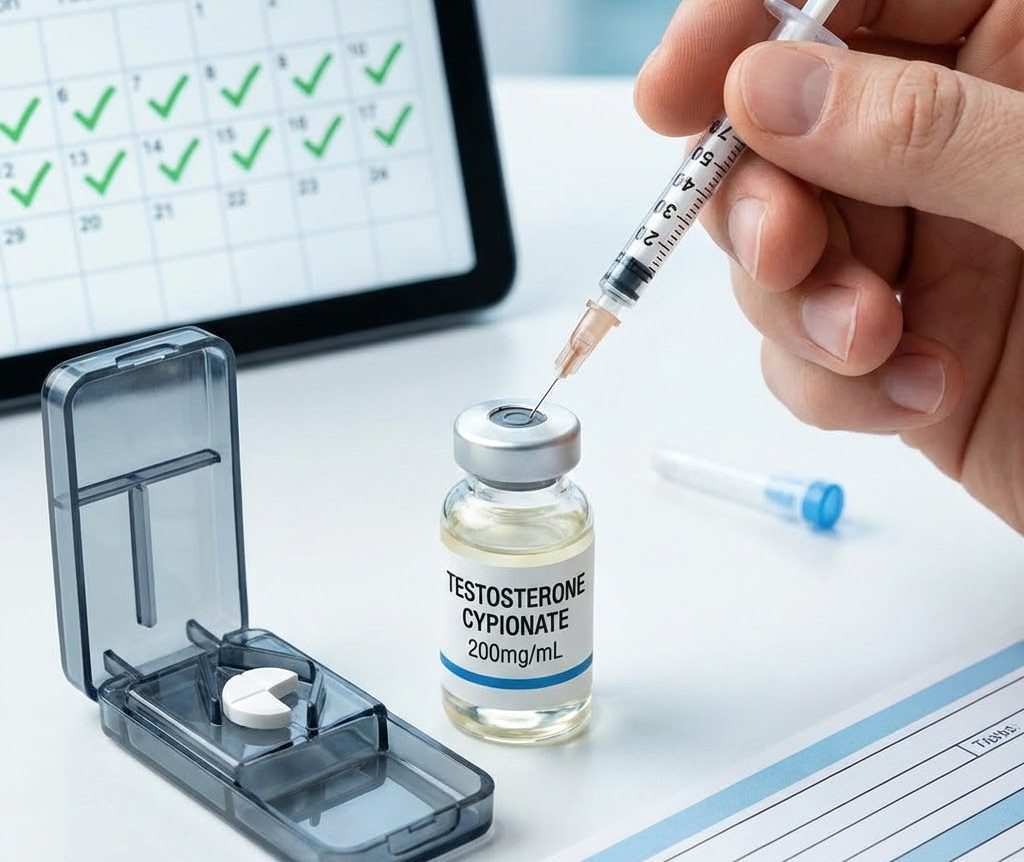
Close-up of a person drawing Testosterone Cypionate into a syringe next to a calendar with daily checkmarks and a pill organizer.

Can You Microdose Steroids?

In the modern era of performance enhancement, the conversation has shifted. The days of “more is better”—characterized by the mass monsters of the 90s and aggressive megadosing—are increasingly being replaced by the biohacker’s philosophy: “minimum effective dose.” This shift has popularized the concept of microdosing across various substances, from psychedelics to nootropics. Naturally, this trend has bled into the world of anabolic-androgenic steroids (AAS).

The question “Can you microdose steroids?” is common among fitness enthusiasts seeking a slight edge without the aggressive side effects of a full “blast.” However, the answer is complex. Unlike microdosing psilocybin, where the goal is a sub-perceptual effect, microdosing hormones interacts with a rigid biological feedback loop that changes the rules of the game.

This article explores the physiological reality of low-dose steroid use, distinguishing between effective hormone management and biological counter-productivity.

Close-up of a person drawing Testosterone Cypionate into a syringe next to a calendar with daily checkmarks and a pill organizer.
Daily micro-injections require a disciplined schedule to maintain stable blood plasma levels.

Defining “Microdosing” in the Context of Hormones

To understand if you can microdose steroids, we must first define what that means in an endocrinological context.

In the world of psychedelics, a microdose is typically 1/10th of a recreational dose—enough to stimulate neural pathways without causing hallucinations. In the world of anabolic steroids, the term is used loosely to describe two very different protocols:

  1. Low-Dose Administration: Taking a very small total amount of a drug (e.g., 5mg of Dianabol) to get a slight acute boost.
  2. High-Frequency Administration: Taking a standard dose (e.g., 150mg of Testosterone per week) but splitting it into tiny, daily injections (micro-injections) to achieve perfectly stable blood levels.

The efficacy of “microdosing” depends entirely on which of these two definitions you are applying and whether you are male or female.

The Biological Barrier: The HPTA Feedback Loop

The primary argument against “microdosing” steroids (in the sense of taking tiny total amounts) is the Hypothalamic-Pituitary-Testicular Axis (HPTA).

The male body produces testosterone naturally—typically between 3mg and 10mg per day, depending on genetics and age. This production is regulated by a negative feedback loop. When your brain detects any exogenous (external) androgen in the bloodstream, it signals the testes to stop producing natural testosterone.

This creates a “threshold problem.” If a man decides to “microdose” testosterone by taking 50mg per week (approx. 7mg per day), he is essentially shutting down his natural production of ~7mg/day to replace it with… 7mg/day of synthetic testosterone.

In this scenario, the user gains zero anabolic advantage. In fact, due to the weight of the ester (the chemical attached to the testosterone), 50mg of synthetic testosterone might yield less active hormone than his body was producing naturally. The result is “chemical castration” without the benefits: shut down natural production, potential testicular atrophy, and no performance enhancement to show for it.

The Verdict: For men, you cannot “microdose” steroids in the sub-physiological sense. You must at least meet your body’s natural requirements (replacement) before you see any benefit.

The Valid Approach: Frequency Microdosing (Daily Injections)

While taking tiny amounts is often futile for men, frequency microdosing is a highly effective, scientifically supported protocol. This involves taking a standard TRT (Testosterone Replacement Therapy) or “Sports TRT” dose and dividing it into daily subcutaneous administrations using an insulin needle.

Why Microdose Frequency? Standard protocols might call for one large 200mg injection per week. This causes a massive spike in hormone levels within 24 hours (supraphysiological), followed by a steady decline to low levels (sub-physiological) by day 7.

  • The Spike: High peaks lead to higher conversion into Estrogen (aromatization), causing acne, water retention, and mood swings.
  • The Trough: Low valleys lead to fatigue and irritability before the next shot.

By microdosing that same 200mg into roughly 28mg per day:

  1. Stable Levels: You mimic the body’s natural daily pulsatile release.
  2. Reduced Side Effects: You avoid the massive peaks that trigger excessive estrogen conversion, often eliminating the need for an Aromatase Inhibitor (AI).
  3. Hematocrit Management: Smaller, frequent doses place less stress on the blood, preventing the thickening of blood (high hematocrit) often seen with large bolus injections.

In this context, “microdosing” is not about taking less drug; it is about taking the drug smarter.

Microdosing for Women: A Different Reality

While microdosing is biologically tricky for men due to the replacement threshold, it is the standard and safest method for female athletes.

Women are incredibly sensitive to androgens. A dose that would do nothing for a man can completely transform a female physique. For women, “microdosing” is not a hack; it is a necessity to avoid virilization (development of male characteristics like voice deepening and hair growth).

  • Anavar (Oxandrolone): A standard male dose might be 50mg/day. A “microdose” of 2.5mg to 5mg/day for a woman is highly effective for muscle retention and fat loss with minimal risk.
  • Primobolan: Micro-doses of injectable Primobolan are often used by female competitors to build lean tissue slowly.

For women, the line between “microdosing” and a “full cycle” is often just a few milligrams.

Orals and Pre-Workout Microdosing

Another form of microdosing popular in the biohacking community involves the use of short-acting oral steroids or nootropic-like androgens solely on training days.

1. Dianabol or Anadrol: Some powerlifters “microdose” 10mg of Dianabol only on heavy squat days (pre-workout).

  • The Goal: To utilize the acute non-genomic effects of the steroid—immediate aggression, neurological drive, and increased glycogen availability—without maintaining high chronic blood levels.
  • The Reality: While this can provide a temporary strength boost, it still stresses the liver and can confuse the HPTA axis, leading to hormonal fluctuations that may cause libido issues or mood instability.

2. Proviron (Mesterolone): Proviron is unique. It is an oral androgen that doesn’t suppress testosterone as heavily as others. Some men “microdose” 25mg/day to lower SHBG (Sex Hormone Binding Globulin), thereby “freeing up” their natural testosterone to be more effective. This is one of the few instances where adding a small amount of an exogenous compound can enhance the body’s natural state without fully replacing it.

The “Sports TRT” Phenomenon

A major confusion in the “microdosing” discussion is the concept of “Sports TRT.”

  • True TRT: 100mg – 150mg Test/week. (Puts you in the normal human range: 500-900 ng/dL).
  • Sports TRT: 200mg – 250mg Test/week. (Puts you slightly above normal: 1200-1500 ng/dL).
  • The Blast: 500mg+ Test/week.

Many athletes claim they are “microdosing” when they are actually running “Sports TRT.” They maintain slightly supraphysiological levels year-round. The Benefit: This approach allows for slow, steady muscle accrual that is easier to keep long-term compared to the “blow up and deflate” cycle of traditional blasting. The Risk: Even though the dose is low, you are essentially on a permanent cycle. The long-term risks to cholesterol, heart health, and prostate health are lower than a blast, but higher than being natural.

The Risks of Microdosing Steroids

If you decide to experiment with low-dose AAS, you must understand the specific risks involved. It is not necessarily “safer” just because the dose is low.

1. The “Limbo” State: Taking a dose that is too low can leave you with testosterone levels lower than when you started.

2. Fertility Issues: Even small doses of exogenous testosterone can reduce sperm count to zero.

3. False Security: Users may skip blood work because “it’s only a small dose,” even though individual responses vary widely.

Infographic titled Can You Microdose Steroids comparing sub-physiological dosing vs frequency microdosing.
A visual breakdown of the difference between ineffective low dosing and optimized frequency microdosing.

Conclusion: Is It Worth It?

Can you microdose steroids?

  • If you mean taking tiny amounts to get a boost without shutdown: Generally, No. The biology of the HPTA axis makes this counterproductive for men.
  • If you mean optimizing injection frequency: Yes. Daily micro-injections of therapeutic doses provide the most stable hormone levels.
  • If you are a woman: Yes. Microdosing is the safest way to use these compounds.

Ultimately, the concept of microdosing steroids is often a rebranding of Testosterone Replacement Therapy. For the healthy natural male with optimized hormones, introducing “micro” amounts of steroids offers a high risk of shutdown for a negligible reward. The most effective “microdose” for the average gym-goer remains a dialed-in diet, optimized sleep, and targeted supplementation like Creatine and Vitamin D.

Split-screen illustration showing a shelf with steroid vials labeled "Cool & Dark (Oils, Orals)" on the left, and an open mini-fridge with peptide vials labeled "Refrigerate (Peptides, HGH)" on the right, separated by warning icons for heat and light.

How To Store Steroids Properly

For any athlete or bodybuilder who has invested in performance-enhancing compounds, the procurement process is often seen as the hardest hurdle. Whether sourcing from a doctor for Hormone Replacement Therapy (HRT) or navigating the domestic market for performance needs, once the vials and blister packs arrive, a new challenge begins: preservation.

Proper storage is not merely about organization; it is a critical component of harm reduction and cycle efficacy. Anabolic steroids, peptides, and ancillary medications are chemical compounds susceptible to degradation. If mishandled, they can lose potency, causing your calculated dosages to become ineffective. Worse, improper storage can compromise the sterility of injectable products, leading to dangerous bacterial growth, abscesses, or systemic infections.

This comprehensive guide explores the science of storage, breaking down how to protect your investment against the four primary enemies of chemical stability: temperature, light, moisture, and contamination.

Split-screen illustration showing a shelf with steroid vials labeled Cool & Dark (Oils, Orals) on the left, and an open mini-fridge with peptide vials labeled Refrigerate (Peptides, HGH) on the right, separated by warning icons for heat and light.
Visual comparison distinguishing the room-temperature storage required for anabolic steroids versus the cold-chain storage required for fragile peptides.

The Four Enemies of Stability

To understand how to store these compounds, one must first understand what destroys them. Regardless of the specific drug—whether it is an oil-based injectable like Testosterone Enanthate or a fragile peptide like HGH—degradation occurs through chemical reactions triggered by the environment.

  1. Heat: Excessive heat increases the kinetic energy of molecules, accelerating chemical breakdown. For proteins (like HGH), heat can cause denaturation, permanently destroying the molecule’s shape and function. For oils, it can lead to oxidation.
  2. Light (UV Radiation): Ultraviolet light is a catalyst for photo-oxidation. Direct sunlight can break the chemical bonds within the steroid hormone, rendering it inert. This is why pharmaceutical-grade injectables almost always come in amber-coloured glass vials—to filter out UV rays.
  3. Moisture (Humidity): For oral tablets and capsules, moisture is the enemy. It can cause pills to crumble or dissolve prematurely. For injectables, humidity is a sterility risk; moisture promotes the growth of bacteria and mold on rubber stoppers and in storage containers.
  4. Oxygen: Oxidation is a slow process that turns potent compounds into useless byproducts. Ensuring airtight seals is critical for long-term storage.

Storing Injectable Anabolic Steroids (Oil-Based)

Oil-based steroids—such as Testosterone Cypionate, Trenbolone, and Deca-Durabolin—are the most resilient category of performance enhancers. The hormone is suspended in a carrier oil and typically preserved with benzyl alcohol and benzyl benzoate. This chemical environment is hostile to bacteria and stable at room temperature.

The Ideal Environment: Store oil-based injectables in a cool, dark, and dry place. A bedroom closet, a high shelf in a pantry, or a dedicated lockbox are ideal locations. The temperature should remain relatively stable, ideally between 15°C to 25°C (59°F to 77°F).

The Fridge Myth: Do not store oil-based steroids in the refrigerator. Cold temperatures increase the viscosity of the carrier oil, making it thick and difficult to draw into a syringe. Low temperatures can also cause the hormone to crystallize.

Dealing with “Crashed” Gear: “Crashing” occurs when the hormone separates from the oil and forms visible crystals at the bottom of the vial.

  • Is it ruined? No. Crystallized gear is safe to use once fixed.
  • The Fix: Create a warm water bath. Boil water, remove it from the heat, and let it cool slightly until hot but not boiling. Place the vial in the water (below the rubber stopper) for 10–15 minutes and swirl gently.

Storing Water-Based Injectables

Water-based suspensions such as Winstrol Depot or Testosterone Suspension are more fragile than oil-based compounds and are more susceptible to bacterial growth.

Storage Protocol:

  • Temperature: These can tolerate refrigeration and some users prefer it to inhibit bacterial growth, though cool room temperature is acceptable.
  • Agitation: Powder will settle at the bottom during storage. This is normal.
  • Risk Factor: If storing for several months, inspect carefully before use. Cloudiness or organic-looking particles may indicate contamination.

The Cold Chain: Peptides and HGH

Human Growth Hormone (HGH) and peptides such as BPC-157, TB-500, and Melanotan II are delicate amino acid chains held together by peptide bonds that can easily break from heat or shaking.

Lyophilized (Powder) State:

  • Short-term: Can remain at room temperature in a dark place for 1–2 months.
  • Long-term: Store in the refrigerator between 2°C and 8°C. Freezing is acceptable for very long-term storage if sealed properly.

Reconstituted (Liquid) State:

  • The Golden Rule: Must be refrigerated at all times.
  • Shelf Life: Typically 14–28 days.
  • Fragility: Never freeze or shake the vial. Gently swirl instead.

Storing Oral Steroids

Oral compounds such as Anavar, Dianabol, Anadrol, and Clenbuterol are relatively stable.

The Bathroom Mistake: Bathrooms experience frequent humidity and temperature fluctuations which degrade tablets.

Best Practices:

  • Desiccants: Keep silica packets inside the bottle.
  • Location: Store in a drawer or cupboard away from heat sources.
  • Loose Pills: Transfer loose tablets to airtight containers.

Safety, Security, and Stealth

Proper storage also involves responsible ownership.

Child and Pet Safety:

  • The Protocol: Use a lockbox or store on a high inaccessible shelf.

Discretion:

  • Hiding Spots: Empty supplement containers can serve as discreet storage.
  • The Fridge: Store peptides in opaque containers if using a shared refrigerator.

Expiration Dates

Pharmaceutical products typically have expiration dates 2–3 years after manufacture.

  • The Reality: Expiration dates indicate guaranteed potency rather than immediate safety concerns.
  • Underground Labs: Assume approximately 2 years for oils and 1 year for water-based compounds.
  • Carrier Oil Rancidity: If the oil smells foul or rancid, discard it.
Infographic titled How To Store Performance Compounds Properly showing cool dark storage for oils and orals and refrigerated storage for peptides and HGH.
A quick reference guide summarizing optimal storage conditions.

Summary Checklist for Storage

  1. Oils: Room temperature, dark, dry. Do not refrigerate.
  2. Orals: Airtight container away from humidity.
  3. Peptides/HGH (Powder): Cool dark place or refrigerator.
  4. Peptides/HGH (Liquid): Refrigerate and use within four weeks.
  5. Ancillaries: Store like oral tablets.
  6. Syringes/Needles: Keep sealed until use.

Conclusion

The efficacy of a cycle begins with how compounds are stored. Protecting them from heat, light, moisture, and contamination ensures that each dose remains potent and sterile.

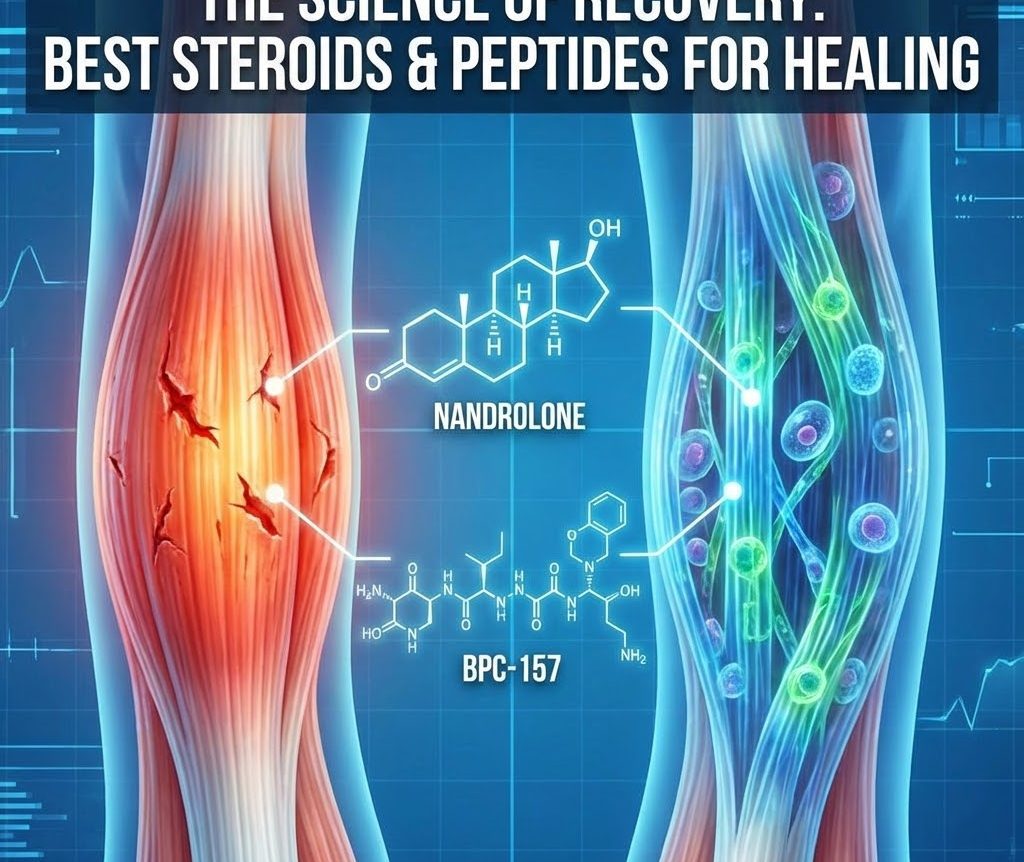
Medical illustration showing damaged muscle tissue being repaired, overlaid with chemical structures of Nandrolone and BPC-157.

Best Steroids for Healing

In the high-impact world of sports and bodybuilding, injury is not a matter of “if,” but “when.” For decades, the conversation around performance-enhancing drugs (PEDs) focused almost exclusively on muscle hypertrophy (growth) and strength. However, a quiet revolution has occurred in the background: the use of specific compounds not to build muscle, but to heal it.

When users search for the “best steroids for healing,” they are often looking for solutions to chronic tendonitis, muscle tears, or post-surgical recovery. Medically, certain Anabolic-Androgenic Steroids (AAS) and peptides have documented regenerative properties.

This guide explores the pharmacology behind these compounds, distinguishing between hormonal agents that increase collagen synthesis and signaling peptides that accelerate cell migration.

Medical illustration showing damaged muscle tissue being repaired, overlaid with chemical structures of Nandrolone and BPC-157.
Visualizing the pharmacology of repair: How specific compounds interact with muscle fibers to accelerate recovery from injury.

The Physiology of Repair: Collagen and Nitrogen

To understand how drugs can accelerate healing, we must first understand what “healing” means at a cellular level. Soft tissue injuries—whether to ligaments, tendons, or muscle fibers—require specific biological resources to repair:

  1. Collagen Synthesis: Collagen is the structural protein that makes up connective tissue. Increasing the rate of collagen synthesis strengthens tendons and ligaments.
  2. Nitrogen Retention: A positive nitrogen balance is essential for protein synthesis, allowing the body to repair muscle tissue faster than it breaks down.
  3. Anti-Inflammatory Action: While some inflammation is necessary for the healing signal, chronic inflammation prevents tissue remodeling.

While many look for general solutions, specific compounds target these pathways differently. For a broader overview of these agents, you can explore our resources on the Best Steroids and Peptides for Healing.

1. Nandrolone (Deca-Durabolin): The Joint Lubricator

Among anabolic steroids, Nandrolone (often sold as Deca-Durabolin or Nandrolone Phenylpropionate) holds a unique status. It is widely regarded in clinical and athletic circles as the superior compound for joint relief.

The Mechanism

Nandrolone is clinically documented to significantly increase collagen synthesis. Studies have shown that it acts on the fibroblasts—the cells responsible for creating connective tissue. Furthermore, anecdotal evidence and some clinical data suggest it increases the production of synovial fluid, the “oil” that lubricates the joints.

Medical Context

Historically, Nandrolone has been prescribed to treat wasting diseases and osteoporosis due to its ability to increase bone mineral density. In a performance context, athletes with “dry” joints or chronic tendonitis often utilize low doses of Deca Durabolin to improve comfort during heavy training.

  • The Caveat: While it masks pain and aids soft tissue, Nandrolone can suppress natural testosterone production severely. It acts as a “band-aid” for pain, which can sometimes lead athletes to train through an injury that requires rest, potentially causing worse damage.

2. Oxandrolone (Anavar): The Burn Victim’s Miracle

Oxandrolone is unique among oral steroids. While many orals inhibit collagen synthesis (making tendons brittle), Anavar has the opposite effect.

The Mechanism

Oxandrolone was famously studied and prescribed for the recovery of burn victims. Its primary medical application was to halt the catabolic state (muscle wasting) and speed up the healing of cutaneous (skin) and muscular trauma.

Research indicates that Oxandrolone significantly increases the synthesis of Type I and III collagen. This makes it one of the few steroids that may actually strengthen tendons rather than just the muscle belly. This unique property makes it a compound of interest for those looking to buy steroids in Canada specifically for rehabilitation rather than sheer mass.

3. Human Growth Hormone (HGH): The Systemic Regenerator

While not a steroid, Human Growth Hormone (HGH) is perhaps the most powerful tool in the pharmacopeia for systemic recovery.

The Mechanism

HGH works by signaling the liver to produce Insulin-Like Growth Factor 1 (IGF-1). This hormone is responsible for cell proliferation and regeneration across nearly every tissue type in the body, including cartilage, bone, and skin.

Unlike steroids, which primarily affect muscle protein synthesis, HGH can stimulate the hyperplasia (splitting and growing) of cells. This is crucial for cartilage injuries, which notoriously heal poorly due to low blood flow. By increasing systemic IGF-1 levels, HGH provides a “fertilizer” effect for tissue repair.

4. The Peptide Revolution: BPC-157 and TB-500

In recent years, the focus of injury recovery has shifted away from traditional steroids toward specific amino acid chains known as peptides. These compounds offer targeted healing with fewer androgenic side effects.

BPC-157 (Body Protection Compound)

Derived from a protein found in human gastric juice, BPC-157 is renowned for its angiogenic properties—it promotes the formation of new blood vessels.

  • Why it Matters: Tendons and ligaments have poor blood supply, which is why they heal slowly. BPC-157 helps overcome this biological bottleneck by increasing blood flow to the injured site. It acts locally and systematically to accelerate the repair of soft tissue.
  • Dosing Precision: Because peptides work on specific signaling pathways, accuracy is key. Users often utilize a BPC-157 Dosage Calculator to ensure they are administering the correct microgram amount for their specific injury type.

TB-500 (Thymosin Beta-4)

TB-500 is a synthetic version of the naturally occurring protein Thymosin Beta-4.

  • The Mechanism: Its primary function is to upregulate actin, a cell-building protein. This improves cell migration, essentially allowing healthy cells to travel to the site of injury faster.
  • Synergy: TB-500 is often paired with BPC-157. While BPC creates the “road” (blood vessels), TB-500 provides the “vehicles” (cells) to repair the damage.

5. The Corticosteroid Trap: A Warning

It is vital to distinguish anabolic steroids (discussed above) from corticosteroids (like cortisone shots).

When you visit a doctor for joint pain, they often administer a corticosteroid. These are powerful anti-inflammatories that kill pain immediately. However, they are catabolic—they actually break down tissue. Repeated cortisone shots can weaken tendons and lead to ruptures. In contrast, anabolic agents generally promote tissue synthesis. This distinction is critical for anyone researching long-term healing strategies.

Infographic comparing the healing mechanisms of steroids like Nandrolone and Oxandrolone versus peptides like BPC-157 and TB-500.
A side-by-side comparison of Anabolic Steroids (AAS) and non-steroidal peptides used for tissue repair, detailing their specific medical applications and risks.

Risks and Harm Reduction

While the regenerative properties of these compounds are documented, they are not without risk. This is a “Your Money or Your Life” (YMYL) topic because the misuse of these potent agents can lead to long-term health consequences.

  • Hormonal Suppression: Even “mild” compounds like Anavar or therapeutic doses of Nandrolone will suppress natural testosterone production, necessitating Post Cycle Therapy (PCT).
  • Cancer Risk: Compounds that increase cell proliferation (like HGH and TB-500) can theoretically accelerate the growth of existing tumors. They do not cause cancer, but they may act as fuel for it.
  • Legal Status: In Canada and many other jurisdictions, anabolic steroids and HGH are controlled substances.

Conclusion

The search for the “best steroid for healing” often leads athletes down a complex path of pharmacology. While traditional anabolic agents like Nandrolone and Oxandrolone offer robust collagen synthesis and joint lubrication, the modern landscape is increasingly dominated by peptides like BPC-157 and TB-500 due to their targeted nature and lack of androgenic side effects.

Recovery is a multi-faceted process. Pharmacological intervention is merely one tool, and it should never replace physical therapy, rest, and proper nutrition. For those seeking to understand the specific protocols used in regenerative medicine, utilizing tools like our Peptide Dosage Calculators can provide insight into the precision required for these advanced therapies.

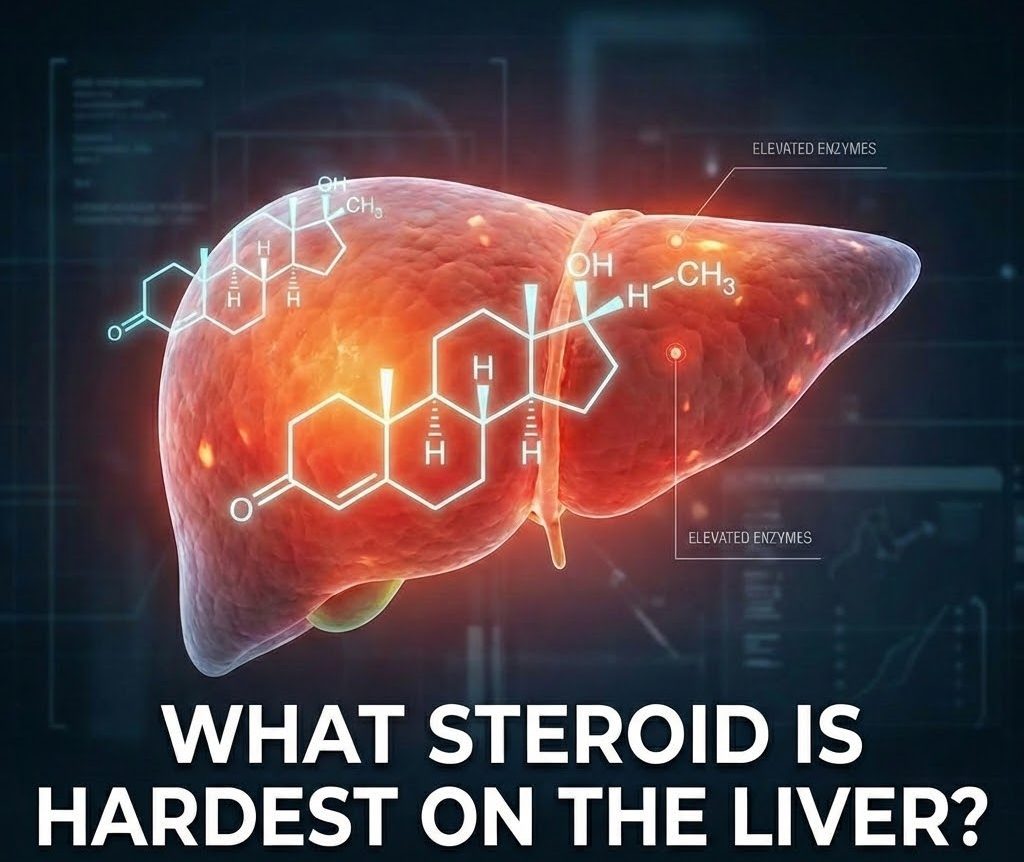
3D medical rendering of a human liver glowing with inflammation markers and overlaid with steroid chemical structures.

What Steroid Is Hardest on the Liver?

The liver is the body’s primary filtration system, responsible for metabolizing drugs, detoxifying blood, and synthesizing vital proteins. In the context of performance-enhancing drugs (PEDs), the liver is often the first organ to suffer significant damage.

When discussing Anabolic-Androgenic Steroids (AAS), the question “Which steroid is hardest on the liver?” is common. While individual responses vary based on genetics and existing health, certain compounds are chemically engineered in a way that makes them inherently more hepatotoxic than others.

To understand why some steroids destroy liver cells (hepatocytes) while others (like injectable testosterone) have minimal impact, we must first look at the chemistry of survival.

3D medical rendering of a human liver glowing with inflammation markers and overlaid with steroid chemical structures.
Metabolic stress visible: A visualization of how C-17 alpha-alkylated compounds cause inflammation and elevated enzymes within hepatic tissue.

The Mechanism: C-17 Alpha-Alkylation

Natural testosterone is quickly destroyed by the liver. If you were to swallow a pill of pure testosterone, the liver would break it down before it ever reached the bloodstream to exert an effect. This is known as the “first-pass metabolism.”

To bypass this defense mechanism, pharmaceutical chemists in the mid-20th century developed a process called C-17 Alpha-Alkylation (C17-aa). By adding an alkyl group (a methyl or ethyl group) to the 17th carbon position of the steroid molecule, the drug becomes resistant to hepatic breakdown.

This modification allows the steroid to survive the first pass through the liver and enter the bloodstream active. However, this survival comes at a steep price: the inability of the liver to break the substance down places immense metabolic stress on the organ. The steroid effectively acts as a cumulative toxin, causing inflammation, enzyme elevation, and potential cell death.

Almost all oral steroids (Dianabol, Anadrol, Winstrol) are C17-aa. However, among this group, a hierarchy of toxicity exists.

The Contenders for “Most Toxic”

While “toxicity” can be measured in different ways (mg per mg potency vs. total dosage load), three compounds consistently rank as the most destructive to hepatic health in medical literature and anecdotal case studies.

1. Fluoxymesterone (Halotestin)

If one were to identify the single harshest pharmaceutical-grade steroid on the liver, Halotestin is the frequent answer.

  • The Profile: Halotestin is an extremely potent androgen with very little anabolic (muscle-building) activity. It is primarily used in strength sports (powerlifting) or pre-contest bodybuilding to increase aggression and “hardness” without adding water weight.
  • The Toxicity: Halotestin is notorious because it impacts the liver severely even at very low dosages. While a user might take 50mg of Dianabol, a dose of just 10-20mg of Halotestin can cause a sharper spike in liver enzymes (ALT/AST). It is considered so toxic that clinical guidelines often limit its prescription use to very short windows, and it has largely fallen out of favor in general medicine.
  • The Consequence: Users often report rapid onset of lethargy and appetite suppression—early warning signs of liver strain—within days of starting use.

2. Methasterone (Superdrol)

Technically a “designer steroid,” Superdrol (Methyldrostanolone) was sold legally as a prohormone in the mid-2000s before being banned. Despite its legal past, it is widely regarded as one of the most hepatotoxic compounds ever sold.

  • The Profile: It is essentially an oral version of Masteron but with the C-17 modification. It creates massive, dry gains very quickly.
  • The Toxicity: Superdrol is infamous for causing cholestasis—a condition where the flow of bile from the liver stops. This leads to a buildup of bilirubin in the bloodstream, causing jaundice (yellowing of the skin and eyes). In the mid-2000s, emergency rooms saw a spike in young men with acute liver failure linked specifically to this compound.
  • The “MG” Factor: Like Halotestin, it is toxic at low doses. A “standard” dose of 10-20mg is often enough to elevate liver enzymes to dangerous levels within 2-3 weeks.

3. Oxymetholone (Anadrol)

Anadrol is often cited as the “king” of mass builders, but its reputation for liver damage is complex.

  • The Profile: Anadrol is used for adding sheer size and is arguably the most powerful oral for bulk.
  • The Toxicity Context: Unlike Halotestin or Superdrol, which are toxic mg-for-mg, Anadrol’s toxicity is often driven by the dosage size. Because Anadrol has a weak binding affinity, it is prescribed in massive doses compared to other steroids (50mg to 150mg per day).
  • The “Load” Theory: While the molecule itself might be slightly less toxic than Halotestin on a milligram basis, the fact that the liver must process 100mg of it daily (vs. 10mg of Halo) creates a massive metabolic burden. Long-term Anadrol use is strongly linked to Peliosis Hepatis (see below).

4. Methyl-Trienolone (Oral Trenbolone)

Though rarely seen and never medically approved for human use, Methyl-Trienolone deserves mention as perhaps the most toxic steroid conceptually. It is an oral version of Trenbolone. In clinical trials (for research), it was found to be so hepatotoxic that it was never released as a human drug. It is considered the absolute ceiling of liver toxicity, capable of causing jaundice in as little as a week.

Types of Liver Damage Caused by Steroids

It is important to understand that “liver damage” is not a single condition. Steroids cause specific pathologies.

1. Elevated Liver Enzymes (Transaminitis)

This is the most common and earliest sign. When liver cells are stressed or die, they leak enzymes (Alanine Transaminase [ALT] and Aspartate Transaminase [AST]) into the bloodstream.

  • What it means: High enzymes indicate inflammation. If the irritant (steroid) is removed, levels usually return to normal. If ignored, it leads to permanent scarring (cirrhosis).

2. Cholestasis

Common with Superdrol and Winstrol.

  • The Mechanism: The C17-aa steroids can inhibit the “bile salt export pump,” causing bile to stagnate in the liver rather than flowing into the digestive tract.
  • Symptoms: Intense itching (pruritus), dark urine, pale stools, and jaundice.

3. Peliosis Hepatis

This is a rare but potentially fatal condition strongly associated with Anadrol and long-term oral steroid use.

  • The Condition: Blood-filled cysts form within the liver tissue. Unlike solid tumors, these sacs are filled with blood.
  • The Danger: If these cysts rupture, they can cause catastrophic internal bleeding and liver failure.

4. Hepatic Adenomas

These are benign liver tumors. While not cancerous initially, they can grow large enough to rupture or, in rare cases, transform into Hepatocellular Carcinoma (liver cancer).

Why Injectables are Different

A common misconception is that all steroids hurt the liver. This is false.

Injectable bio-identical Testosterone (Cypionate, Enanthate) bypasses the first pass of the liver. It enters the bloodstream directly from the muscle tissue. While massive doses can cause minor stress, therapeutic or moderate doses of injectable testosterone generally have a negligible impact on liver values.

The danger arises almost exclusively when users introduce oral compounds or specific veterinary injectables (like Winstrol Depot) that are chemically structured to act like orals.

Infographic titled 'Hepatotoxicity Hierarchy' ranking the liver toxicity of steroids like Halotestin, Superdrol, and Anadrol versus Injectable Testosterone.
Understanding the hepatotoxicity hierarchy is crucial for risk management. This chart breaks down which compounds pose the highest “mg-for-mg” threat to liver function.

Harm Reduction and Medical Management

For those who choose to use these compounds despite the risks, harm reduction focuses on supporting the liver’s ability to filter toxins.

1. The “Zero Alcohol” Rule

Combining C17-aa steroids with alcohol is akin to pouring gasoline on a fire. Both compete for the same metabolic pathways. The combination exponentially increases the risk of acute liver failure.

2. Duration Limits

Clinical literature suggests that hepatotoxic agents should rarely be used for longer than 4 to 6 weeks. The popular “12-week oral cycle” is a recipe for severe cholestasis.

3. Supplementation (TUDCA & NAC)

  • TUDCA (Tauroursodeoxycholic Acid): This bile salt is the gold standard for cholestasis. It helps thin the bile and encourage flow, preventing the stagnation that leads to jaundice.
  • NAC (N-Acetyl Cysteine): As a precursor to glutathione, NAC helps replenish the liver’s antioxidant reserves, which are depleted by processing the steroid toxins.

4. Regular Blood Panels

You cannot “feel” liver enzymes rising until it is too late (jaundice). The only way to detect stress is through blood work monitoring ALT, AST, GGT, and Bilirubin levels.

Conclusion

When analyzing the hierarchy of hepatotoxicity, Halotestin and Superdrol generally claim the title for the most toxic compounds milligram-for-milligram, capable of causing rapid enzyme spikes and cholestasis. Anadrol follows closely due to the sheer volume of substance the liver must process.

However, the “hardest” steroid on the liver is ultimately the one taken without respect for physiology. Even milder compounds like Anavar (Oxandrolone) can cause damage if taken at high doses for months on end.

The liver is resilient and can regenerate, but it is not invincible. The physiological cost of oral anabolic steroids is a debt that must eventually be paid, often in the form of scarring, cysts, or chronic dysfunction. For this reason, the medical community universally advises against the non-therapeutic use of C17-alpha-alkylated androgens.

buy hgh online in canada

Buying HGH Online in Canada at Forged Pharma

If you’re considering buying HGH online in Canada, it’s crucial to understand what you’re getting, where to buy it safely, and how to use it properly. This guide breaks down everything you need to know—from what HGH actually is to why Forged Pharma is the most trusted source for Canadian athletes and fitness enthusiasts.

What Is Forged Pharma?

Forged Pharma is a Canadian-based online supplier specializing in performance-enhancing compounds, including anabolic steroids, SARMs, peptides, and pharmaceutical-grade HGH. With a focus on transparency, quality, and secure delivery, Forged Pharma has become a top choice for gym-goers, bodybuilders, and those undergoing hormone optimization across Canada.

Buy HGH Online in Canada

What Is HGH?

HGH (Human Growth Hormone) is a naturally occurring hormone produced by the pituitary gland. It plays a major role in:

  • Cell regeneration
  • Muscle growth
  • Fat metabolism
  • Bone density
  • Skin elasticity

Medically, HGH is prescribed for growth disorders, HIV/AIDS-related muscle wasting, and adult hormone deficiency. However, many athletes use HGH to enhance recovery, preserve lean mass, and reduce fat levels—especially during cutting cycles or injury rehab.

How to Buy HGH Online in Canada

Buying HGH online is legal in Canada for personal use, but it’s important to choose a source that meets high-quality standards. Here’s how to buy HGH safely:

  1. Research the Brand: Only choose vendors that provide COAs (Certificates of Analysis) and detailed product specs.
  2. Select the Right HGH Product: Common options include Somatropin, Norditropin, or generic HGH in IU-based vials.
  3. Use a Trusted Canadian Supplier: Avoid overseas labs or shady resellers. Instead, go with a domestic source like Forged Pharma.
  4. Order Securely: Ensure the site uses encrypted checkout, supports discreet shipping, and provides tracking numbers.

Safe Ways to Use HGH (With Dosage Chart)

Proper HGH use ensures maximum results with minimal side effects. Below is a quick breakdown:

HGH Dosage Chart

GoalDosage (IU/day)Cycle LengthNotes
Anti-aging / Wellness1–2 IU3–6 monthsMinimal side effects, long-term use
Fat Loss / Cutting2–4 IU8–12 weeksCombine with clean diet and cardio
Muscle Gain / Bulking4–6 IU10–16 weeksStack with Testosterone or SARMs
Injury Recovery2–5 IU8–10 weeksOften paired with BPC-157 or TB-500

Tips for Safe Use:

  • Inject subcutaneously (abdomen or thigh) in the morning or before bed.
  • Rotate injection sites.
  • Monitor blood sugar and thyroid levels.

Always consult a healthcare provider before starting any HGH protocol.

Why Forged Pharma Is the Best Place to Buy HGH Online

Here’s what makes Forged Pharma a standout HGH supplier in Canada:

  • Pharma-grade HGH with batch tracking
  • Fast, discreet shipping via Canada Post Xpresspost
  • Accepts Interac e-Transfer for secure transactions
  • Backed by real Canadian reviews
  • Offers full support on dosing, stacking, and cycling
  • Transparent about ingredients and quality assurance

You’re not just buying a product—you’re joining a community that values results and integrity.

HGH vs Other Steroids

While anabolic steroids focus on boosting testosterone and rapid muscle growth, HGH works differently.

FeatureHGHSteroids
SourceNatural hormoneSynthetic androgen
Muscle GrowthSlow, lean muscle preservationRapid muscle mass gain
Fat LossHighly effectiveModerate
Water RetentionMinimalHigh with many compounds
Skin/Hair QualityImproves elasticityNo major effect
Recovery BenefitsSpeeds up injury healingHelps indirectly via muscle gain
Legal RiskLower (for personal use)Higher (Schedule IV substance)

HGH is ideal for those seeking sustainable results without the intense androgenic side effects often associated with traditional steroids.

Final Thoughts on Buying HGH Online in Canada

HGH can be an incredible tool for performance, recovery, anti-aging, and lean physique transformation—but only if you buy from a source that delivers legitimate, pharmaceutical-grade product. Forged Pharma offers the peace of mind and quality assurance that Canadian customers need.

If you’re ready to experience the benefits of HGH safely and effectively, explore the full lineup at Forged Pharma.

Buy HGH Online in Canada

FAQ: Buying HGH Online in Canada

1. Is it legal to buy HGH in Canada?

Yes, you can legally purchase HGH for personal use in Canada. Importing or selling it without a license is illegal, but domestic suppliers like Forged Pharma operate within safe, secure guidelines.

2. What is the best HGH brand to buy online?

Look for pharma-grade Somatropin or reputable generic options with lab-tested purity. Forged Pharma offers trusted HGH brands vetted for quality.

3. How long does it take to see results from HGH?

Visible fat loss and improved energy can appear in 3–6 weeks. Muscle retention, skin tone, and joint recovery may take longer with continued use.

4. Can I stack HGH with other products?

Yes. Many users stack HGH with testosterone, Anavar, or SARMs like MK-677 or RAD-140 for amplified results, depending on goals.

5. What side effects should I watch out for?

Common issues include joint stiffness, numbness, or water retention—usually resolved by adjusting dosage. Serious side effects are rare when using appropriate protocols.

6. How do I store HGH?

Unmixed HGH should be kept refrigerated between 2–8°C. Once reconstituted with bacteriostatic water, it must stay cold and be used within 14–21 days.

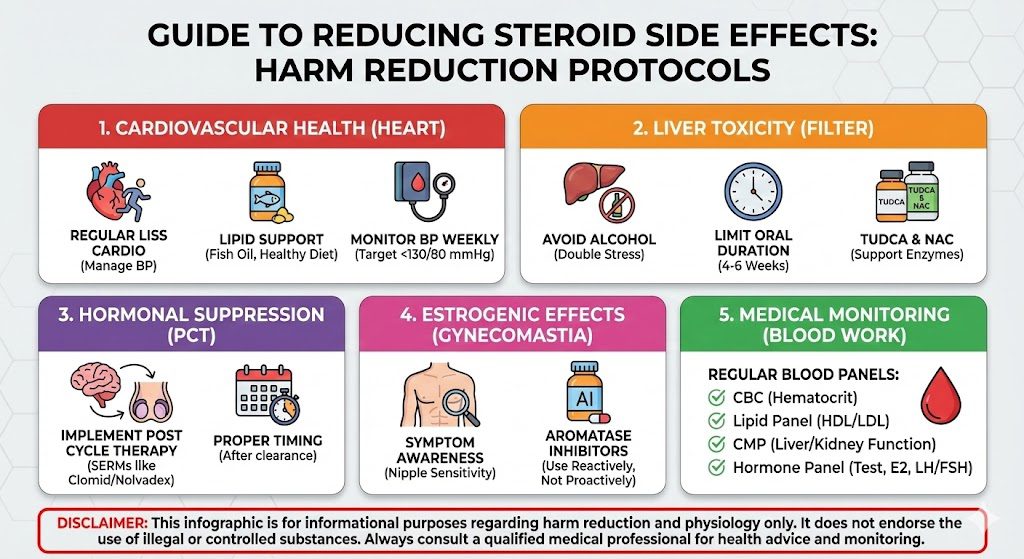
Infographic guide titled "Guide to Reducing Steroid Side Effects," detailing protocols for cardiovascular health, liver toxicity, and hormonal suppression.

How to Reduce Steroid Side Effects

The medical reality of anabolic steroid use is that side effects are not merely a possibility; they are a physiological certainty. When you introduce supraphysiological levels of hormones into the body, you disrupt homeostatic balance.

While complete safety is impossible with non-medical use, harm reduction protocols can significantly mitigate specific risks. This guide focuses on the “Big Three” areas of concern: Cardiovascular health, Liver toxicity, and Hormonal suppression.

Guide to Reducing Steroid Side Effects infographic focusing on cardiovascular, liver, and hormonal health.

1. Cardiovascular Health: The Silent Killer

Cardiovascular strain is the leading cause of premature mortality in steroid users. AAS use can cause left ventricular hypertrophy (thickening of the heart), hypertension, and dyslipidemia (poor cholesterol levels).

Management Strategies

  • Cardio is Non-Negotiable: Regular low-intensity steady-state (LISS) cardio is essential to manage blood pressure and offset the arterial stiffening caused by androgens.
  • Lipid Management: Steroids—especially oral variants—drastically lower HDL (“good” cholesterol) and raise LDL (“bad” cholesterol). To combat this:
  • Supplement with high-dose Fish Oil (3–4g daily) to support lipid profiles.
  • Minimize saturated fats and increase fiber intake.
  • Blood Pressure Monitoring: High blood pressure (hypertension) is a “silent killer” because it often has no symptoms until damage is done. Users should own a home blood pressure cuff and monitor weekly. If readings consistently exceed 130/80 mmHg, medical intervention may be necessary.

2. Liver Toxicity: Protecting the Filter

Oral steroids (like Dianabol or Anadrol) are C-17 alpha-alkylated, a chemical modification that allows them to survive digestion but makes them highly hepatotoxic (toxic to the liver).

Harm Reduction Protocols

  • Avoid Alcohol: Combining alcohol with oral steroids places a “double stress” on the liver that can accelerate damage.
  • Cycle Duration: Oral compounds are typically limited to short durations (e.g., 4–6 weeks) to allow liver enzymes to normalize.
  • Liver Support Supplements:
  • TUDCA (Tauroursodeoxycholic Acid): Clinically shown to improve bile flow and reduce liver enzymes. It is considered the gold standard for on-cycle liver support.
  • NAC (N-Acetyl Cysteine): A precursor to glutathione, the body’s master antioxidant, which helps protect the liver from oxidative stress.

3. Hormonal Suppression and PCT

All anabolic steroids suppress the body’s natural production of testosterone. Once a cycle ends, the body is left in a hypogonadal state (low testosterone), which can lead to muscle loss, depression, and sexual dysfunction.

The Role of Post Cycle Therapy (PCT)

“PCT” refers to a protocol of medication used to restart natural hormone production.

  • SERMs (Selective Estrogen Receptor Modulators): Drugs like Clomiphene (Clomid) or Tamoxifen (Nolvadex) are used to stimulate the pituitary gland to release LH and FSH, signaling the testes to produce testosterone again.
  • Timing: PCT must begin only after the exogenous steroids have cleared the system. Starting too early renders the therapy ineffective.

4. Estrogenic Side Effects: Gynecomastia

Many steroids convert into estrogen (aromatize). Excess estrogen can lead to gynecomastia—the development of breast tissue in men.

Control Mechanisms

  • Aromatase Inhibitors (AIs): Medications like Anastrozole block the conversion of testosterone to estrogen. However, crashing estrogen too low is dangerous, as estrogen is neuroprotective and vital for joint health and libido. AIs are typically used reactively (only when symptoms appear) rather than proactively.
  • Symptom Awareness: Early signs include sensitivity or “spiciness” in the nipples. Ignoring these signs can lead to permanent tissue growth that requires surgery.

Muscular male torso representing outward physique vs internal health monitoring.

5. Medical Monitoring

The single most effective way to reduce side effects is regular blood work. Guessing based on “how you feel” is dangerous because parameters like cholesterol, liver enzymes, and hematocrit (blood thickness) can be critically dangerous without physical symptoms.

Essential Blood Markers to Watch:

  • CBC (Complete Blood Count): Specifically Hematocrit. If blood becomes too thick, the risk of stroke increases.
  • Lipid Panel: HDL/LDL ratios.
  • CMP (Comprehensive Metabolic Panel): Kidney (eGFR) and Liver (ALT/AST) function.
  • Hormone Panel: Total Testosterone, Free Testosterone, Estradiol (E2), LH, and FSH.

Conclusion

Reducing steroid side effects is not about “tricking” the body; it is about damage control. By prioritizing cardiovascular health, using targeted organ support like TUDCA, and adhering to strict PCT protocols, users can mitigate—but never fully eliminate—the risks associated with AAS use.

Bodybuilder in white tank top administering an intramuscular injection into the chest pectoral muscle.

What Anabolics are used for Muscle Gain

For decades, Anabolic-Androgenic Steroids (AAS) have been a subject of intense curiosity and debate. While frequently discussed in gym locker rooms, the actual science behind what these compounds are and how they influence muscle hypertrophy is often obscured by bro-science and misinformation.

To truly understand anabolics, one must move past the slang and look at the pharmacology. This guide breaks down the primary compounds historically used for muscle gain, explaining their mechanisms of action and the physiological reality of their use.

The Foundation: Testosterone

In both medical and performance contexts, Testosterone is the baseline. It is the primary male sex hormone, and all other anabolic steroids are essentially synthetic derivatives of it.

When used for muscle gain, testosterone is typically administered via injection in esterified forms (such as Enanthate, Cypionate, or Propionate). These esters determine how quickly the hormone is released into the bloodstream.

  • How it works: Testosterone binds to androgen receptors in muscle tissue, signaling the body to increase protein synthesis and nitrogen retention. Nitrogen is a key component of amino acids (the building blocks of protein); a positive nitrogen balance creates an environment conducive to muscle growth.
  • The Role in “Cycles”: In almost all performance-enhancing protocols, testosterone is used as the “base” to replace the natural production that inevitably shuts down when exogenous hormones are introduced.

Bodybuilder administering an intramuscular injection into the chest muscle.

The “Mass Builders”: 19-Nortestosterone Derivatives

This class of steroids is derived by altering the testosterone molecule at the 19th carbon position. These compounds are known for their potent anabolic (muscle-building) properties relative to their androgenic (masculinizing) effects.

1. Nandrolone (Deca-Durabolin)

Nandrolone is one of the most widely used anabolics in history.

  • Primary Use: Favored for off-season “bulking” phases. Beyond muscle hypertrophy, it is clinically noted for increasing bone mineral density and collagen synthesis, which some users report provides relief to achy joints during heavy training.
  • The Trade-off: Known for long detection times and significant suppression of the HPTA (Hypothalamic-Pituitary-Testicular Axis), leading to difficult recovery of natural hormones post-use.

2. Trenbolone

Originally developed for veterinary use (to increase feed efficiency in cattle), Trenbolone is considered one of the most powerful anabolics in existence.

  • Primary Use: Unlike Nandrolone, Trenbolone does not convert to estrogen (aromatize), meaning it produces dry, hard muscle gains without water retention.
  • Safety Context: Its potency comes with significant risk. Trenbolone is frequently associated with severe side effects, including cardiovascular strain, sleep disturbances, and acute anxiety. It represents the extreme end of the risk-reward spectrum.

The DHT Derivatives: Hardening and Strength

Derived from Dihydrotestosterone (DHT), these compounds are often used when “dry” gains and strength are prioritized over raw mass.

1. Drostanolone (Masteron)

  • Primary Use: Historically used in breast cancer treatment, Masteron is now associated with cutting phases. It has mild anti-estrogenic properties and is used to provide a harder look to the physique. It is generally not used for adding significant mass but for preserving it while dieting.

2. Primobolan (Methenolone)

  • Primary Use: Known as a relatively “gentle” steroid, Primobolan is favored for its safety profile compared to many other compounds. It promotes slow, steady nitrogen retention without heavy water weight. Often cited in lean bulk cycles where tissue quality is preferred over quantity.

Anabolic comparison chart showing muscle growth effects and health risks.

The Orals: Rapid Onset and Liver Strain

Oral anabolic steroids are structurally modified (C-17 alpha-alkylated) to survive liver metabolism. This allows oral administration but introduces significant hepatotoxicity (liver stress).

1. Methandienone (Dianabol)

  • Context: Arguably the most famous oral steroid, popularized in the Golden Era of bodybuilding.
  • Effect: Produces rapid increases in weight and strength, largely driven by glycogen loading and water retention. Typically used as a “kickstarter” at the beginning of a cycle while waiting for slower-acting injectables to take effect.

2. Oxymetholone (Anadrol)

  • Context: Originally developed to treat anemia.
  • Effect: Dramatically increases red blood cell count, improving muscular endurance and creating intense pumps during training. Among the most potent orals for raw size, but carries high risk of blood pressure spikes and liver damage.

The Mechanism: Why Do They Work?

Regardless of compound, anabolic steroids generally facilitate muscle gain through three primary mechanisms:

  1. Increased Protein Synthesis: Enhance the rate at which cells build proteins, allowing muscles to repair and grow faster than natural physiology permits.
  2. Nitrogen Retention: Prevent catabolic nitrogen loss, keeping the body in an anabolic state even during calorie deficits or intense training.
  3. Red Blood Cell Production: Stimulate erythropoiesis, increasing oxygen-carrying capacity and delaying fatigue.

Health Risks

Discussing anabolics without acknowledging risk presents an incomplete and dangerous picture. Any responsible discussion must recognize the biological debt incurred by use.

  • Hormonal Suppression: All anabolic use signals the body to stop producing its own testosterone. Without proper Post Cycle Therapy, this can lead to long-term hypogonadism.
  • Cardiovascular Strain: Strongly linked to left ventricular hypertrophy, hypertension, and adverse lipid profiles (low HDL, high LDL).
  • Psychological Effects: Hormonal fluctuations can contribute to mood swings, aggression, or depression, particularly during withdrawal.

Conclusion

The landscape of anabolics ranges from relatively mild compounds like Primobolan to harsh agents like Trenbolone. While undeniably effective at increasing muscle mass beyond natural limits, they are not magic. They are powerful pharmaceuticals with systemic effects that extend far beyond aesthetics.

For most individuals, the long-term health risks—particularly cardiovascular and hormonal damage—far outweigh the temporary benefits of accelerated muscle gain. True expertise lies not only in understanding how these drugs work, but in recognizing the severity of their consequences.

Product has been added to your cart
Compare (0)