

100% Secure Checkout Secure
Third-Party HPLC Tested HPLC Tested
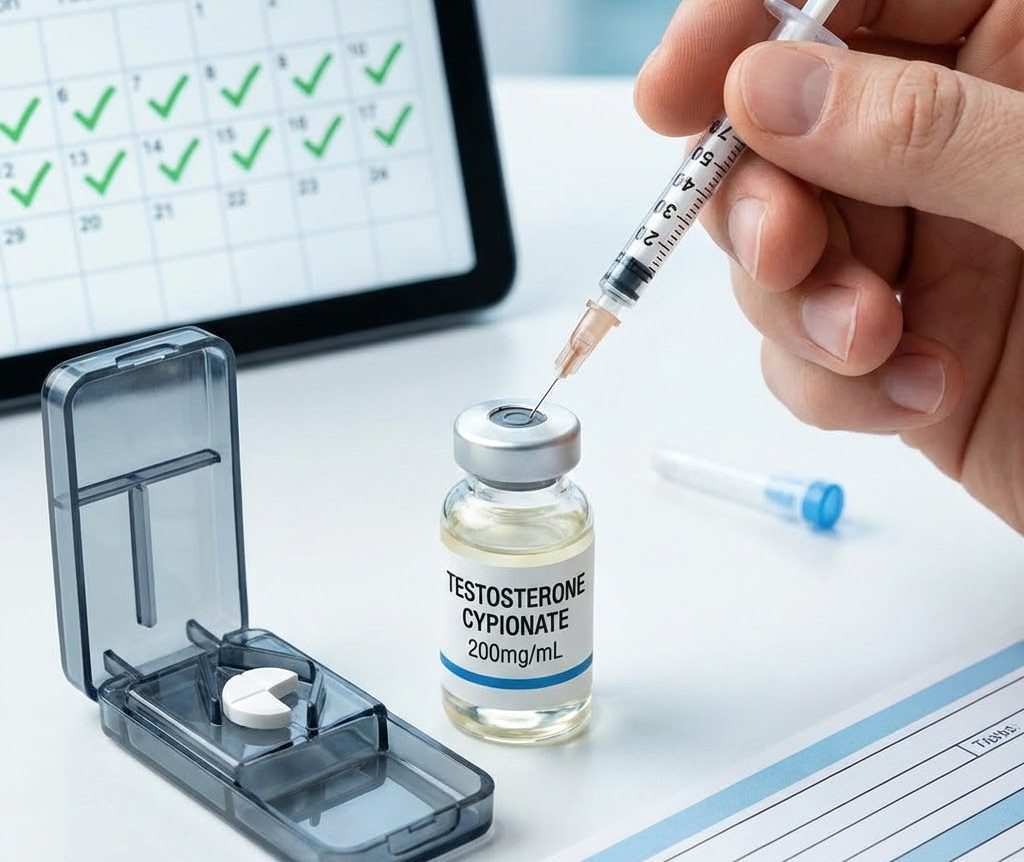
Close-up of a person drawing Testosterone Cypionate into a syringe next to a calendar with daily checkmarks and a pill organizer.

Can You Microdose Steroids?

In the modern era of performance enhancement, the conversation has shifted. The days of “more is better”—characterized by the mass monsters of the 90s and aggressive megadosing—are increasingly being replaced by the biohacker’s philosophy: “minimum effective dose.” This shift has popularized the concept of microdosing across various substances, from psychedelics to nootropics. Naturally, this trend has bled into the world of anabolic-androgenic steroids (AAS).

The question “Can you microdose steroids?” is common among fitness enthusiasts seeking a slight edge without the aggressive side effects of a full “blast.” However, the answer is complex. Unlike microdosing psilocybin, where the goal is a sub-perceptual effect, microdosing hormones interacts with a rigid biological feedback loop that changes the rules of the game.

This article explores the physiological reality of low-dose steroid use, distinguishing between effective hormone management and biological counter-productivity.

Close-up of a person drawing Testosterone Cypionate into a syringe next to a calendar with daily checkmarks and a pill organizer.
Daily micro-injections require a disciplined schedule to maintain stable blood plasma levels.

Defining “Microdosing” in the Context of Hormones

To understand if you can microdose steroids, we must first define what that means in an endocrinological context.

In the world of psychedelics, a microdose is typically 1/10th of a recreational dose—enough to stimulate neural pathways without causing hallucinations. In the world of anabolic steroids, the term is used loosely to describe two very different protocols:

  1. Low-Dose Administration: Taking a very small total amount of a drug (e.g., 5mg of Dianabol) to get a slight acute boost.
  2. High-Frequency Administration: Taking a standard dose (e.g., 150mg of Testosterone per week) but splitting it into tiny, daily injections (micro-injections) to achieve perfectly stable blood levels.

The efficacy of “microdosing” depends entirely on which of these two definitions you are applying and whether you are male or female.

The Biological Barrier: The HPTA Feedback Loop

The primary argument against “microdosing” steroids (in the sense of taking tiny total amounts) is the Hypothalamic-Pituitary-Testicular Axis (HPTA).

The male body produces testosterone naturally—typically between 3mg and 10mg per day, depending on genetics and age. This production is regulated by a negative feedback loop. When your brain detects any exogenous (external) androgen in the bloodstream, it signals the testes to stop producing natural testosterone.

This creates a “threshold problem.” If a man decides to “microdose” testosterone by taking 50mg per week (approx. 7mg per day), he is essentially shutting down his natural production of ~7mg/day to replace it with… 7mg/day of synthetic testosterone.

In this scenario, the user gains zero anabolic advantage. In fact, due to the weight of the ester (the chemical attached to the testosterone), 50mg of synthetic testosterone might yield less active hormone than his body was producing naturally. The result is “chemical castration” without the benefits: shut down natural production, potential testicular atrophy, and no performance enhancement to show for it.

The Verdict: For men, you cannot “microdose” steroids in the sub-physiological sense. You must at least meet your body’s natural requirements (replacement) before you see any benefit.

The Valid Approach: Frequency Microdosing (Daily Injections)

While taking tiny amounts is often futile for men, frequency microdosing is a highly effective, scientifically supported protocol. This involves taking a standard TRT (Testosterone Replacement Therapy) or “Sports TRT” dose and dividing it into daily subcutaneous administrations using an insulin needle.

Why Microdose Frequency? Standard protocols might call for one large 200mg injection per week. This causes a massive spike in hormone levels within 24 hours (supraphysiological), followed by a steady decline to low levels (sub-physiological) by day 7.

  • The Spike: High peaks lead to higher conversion into Estrogen (aromatization), causing acne, water retention, and mood swings.
  • The Trough: Low valleys lead to fatigue and irritability before the next shot.

By microdosing that same 200mg into roughly 28mg per day:

  1. Stable Levels: You mimic the body’s natural daily pulsatile release.
  2. Reduced Side Effects: You avoid the massive peaks that trigger excessive estrogen conversion, often eliminating the need for an Aromatase Inhibitor (AI).
  3. Hematocrit Management: Smaller, frequent doses place less stress on the blood, preventing the thickening of blood (high hematocrit) often seen with large bolus injections.

In this context, “microdosing” is not about taking less drug; it is about taking the drug smarter.

Microdosing for Women: A Different Reality

While microdosing is biologically tricky for men due to the replacement threshold, it is the standard and safest method for female athletes.

Women are incredibly sensitive to androgens. A dose that would do nothing for a man can completely transform a female physique. For women, “microdosing” is not a hack; it is a necessity to avoid virilization (development of male characteristics like voice deepening and hair growth).

  • Anavar (Oxandrolone): A standard male dose might be 50mg/day. A “microdose” of 2.5mg to 5mg/day for a woman is highly effective for muscle retention and fat loss with minimal risk.
  • Primobolan: Micro-doses of injectable Primobolan are often used by female competitors to build lean tissue slowly.

For women, the line between “microdosing” and a “full cycle” is often just a few milligrams.

Orals and Pre-Workout Microdosing

Another form of microdosing popular in the biohacking community involves the use of short-acting oral steroids or nootropic-like androgens solely on training days.

1. Dianabol or Anadrol: Some powerlifters “microdose” 10mg of Dianabol only on heavy squat days (pre-workout).

  • The Goal: To utilize the acute non-genomic effects of the steroid—immediate aggression, neurological drive, and increased glycogen availability—without maintaining high chronic blood levels.
  • The Reality: While this can provide a temporary strength boost, it still stresses the liver and can confuse the HPTA axis, leading to hormonal fluctuations that may cause libido issues or mood instability.

2. Proviron (Mesterolone): Proviron is unique. It is an oral androgen that doesn’t suppress testosterone as heavily as others. Some men “microdose” 25mg/day to lower SHBG (Sex Hormone Binding Globulin), thereby “freeing up” their natural testosterone to be more effective. This is one of the few instances where adding a small amount of an exogenous compound can enhance the body’s natural state without fully replacing it.

The “Sports TRT” Phenomenon

A major confusion in the “microdosing” discussion is the concept of “Sports TRT.”

  • True TRT: 100mg – 150mg Test/week. (Puts you in the normal human range: 500-900 ng/dL).
  • Sports TRT: 200mg – 250mg Test/week. (Puts you slightly above normal: 1200-1500 ng/dL).
  • The Blast: 500mg+ Test/week.

Many athletes claim they are “microdosing” when they are actually running “Sports TRT.” They maintain slightly supraphysiological levels year-round. The Benefit: This approach allows for slow, steady muscle accrual that is easier to keep long-term compared to the “blow up and deflate” cycle of traditional blasting. The Risk: Even though the dose is low, you are essentially on a permanent cycle. The long-term risks to cholesterol, heart health, and prostate health are lower than a blast, but higher than being natural.

The Risks of Microdosing Steroids

If you decide to experiment with low-dose AAS, you must understand the specific risks involved. It is not necessarily “safer” just because the dose is low.

1. The “Limbo” State: Taking a dose that is too low can leave you with testosterone levels lower than when you started.

2. Fertility Issues: Even small doses of exogenous testosterone can reduce sperm count to zero.

3. False Security: Users may skip blood work because “it’s only a small dose,” even though individual responses vary widely.

Infographic titled Can You Microdose Steroids comparing sub-physiological dosing vs frequency microdosing.
A visual breakdown of the difference between ineffective low dosing and optimized frequency microdosing.

Conclusion: Is It Worth It?

Can you microdose steroids?

  • If you mean taking tiny amounts to get a boost without shutdown: Generally, No. The biology of the HPTA axis makes this counterproductive for men.
  • If you mean optimizing injection frequency: Yes. Daily micro-injections of therapeutic doses provide the most stable hormone levels.
  • If you are a woman: Yes. Microdosing is the safest way to use these compounds.

Ultimately, the concept of microdosing steroids is often a rebranding of Testosterone Replacement Therapy. For the healthy natural male with optimized hormones, introducing “micro” amounts of steroids offers a high risk of shutdown for a negligible reward. The most effective “microdose” for the average gym-goer remains a dialed-in diet, optimized sleep, and targeted supplementation like Creatine and Vitamin D.

Split-screen illustration showing a shelf with steroid vials labeled "Cool & Dark (Oils, Orals)" on the left, and an open mini-fridge with peptide vials labeled "Refrigerate (Peptides, HGH)" on the right, separated by warning icons for heat and light.

How To Store Steroids Properly

For any athlete or bodybuilder who has invested in performance-enhancing compounds, the procurement process is often seen as the hardest hurdle. Whether sourcing from a doctor for Hormone Replacement Therapy (HRT) or navigating the domestic market for performance needs, once the vials and blister packs arrive, a new challenge begins: preservation.

Proper storage is not merely about organization; it is a critical component of harm reduction and cycle efficacy. Anabolic steroids, peptides, and ancillary medications are chemical compounds susceptible to degradation. If mishandled, they can lose potency, causing your calculated dosages to become ineffective. Worse, improper storage can compromise the sterility of injectable products, leading to dangerous bacterial growth, abscesses, or systemic infections.

This comprehensive guide explores the science of storage, breaking down how to protect your investment against the four primary enemies of chemical stability: temperature, light, moisture, and contamination.

Split-screen illustration showing a shelf with steroid vials labeled Cool & Dark (Oils, Orals) on the left, and an open mini-fridge with peptide vials labeled Refrigerate (Peptides, HGH) on the right, separated by warning icons for heat and light.
Visual comparison distinguishing the room-temperature storage required for anabolic steroids versus the cold-chain storage required for fragile peptides.

The Four Enemies of Stability

To understand how to store these compounds, one must first understand what destroys them. Regardless of the specific drug—whether it is an oil-based injectable like Testosterone Enanthate or a fragile peptide like HGH—degradation occurs through chemical reactions triggered by the environment.

  1. Heat: Excessive heat increases the kinetic energy of molecules, accelerating chemical breakdown. For proteins (like HGH), heat can cause denaturation, permanently destroying the molecule’s shape and function. For oils, it can lead to oxidation.
  2. Light (UV Radiation): Ultraviolet light is a catalyst for photo-oxidation. Direct sunlight can break the chemical bonds within the steroid hormone, rendering it inert. This is why pharmaceutical-grade injectables almost always come in amber-coloured glass vials—to filter out UV rays.
  3. Moisture (Humidity): For oral tablets and capsules, moisture is the enemy. It can cause pills to crumble or dissolve prematurely. For injectables, humidity is a sterility risk; moisture promotes the growth of bacteria and mold on rubber stoppers and in storage containers.
  4. Oxygen: Oxidation is a slow process that turns potent compounds into useless byproducts. Ensuring airtight seals is critical for long-term storage.

Storing Injectable Anabolic Steroids (Oil-Based)

Oil-based steroids—such as Testosterone Cypionate, Trenbolone, and Deca-Durabolin—are the most resilient category of performance enhancers. The hormone is suspended in a carrier oil and typically preserved with benzyl alcohol and benzyl benzoate. This chemical environment is hostile to bacteria and stable at room temperature.

The Ideal Environment: Store oil-based injectables in a cool, dark, and dry place. A bedroom closet, a high shelf in a pantry, or a dedicated lockbox are ideal locations. The temperature should remain relatively stable, ideally between 15°C to 25°C (59°F to 77°F).

The Fridge Myth: Do not store oil-based steroids in the refrigerator. Cold temperatures increase the viscosity of the carrier oil, making it thick and difficult to draw into a syringe. Low temperatures can also cause the hormone to crystallize.

Dealing with “Crashed” Gear: “Crashing” occurs when the hormone separates from the oil and forms visible crystals at the bottom of the vial.

  • Is it ruined? No. Crystallized gear is safe to use once fixed.
  • The Fix: Create a warm water bath. Boil water, remove it from the heat, and let it cool slightly until hot but not boiling. Place the vial in the water (below the rubber stopper) for 10–15 minutes and swirl gently.

Storing Water-Based Injectables

Water-based suspensions such as Winstrol Depot or Testosterone Suspension are more fragile than oil-based compounds and are more susceptible to bacterial growth.

Storage Protocol:

  • Temperature: These can tolerate refrigeration and some users prefer it to inhibit bacterial growth, though cool room temperature is acceptable.
  • Agitation: Powder will settle at the bottom during storage. This is normal.
  • Risk Factor: If storing for several months, inspect carefully before use. Cloudiness or organic-looking particles may indicate contamination.

The Cold Chain: Peptides and HGH

Human Growth Hormone (HGH) and peptides such as BPC-157, TB-500, and Melanotan II are delicate amino acid chains held together by peptide bonds that can easily break from heat or shaking.

Lyophilized (Powder) State:

  • Short-term: Can remain at room temperature in a dark place for 1–2 months.
  • Long-term: Store in the refrigerator between 2°C and 8°C. Freezing is acceptable for very long-term storage if sealed properly.

Reconstituted (Liquid) State:

  • The Golden Rule: Must be refrigerated at all times.
  • Shelf Life: Typically 14–28 days.
  • Fragility: Never freeze or shake the vial. Gently swirl instead.

Storing Oral Steroids

Oral compounds such as Anavar, Dianabol, Anadrol, and Clenbuterol are relatively stable.

The Bathroom Mistake: Bathrooms experience frequent humidity and temperature fluctuations which degrade tablets.

Best Practices:

  • Desiccants: Keep silica packets inside the bottle.
  • Location: Store in a drawer or cupboard away from heat sources.
  • Loose Pills: Transfer loose tablets to airtight containers.

Safety, Security, and Stealth

Proper storage also involves responsible ownership.

Child and Pet Safety:

  • The Protocol: Use a lockbox or store on a high inaccessible shelf.

Discretion:

  • Hiding Spots: Empty supplement containers can serve as discreet storage.
  • The Fridge: Store peptides in opaque containers if using a shared refrigerator.

Expiration Dates

Pharmaceutical products typically have expiration dates 2–3 years after manufacture.

  • The Reality: Expiration dates indicate guaranteed potency rather than immediate safety concerns.
  • Underground Labs: Assume approximately 2 years for oils and 1 year for water-based compounds.
  • Carrier Oil Rancidity: If the oil smells foul or rancid, discard it.
Infographic titled How To Store Performance Compounds Properly showing cool dark storage for oils and orals and refrigerated storage for peptides and HGH.
A quick reference guide summarizing optimal storage conditions.

Summary Checklist for Storage

  1. Oils: Room temperature, dark, dry. Do not refrigerate.
  2. Orals: Airtight container away from humidity.
  3. Peptides/HGH (Powder): Cool dark place or refrigerator.
  4. Peptides/HGH (Liquid): Refrigerate and use within four weeks.
  5. Ancillaries: Store like oral tablets.
  6. Syringes/Needles: Keep sealed until use.

Conclusion

The efficacy of a cycle begins with how compounds are stored. Protecting them from heat, light, moisture, and contamination ensures that each dose remains potent and sterile.

Product has been added to your cart
Compare (0)